



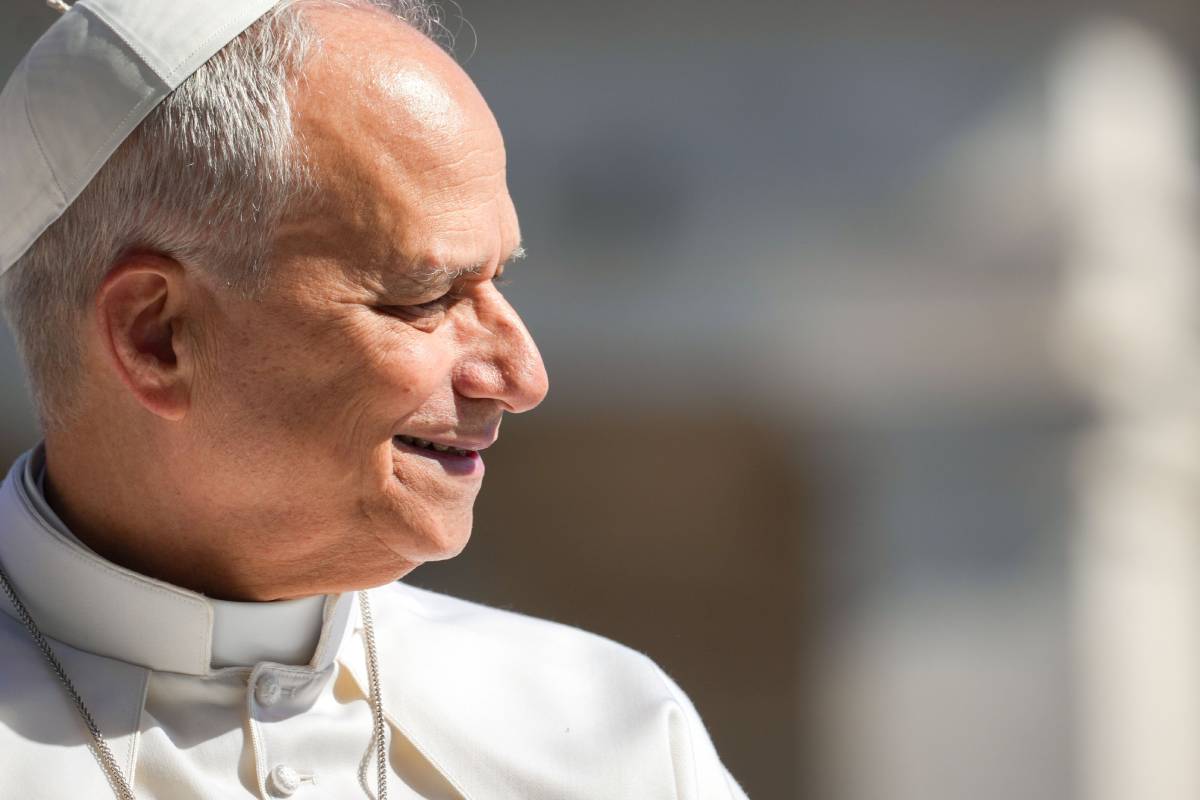
The Vatican has issued a major doctrinal warning calling for the “disarmament” of artificial intelligence, framing AI as a potential systemic risk to human dignity, ethics, and social stability. The intervention underscores growing global concern over unchecked AI development and signals increasing moral scrutiny of advanced technologies by influential global institutions.
In a newly released Vatican document, Pope Leo emphasizes the need for international governance and ethical restraint in AI development. The statement calls for safeguards against misuse, including autonomous decision-making systems and large-scale surveillance applications.
The document urges governments, corporations, and researchers to prioritize human oversight in AI deployment. It highlights risks ranging from misinformation amplification to labor displacement and autonomous weapons systems. The Vatican positions AI governance as a shared global responsibility, advocating for coordinated regulatory frameworks rather than fragmented national approaches.
The message arrives as AI adoption accelerates across industries including defense, healthcare, finance, and digital infrastructure. The Vatican’s stance reflects a broader global debate over how to regulate rapidly advancing artificial intelligence technologies. As generative AI and autonomous systems become increasingly embedded in economic and security frameworks, concerns over ethics, accountability, and control have intensified.
Historically, the Catholic Church has engaged with technological revolutions through moral frameworks addressing industrialization, biotechnology, and digital transformation. This latest intervention extends that tradition into the AI era.
Globally, governments are already exploring regulatory models for AI governance, including risk-tier classification systems and safety standards. However, regulatory fragmentation remains a key challenge, with different regions pursuing divergent approaches. The Vatican’s call for “disarmament” adds a moral and geopolitical dimension to an already complex policy landscape shaped by competition, innovation pressure, and security concerns.
Ethicists argue that the Vatican’s intervention reflects increasing alignment between religious institutions and secular AI governance debates, particularly around issues of autonomy and human accountability. Some researchers note that moral framing can influence public perception and policy urgency, even without direct regulatory authority.
Technology policy analysts highlight that AI risks are increasingly being treated as systemic rather than sector-specific, particularly in areas such as defense automation and synthetic media. Industry observers suggest that while companies acknowledge ethical risks, commercial incentives continue to drive rapid deployment.
From a governance perspective, experts emphasize that global coordination remains difficult due to geopolitical competition in AI leadership. The Vatican’s statement is therefore seen as part of a wider ecosystem of normative pressure, alongside governments, NGOs, and multilateral institutions seeking to shape AI development trajectories.
For businesses, particularly in AI development and deployment, the Vatican’s call adds to growing pressure for transparent governance frameworks and ethical compliance standards. Companies may face increased scrutiny from regulators and civil society regarding AI safety, data use, and automation impacts.
For policymakers, the statement reinforces the urgency of establishing international coordination mechanisms for AI oversight. Investors may also begin factoring regulatory and reputational risk more heavily into AI sector valuations. For consumers and labor markets, the broader debate highlights ongoing uncertainty around automation, job displacement, and algorithmic decision-making in critical systems.
AI governance is expected to become an increasingly multi-stakeholder domain, involving governments, corporations, and institutional voices such as religious and ethical bodies. The Vatican’s intervention may accelerate discussions around global AI standards, though enforcement remains uncertain. The key question moving forward is whether ethical consensus can translate into binding international regulatory frameworks before AI capabilities advance further.
Source: NCR Online
Date: 2026-05-25


