



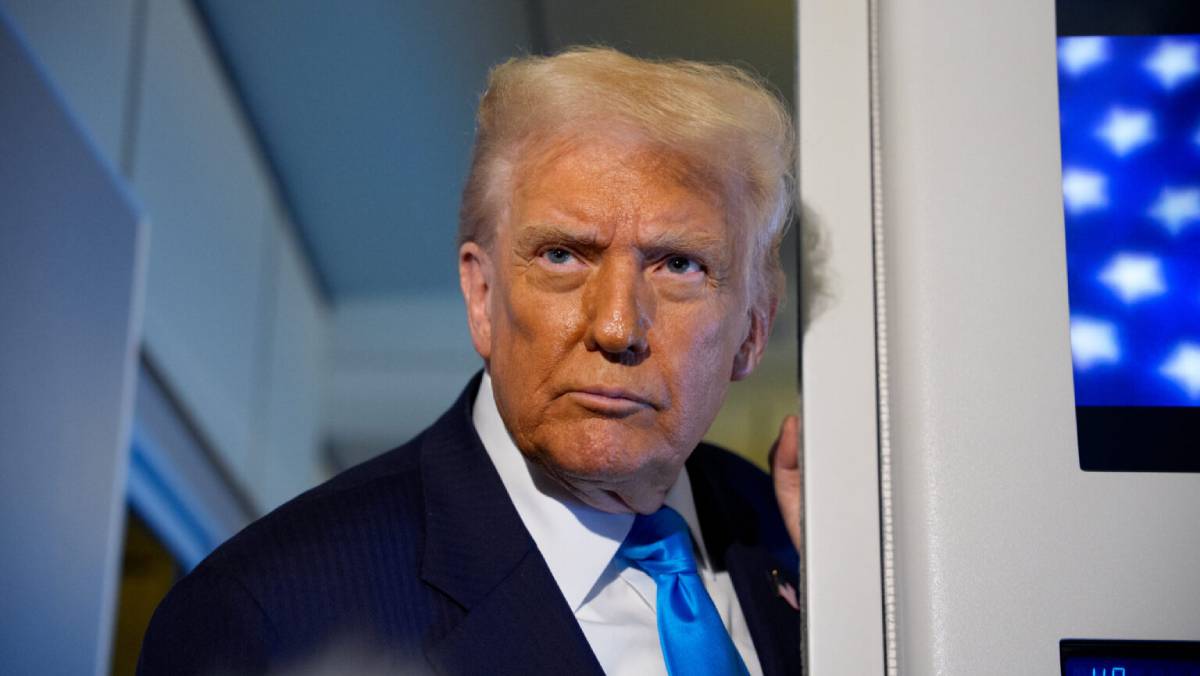
A major development unfolded in the U.S. artificial intelligence policy landscape as a presidential memorandum under the Trump administration seeks to strengthen oversight of AI systems and prevent high-risk governance failures. The directive reflects growing concerns over regulatory gaps in advanced model deployment, signaling a strategic shift in national AI governance with implications for defense, technology firms, and global regulatory alignment.
The memorandum reportedly focuses on strengthening federal oversight mechanisms for artificial intelligence development and deployment, with particular emphasis on avoiding governance failures associated with past AI safety and commercialization challenges. The policy aims to establish clearer guardrails for high-impact AI systems used in critical sectors such as defense, infrastructure, and national security.
Key stakeholders include federal agencies, defense contractors, major AI developers, and regulatory bodies tasked with implementing compliance frameworks. The directive highlights concerns about fragmented oversight and inconsistent standards across AI applications.
The policy move comes at a time when global governments are accelerating efforts to regulate advanced AI systems, particularly as models become more capable and widely integrated into sensitive operational environments.
The development aligns with a broader global trend where governments are increasingly treating artificial intelligence as a strategic national security asset. Over the past few years, rapid advancements in generative AI have outpaced regulatory frameworks, prompting concerns about safety, reliability, and systemic risk.
Previous incidents involving AI model deployment challenges and governance controversies have highlighted the need for stronger oversight mechanisms. Policymakers have increasingly focused on preventing misalignment between commercial incentives and public safety requirements.
Geopolitically, AI has become a central arena of competition between major powers, particularly the United States and China. Both nations are investing heavily in AI capabilities while simultaneously developing regulatory structures to manage associated risks.
Historically, technology regulation has often lagged behind innovation cycles. The current policy shift reflects an attempt to proactively shape AI governance before large-scale systemic failures occur, rather than reacting after widespread deployment.
Policy analysts suggest that the memorandum reflects growing recognition within government circles that AI systems require structured oversight comparable to other high-risk technologies such as aviation, nuclear energy, and pharmaceuticals.
Security experts argue that without standardized evaluation frameworks, advanced AI systems could introduce unpredictable risks in defense and critical infrastructure applications. They emphasize the importance of auditability, transparency, and controlled deployment environments.
Industry observers note that technology companies may face increased compliance obligations, particularly around model evaluation, safety testing, and deployment approvals. While some firms support clearer regulatory guidelines, others caution that overly restrictive frameworks could slow innovation and reduce global competitiveness.
Governance specialists highlight that coordination between federal agencies will be essential to avoid fragmented enforcement and ensure consistent policy implementation across sectors.
For businesses, the memorandum signals a potential increase in regulatory compliance requirements for AI development and deployment, particularly for companies operating in defense, cloud computing, and large-scale model training.
For investors, the shift introduces both risk and clarity. While regulatory tightening may increase operational costs, it could also reduce systemic uncertainty by establishing standardized rules for AI deployment.
For policymakers, the directive underscores the urgency of building cohesive governance frameworks that balance innovation with national security considerations. International coordination may also become increasingly important as AI systems cross borders through cloud infrastructure.
Analysts warn that companies may need to reassess development timelines, safety protocols, and market strategies in response to evolving regulatory expectations. The next phase will focus on implementation across federal agencies and the development of detailed compliance standards for AI systems. Decision-makers should monitor regulatory guidance, industry responses, and potential legal challenges.
While the memorandum represents a significant step toward structured AI governance, uncertainties remain around enforcement scope, international alignment, and the balance between innovation and regulation. The evolution of these frameworks will shape the future trajectory of advanced AI deployment.
Source: Breaking Defense
Date: June 2026


