
US Senate Scrutinizes Nvidia China Strategy

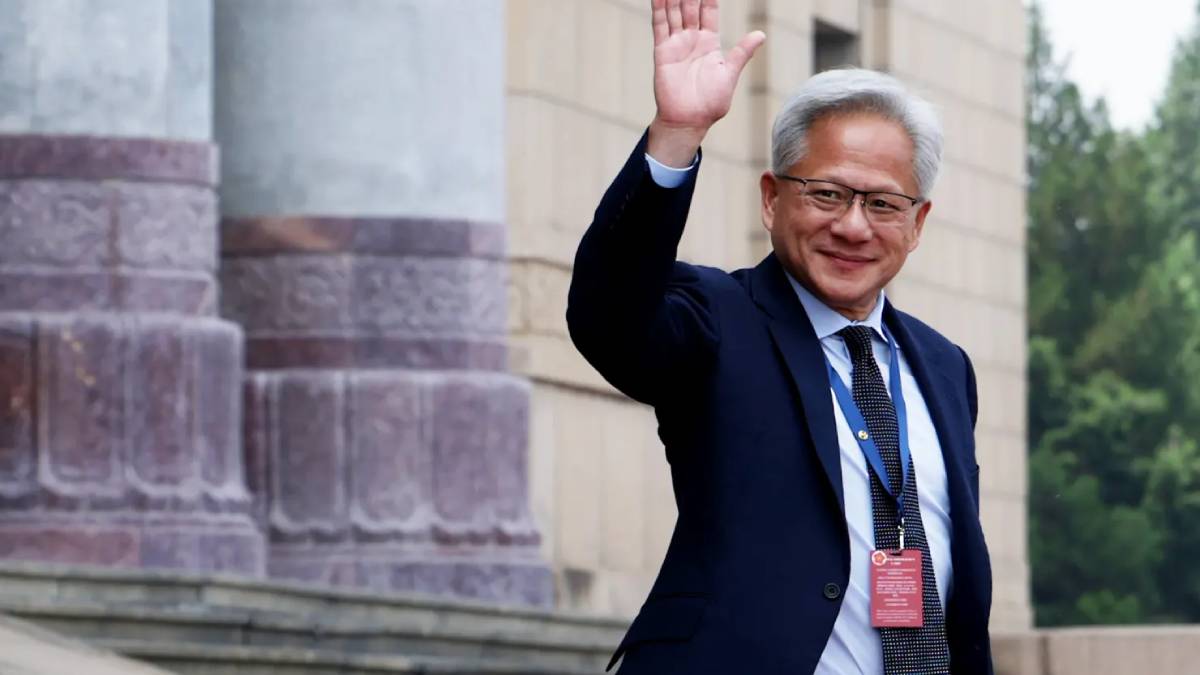
Senator Warren has called on Nvidia chief Jensen Huang to appear before lawmakers to discuss the company’s business activities involving AI chip sales to China.

June 5, 2026
|
Image Source: CNBC

A major development unfolded in Washington as Senator Elizabeth Warren invited Nvidia CEO Jensen Huang to testify before a Senate hearing examining AI chip sales to China. The move underscores growing concerns over national security, technology competition, and export controls, signaling a critical moment for the global semiconductor industry and policymakers navigating the intensifying US-China AI race.

Senator Warren has called on Nvidia chief Jensen Huang to appear before lawmakers to discuss the company’s business activities involving AI chip sales to China. The proposed hearing comes amid heightened scrutiny of advanced semiconductor exports and concerns that cutting-edge AI hardware could strengthen China’s technological and military capabilities.

Nvidia has become one of the most influential players in the global AI ecosystem, with its processors powering data centers, cloud infrastructure, and generative AI applications worldwide. The Senate inquiry reflects broader efforts by US policymakers to assess whether existing export restrictions are sufficient and how companies are adapting to evolving regulations governing advanced technology transfers.

The development aligns with a broader trend across global markets where governments are increasingly treating advanced semiconductors as strategic assets rather than purely commercial products. AI chips have become central to economic competitiveness, national security, and technological leadership, placing semiconductor companies at the heart of geopolitical tensions.

Over the past several years, Washington has introduced multiple rounds of export controls designed to limit China’s access to the most advanced computing technologies. These measures have targeted high-performance processors, AI accelerators, and semiconductor manufacturing equipment. In response, technology firms have developed modified products designed to comply with regulatory requirements while maintaining access to the Chinese market.

China remains one of the world's largest technology markets, making access to its customers financially significant for global chipmakers. The resulting tension between commercial opportunity and national security objectives continues to shape policy debates across governments and boardrooms alike.

Supporters of tighter export controls argue that advanced AI chips could accelerate China's progress in areas ranging from artificial intelligence research to military modernization. Policymakers advocating stronger restrictions maintain that protecting technological leadership requires careful oversight of semiconductor exports.

Industry leaders, however, have repeatedly emphasized the importance of preserving access to global markets. Executives across the semiconductor sector argue that revenue generated from international sales helps fund research, innovation, and next-generation manufacturing investments. They warn that excessive restrictions could weaken the competitiveness of American technology firms while encouraging foreign alternatives.

Market analysts view the Senate's interest in Nvidia as a reflection of the company's growing strategic importance. Once primarily known for gaming graphics processors, Nvidia now occupies a pivotal position in the AI economy, making its business decisions increasingly relevant to national policy discussions and international technology competition.

For global executives, the hearing highlights the expanding regulatory risks associated with AI and semiconductor businesses. Companies operating across international markets may face greater compliance obligations, stricter export controls, and increased government scrutiny of technology partnerships.

Investors are likely to monitor the situation closely, as policy decisions affecting AI chip exports could influence revenue forecasts, supply chains, and long-term growth opportunities for leading semiconductor firms. Markets may also react to any signals regarding future restrictions or enforcement actions.

For governments, the debate reflects a broader challenge: balancing economic competitiveness with national security priorities. The outcome could influence future technology trade policies and shape how countries regulate AI infrastructure globally.

Attention will now focus on whether Jensen Huang accepts the invitation and what recommendations emerge from congressional discussions. Policymakers, investors, and industry leaders will be watching for signs of tighter export controls, new compliance requirements, or broader legislative action targeting AI technologies. As the US-China technology rivalry deepens, semiconductor policy is increasingly becoming a defining issue for both economic strategy and national security planning.

Source: CNBC
Date:
June 4, 2026

  • Featured tools
Copy Ai
Free

Copy AI is one of the most popular AI writing tools designed to help professionals create high-quality content quickly. Whether you are a product manager drafting feature descriptions or a marketer creating ad copy, Copy AI can save hours of work while maintaining creativity and tone.

#
Copywriting
Learn more
Writesonic AI
Free

Writesonic AI is a versatile AI writing platform designed for marketers, entrepreneurs, and content creators. It helps users create blog posts, ad copies, product descriptions, social media posts, and more with ease. With advanced AI models and user-friendly tools, Writesonic streamlines content production and saves time for busy professionals.

#
Copywriting
Learn more

Learn more about future of AI

Join 80,000+ Ai enthusiast getting weekly updates on exciting AI tools.
Thank you! Your submission has been received!
Oops! Something went wrong while submitting the form.

US Senate Scrutinizes Nvidia China Strategy

June 5, 2026

Senator Warren has called on Nvidia chief Jensen Huang to appear before lawmakers to discuss the company’s business activities involving AI chip sales to China.

Image Source: CNBC

A major development unfolded in Washington as Senator Elizabeth Warren invited Nvidia CEO Jensen Huang to testify before a Senate hearing examining AI chip sales to China. The move underscores growing concerns over national security, technology competition, and export controls, signaling a critical moment for the global semiconductor industry and policymakers navigating the intensifying US-China AI race.

Senator Warren has called on Nvidia chief Jensen Huang to appear before lawmakers to discuss the company’s business activities involving AI chip sales to China. The proposed hearing comes amid heightened scrutiny of advanced semiconductor exports and concerns that cutting-edge AI hardware could strengthen China’s technological and military capabilities.

Nvidia has become one of the most influential players in the global AI ecosystem, with its processors powering data centers, cloud infrastructure, and generative AI applications worldwide. The Senate inquiry reflects broader efforts by US policymakers to assess whether existing export restrictions are sufficient and how companies are adapting to evolving regulations governing advanced technology transfers.

The development aligns with a broader trend across global markets where governments are increasingly treating advanced semiconductors as strategic assets rather than purely commercial products. AI chips have become central to economic competitiveness, national security, and technological leadership, placing semiconductor companies at the heart of geopolitical tensions.

Over the past several years, Washington has introduced multiple rounds of export controls designed to limit China’s access to the most advanced computing technologies. These measures have targeted high-performance processors, AI accelerators, and semiconductor manufacturing equipment. In response, technology firms have developed modified products designed to comply with regulatory requirements while maintaining access to the Chinese market.

China remains one of the world's largest technology markets, making access to its customers financially significant for global chipmakers. The resulting tension between commercial opportunity and national security objectives continues to shape policy debates across governments and boardrooms alike.

Supporters of tighter export controls argue that advanced AI chips could accelerate China's progress in areas ranging from artificial intelligence research to military modernization. Policymakers advocating stronger restrictions maintain that protecting technological leadership requires careful oversight of semiconductor exports.

Industry leaders, however, have repeatedly emphasized the importance of preserving access to global markets. Executives across the semiconductor sector argue that revenue generated from international sales helps fund research, innovation, and next-generation manufacturing investments. They warn that excessive restrictions could weaken the competitiveness of American technology firms while encouraging foreign alternatives.

Market analysts view the Senate's interest in Nvidia as a reflection of the company's growing strategic importance. Once primarily known for gaming graphics processors, Nvidia now occupies a pivotal position in the AI economy, making its business decisions increasingly relevant to national policy discussions and international technology competition.

For global executives, the hearing highlights the expanding regulatory risks associated with AI and semiconductor businesses. Companies operating across international markets may face greater compliance obligations, stricter export controls, and increased government scrutiny of technology partnerships.

Investors are likely to monitor the situation closely, as policy decisions affecting AI chip exports could influence revenue forecasts, supply chains, and long-term growth opportunities for leading semiconductor firms. Markets may also react to any signals regarding future restrictions or enforcement actions.

For governments, the debate reflects a broader challenge: balancing economic competitiveness with national security priorities. The outcome could influence future technology trade policies and shape how countries regulate AI infrastructure globally.

Attention will now focus on whether Jensen Huang accepts the invitation and what recommendations emerge from congressional discussions. Policymakers, investors, and industry leaders will be watching for signs of tighter export controls, new compliance requirements, or broader legislative action targeting AI technologies. As the US-China technology rivalry deepens, semiconductor policy is increasingly becoming a defining issue for both economic strategy and national security planning.

Source: CNBC
Date:
June 4, 2026

Promote Your Tool

Copy Embed Code

Similar Blogs

June 5, 2026
|

Canada Bets On AI Led Economic Growth

Canadian officials outlined projections showing that the country's AI strategy could create approximately 250,000 jobs while contributing a 3% increase to gross domestic product over time.
Read more
June 5, 2026
|

Broadcom Selloff Follows AI Revenue Disappointment

Broadcom's shares came under significant pressure after the company's latest financial results and outlook failed to satisfy investors who had anticipated stronger momentum from its AI-related businesses.
Read more
June 5, 2026
|

US Cyber Agency Prepares AI Directive

CISA is reportedly nearing the release of a new cybersecurity directive that addresses the growing intersection of artificial intelligence and national cyber defense.
Read more
June 5, 2026
|

IBM Google Cloud Forge AI Alliance

IBM and Google Cloud unveiled a strategic partnership designed to help enterprises implement and scale artificial intelligence solutions more efficiently.
Read more
June 5, 2026
|

MIT Initiative Expands AI Workforce Pipeline

MIT, through its education and workforce development partnerships, has joined forces with Georgia State University and other stakeholders to launch PATH, a program designed to expand access to AI education and career opportunities.
Read more
June 5, 2026
|

AI Investment Boom Fuels Tech Stock Interest

A new investment analysis identified five prominent AI-focused stocks viewed as attractive opportunities for investors seeking exposure to the artificial intelligence boom.
Read more