
US Senate Candidate Debates Public AI Ownership

Abdul El-Sayed has advocated for greater public ownership or control of artificial intelligence infrastructure, citing concerns that increasingly powerful AI systems could create significant societal risks.

June 10, 2026
|
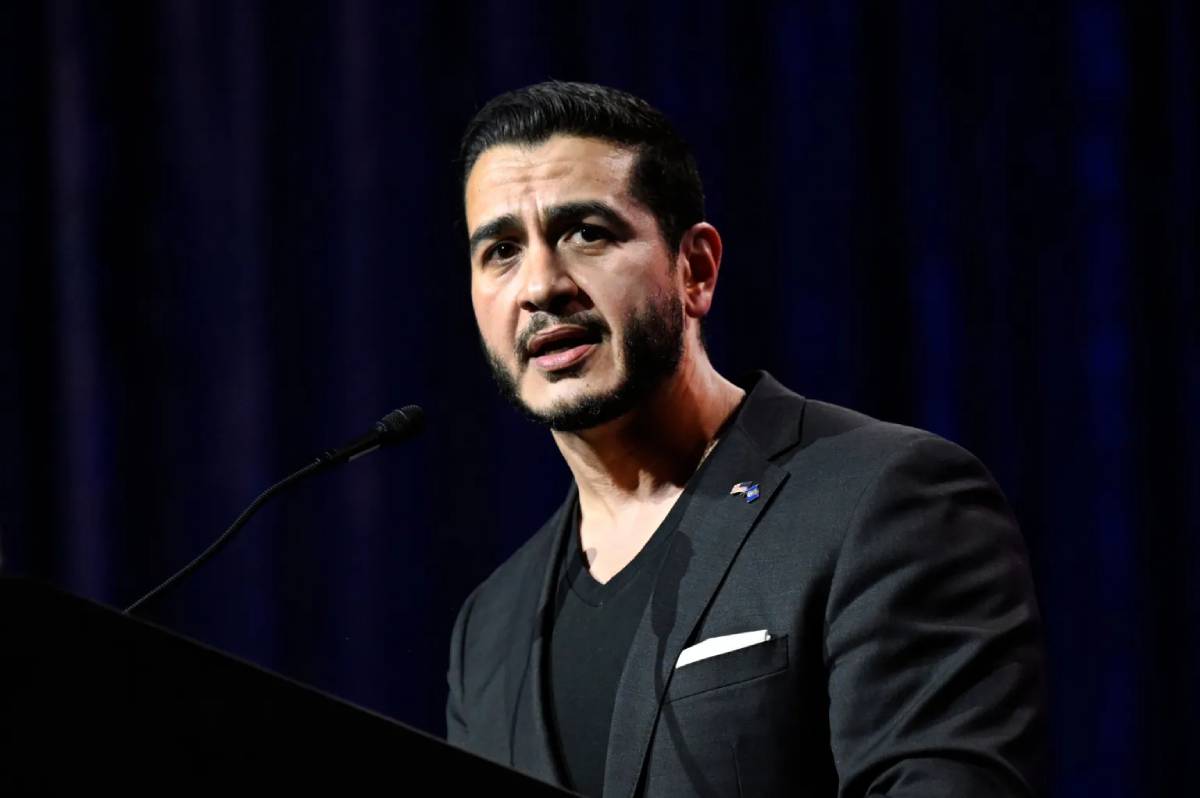
Image Source: Bridge Michigan

A major development unfolded in the growing debate over artificial intelligence governance as Michigan Senate candidate Abdul El-Sayed called for public ownership of advanced AI systems, arguing that unchecked private control could pose long-term risks to society. The proposal adds a new dimension to global discussions surrounding AI regulation, economic concentration, and the future governance of transformative technologies.

Abdul El-Sayed has advocated for greater public ownership or control of artificial intelligence infrastructure, citing concerns that increasingly powerful AI systems could create significant societal risks if concentrated in the hands of a small number of private corporations.

The proposal emerges amid accelerating investment in AI development by major technology companies and growing public debate over the governance of advanced models. El-Sayed argued that AI should be treated as critical infrastructure with broad public oversight rather than solely a commercial asset.

Key stakeholders include AI developers, technology firms, policymakers, regulators, investors, and citizens who may be affected by AI-driven changes in employment, public services, and economic opportunity.

The comments also reflect broader concerns about market concentration as a handful of companies continue to dominate AI research, computing infrastructure, and foundational model development.

The development aligns with a broader trend across global markets where policymakers, academics, and civil society groups are questioning how artificial intelligence should be governed as its capabilities expand. While most current policy discussions focus on regulation and safety standards, a smaller but increasingly vocal group of experts has advocated for public-interest models of AI ownership and oversight.

The debate mirrors historical discussions surrounding public utilities, telecommunications networks, energy infrastructure, and the internet. In each case, governments grappled with balancing private innovation against public accountability and access.

Globally, governments are investing heavily in sovereign AI initiatives, national computing infrastructure, and public-sector AI research. Countries including the United States, China, the United Kingdom, France, and several Gulf nations have launched strategies aimed at ensuring national influence over critical AI capabilities.

The emergence of increasingly powerful AI systems has also intensified concerns about economic concentration, labor market disruption, misinformation, cybersecurity risks, and long-term governance challenges, prompting calls for stronger public involvement in oversight mechanisms.

Policy analysts note that proposals for public ownership of AI remain outside the mainstream policy consensus but are gaining visibility as concerns over market concentration grow. Supporters argue that advanced AI may eventually become so economically and socially important that public oversight will be necessary to ensure equitable access and accountability.

Technology industry leaders generally favor regulatory frameworks rather than public ownership, arguing that private-sector competition remains the primary driver of innovation. They contend that excessive government control could slow technological progress and reduce international competitiveness.

Governance experts emphasize that the debate is increasingly shifting from technical questions about AI capabilities toward broader questions of power, ownership, and societal benefit. Some analysts compare the discussion to earlier debates surrounding railroads, telecommunications networks, and electricity grids.

Others caution that implementing public ownership models would present significant operational, legal, and financial challenges, particularly in a rapidly evolving global technology environment.

For businesses, the proposal highlights growing political scrutiny of AI market concentration and the potential for future interventions targeting ownership structures, competition, and infrastructure access. Technology firms may face increasing pressure to demonstrate responsible governance and transparency.

For investors, the debate underscores emerging policy risks that could affect long-term valuations, competitive dynamics, and regulatory compliance costs across the AI sector. For policymakers, the discussion expands beyond traditional regulation toward more fundamental questions about whether AI should be treated as strategic infrastructure. Governments may increasingly explore public-private partnerships, national AI resources, and sovereign computing capabilities.

Analysts suggest that even if public ownership remains unlikely in the near term, the debate could influence future legislation related to competition, transparency, and access to AI technologies.

The proposal is expected to fuel broader discussions about AI governance as policymakers prepare new regulatory frameworks in the United States and internationally. Decision-makers should monitor evolving debates around market concentration, public oversight, and sovereign AI initiatives.

While public ownership proposals remain controversial, the underlying questions surrounding accountability, control, and societal benefit are likely to become increasingly central as AI systems gain greater economic and strategic importance.

Source: Bridge Michigan
Date: June 2026

  • Featured tools
Murf Ai
Free

Murf AI Review – Advanced AI Voice Generator for Realistic Voiceovers

#
Text to Speech
Learn more
Outplay AI
Free

Outplay AI is a dynamic sales engagement platform combining AI-powered outreach, multi-channel automation, and performance tracking to help teams optimize conversion and pipeline generation.

#
Sales
Learn more

Learn more about future of AI

Join 80,000+ Ai enthusiast getting weekly updates on exciting AI tools.
Thank you! Your submission has been received!
Oops! Something went wrong while submitting the form.

US Senate Candidate Debates Public AI Ownership

June 10, 2026

Abdul El-Sayed has advocated for greater public ownership or control of artificial intelligence infrastructure, citing concerns that increasingly powerful AI systems could create significant societal risks.

Image Source: Bridge Michigan

A major development unfolded in the growing debate over artificial intelligence governance as Michigan Senate candidate Abdul El-Sayed called for public ownership of advanced AI systems, arguing that unchecked private control could pose long-term risks to society. The proposal adds a new dimension to global discussions surrounding AI regulation, economic concentration, and the future governance of transformative technologies.

Abdul El-Sayed has advocated for greater public ownership or control of artificial intelligence infrastructure, citing concerns that increasingly powerful AI systems could create significant societal risks if concentrated in the hands of a small number of private corporations.

The proposal emerges amid accelerating investment in AI development by major technology companies and growing public debate over the governance of advanced models. El-Sayed argued that AI should be treated as critical infrastructure with broad public oversight rather than solely a commercial asset.

Key stakeholders include AI developers, technology firms, policymakers, regulators, investors, and citizens who may be affected by AI-driven changes in employment, public services, and economic opportunity.

The comments also reflect broader concerns about market concentration as a handful of companies continue to dominate AI research, computing infrastructure, and foundational model development.

The development aligns with a broader trend across global markets where policymakers, academics, and civil society groups are questioning how artificial intelligence should be governed as its capabilities expand. While most current policy discussions focus on regulation and safety standards, a smaller but increasingly vocal group of experts has advocated for public-interest models of AI ownership and oversight.

The debate mirrors historical discussions surrounding public utilities, telecommunications networks, energy infrastructure, and the internet. In each case, governments grappled with balancing private innovation against public accountability and access.

Globally, governments are investing heavily in sovereign AI initiatives, national computing infrastructure, and public-sector AI research. Countries including the United States, China, the United Kingdom, France, and several Gulf nations have launched strategies aimed at ensuring national influence over critical AI capabilities.

The emergence of increasingly powerful AI systems has also intensified concerns about economic concentration, labor market disruption, misinformation, cybersecurity risks, and long-term governance challenges, prompting calls for stronger public involvement in oversight mechanisms.

Policy analysts note that proposals for public ownership of AI remain outside the mainstream policy consensus but are gaining visibility as concerns over market concentration grow. Supporters argue that advanced AI may eventually become so economically and socially important that public oversight will be necessary to ensure equitable access and accountability.

Technology industry leaders generally favor regulatory frameworks rather than public ownership, arguing that private-sector competition remains the primary driver of innovation. They contend that excessive government control could slow technological progress and reduce international competitiveness.

Governance experts emphasize that the debate is increasingly shifting from technical questions about AI capabilities toward broader questions of power, ownership, and societal benefit. Some analysts compare the discussion to earlier debates surrounding railroads, telecommunications networks, and electricity grids.

Others caution that implementing public ownership models would present significant operational, legal, and financial challenges, particularly in a rapidly evolving global technology environment.

For businesses, the proposal highlights growing political scrutiny of AI market concentration and the potential for future interventions targeting ownership structures, competition, and infrastructure access. Technology firms may face increasing pressure to demonstrate responsible governance and transparency.

For investors, the debate underscores emerging policy risks that could affect long-term valuations, competitive dynamics, and regulatory compliance costs across the AI sector. For policymakers, the discussion expands beyond traditional regulation toward more fundamental questions about whether AI should be treated as strategic infrastructure. Governments may increasingly explore public-private partnerships, national AI resources, and sovereign computing capabilities.

Analysts suggest that even if public ownership remains unlikely in the near term, the debate could influence future legislation related to competition, transparency, and access to AI technologies.

The proposal is expected to fuel broader discussions about AI governance as policymakers prepare new regulatory frameworks in the United States and internationally. Decision-makers should monitor evolving debates around market concentration, public oversight, and sovereign AI initiatives.

While public ownership proposals remain controversial, the underlying questions surrounding accountability, control, and societal benefit are likely to become increasingly central as AI systems gain greater economic and strategic importance.

Source: Bridge Michigan
Date: June 2026

Promote Your Tool

Copy Embed Code

Similar Blogs

June 19, 2026
|

Apple iPhone Camera Controls Expand AI

The report outlines how users can modify or disable AI-assisted camera functions on Apple iPhone devices, particularly features that influence image processing and computational enhancements.
Read more
June 19, 2026
|

Samsung Expands Galaxy AI Controls Push

The guide details how users can adjust or disable AI-driven features on Samsung Galaxy smartphones, including tools integrated into Samsung Galaxy smartphones.
Read more
June 19, 2026
|

Google Expands Smart Home Ecosystem

The latest compilation of Google voice commands focuses on how users can interact with Google Assistant and connected smart home systems. Commands span entertainment, home automation, productivity, navigation.
Read more
June 19, 2026
|

AI Dating Apps Face User Backlash

Survey data indicates that while adoption of AI-based dating assistants and companion tools is increasing, user sentiment is becoming increasingly polarized.
Read more
June 19, 2026
|

Apple Signals Price Hikes Amid Cost Pressures

Apple CEO Tim Cook indicated that escalating costs tied to components such as memory, advanced processors, and logistics are becoming structurally embedded across the company’s manufacturing pipeline.
Read more
June 19, 2026
|

Adobe Embeds AI Assistants Across Tools

Adobe is positioning these assistants as task-oriented agents capable of handling repetitive editing workflows such as object removal.
Read more