
US Senate Probes Alleged AI Tech Transfer Case

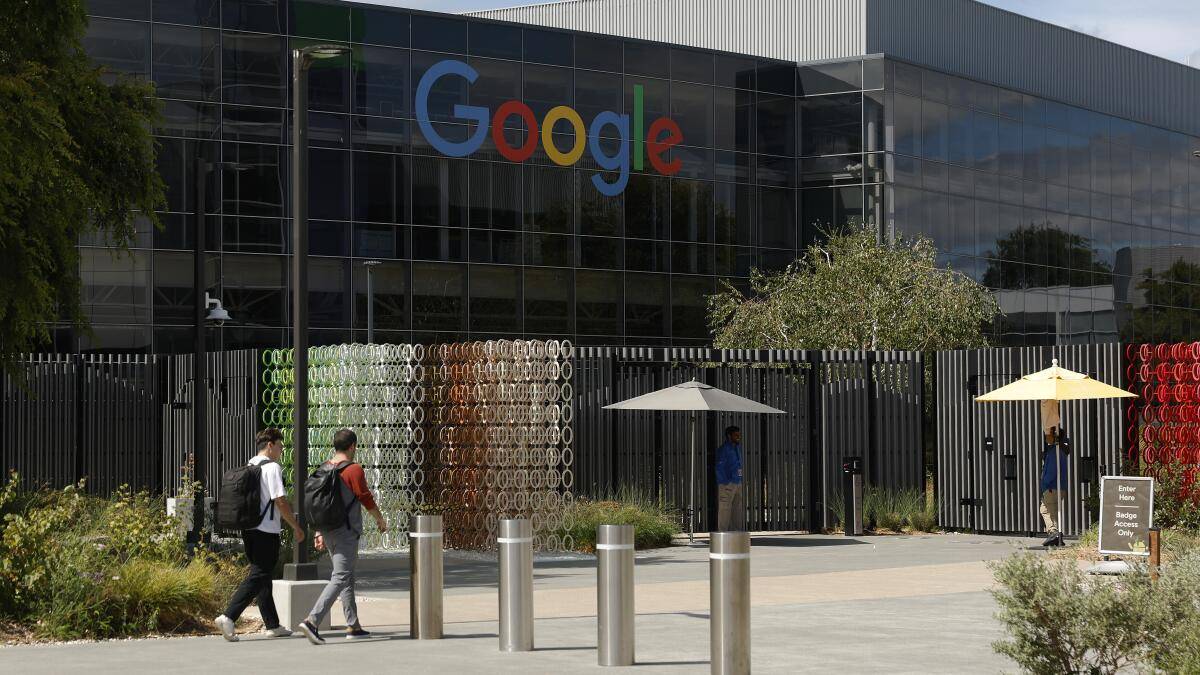
During a hearing before the United States Senate, lawmakers were presented with allegations that a former or current Google engineer improperly accessed and transferred AI-related intellectual property.

April 24, 2026
|

Heightened scrutiny over AI security has emerged following testimony before the United States Senate alleging that a Google engineer transferred sensitive artificial intelligence information to entities linked to China. The issue underscores rising geopolitical tensions around AI intellectual property, with implications for global technology governance and corporate risk management.

During a hearing before the United States Senate, lawmakers were presented with allegations that a former or current Google engineer improperly accessed and transferred AI-related intellectual property. The claims suggest potential links to entities associated with China.

The testimony has intensified concerns about insider threats and intellectual property protection within leading technology firms. U.S. officials emphasized the strategic importance of safeguarding AI technologies, particularly those tied to national security and economic competitiveness.

While details remain under investigation, the case has triggered broader discussions around corporate data security, employee access controls, and cross-border technology risks. The allegations discussed in the United States Senate reflect a broader escalation in U.S.–China technological competition, particularly in artificial intelligence and advanced computing. AI has become a central focus of national security strategy, with governments increasingly concerned about unauthorized technology transfer and intellectual property leakage.

Over recent years, the United States has implemented stricter export controls and oversight mechanisms to protect advanced technologies, including AI models and semiconductor designs.

Historically, cases involving alleged IP theft have influenced policy decisions related to foreign investment, research collaboration, and talent mobility. The current situation aligns with a wider trend across global markets where technology security is being prioritized alongside innovation, as governments seek to maintain competitive advantages in AI development.

Security analysts suggest that the allegations raised before the United States Senate highlight vulnerabilities in corporate data protection frameworks, particularly in high-value AI research environments. Experts note that insider threats remain one of the most challenging risks to manage, given the access levels required for advanced research roles.

Policy specialists emphasize that incidents of this nature could accelerate regulatory tightening around data access, employee vetting, and cross-border collaboration in sensitive technology sectors.

Industry observers also point out that Google and other leading AI firms may face increased pressure to strengthen internal controls and transparency measures. While no definitive conclusions have been reached, analysts broadly frame the issue as part of an ongoing geopolitical contest over AI leadership and intellectual property protection.

For global technology companies, the allegations underscore the importance of robust data governance, access controls, and internal security frameworks to protect intellectual property. Firms may need to reassess employee monitoring systems and cross-border collaboration protocols.

For policymakers, the case reinforces calls for stricter oversight of AI technology transfer and enhanced safeguards for critical innovations.

From an investor perspective, heightened geopolitical risk could influence valuations and strategic decisions in the technology sector. The development also signals increasing regulatory scrutiny of AI firms operating across international markets.

Looking ahead, investigations and potential policy responses will be closely monitored for their impact on global AI collaboration and technology flows. Key uncertainties include the outcome of the inquiry and whether additional regulatory measures will be introduced. The case highlights a broader trend toward tighter control of AI intellectual property in an increasingly competitive geopolitical environment.

Source: Fox News
Date: April 23, 2026

  • Featured tools
Upscayl AI
Free

Upscayl AI is a free, open-source AI-powered tool that enhances and upscales images to higher resolutions. It transforms blurry or low-quality visuals into sharp, detailed versions with ease.

#
Productivity
Learn more
Copy Ai
Free

Copy AI is one of the most popular AI writing tools designed to help professionals create high-quality content quickly. Whether you are a product manager drafting feature descriptions or a marketer creating ad copy, Copy AI can save hours of work while maintaining creativity and tone.

#
Copywriting
Learn more

Learn more about future of AI

Join 80,000+ Ai enthusiast getting weekly updates on exciting AI tools.
Thank you! Your submission has been received!
Oops! Something went wrong while submitting the form.

US Senate Probes Alleged AI Tech Transfer Case

April 24, 2026

During a hearing before the United States Senate, lawmakers were presented with allegations that a former or current Google engineer improperly accessed and transferred AI-related intellectual property.

Heightened scrutiny over AI security has emerged following testimony before the United States Senate alleging that a Google engineer transferred sensitive artificial intelligence information to entities linked to China. The issue underscores rising geopolitical tensions around AI intellectual property, with implications for global technology governance and corporate risk management.

During a hearing before the United States Senate, lawmakers were presented with allegations that a former or current Google engineer improperly accessed and transferred AI-related intellectual property. The claims suggest potential links to entities associated with China.

The testimony has intensified concerns about insider threats and intellectual property protection within leading technology firms. U.S. officials emphasized the strategic importance of safeguarding AI technologies, particularly those tied to national security and economic competitiveness.

While details remain under investigation, the case has triggered broader discussions around corporate data security, employee access controls, and cross-border technology risks. The allegations discussed in the United States Senate reflect a broader escalation in U.S.–China technological competition, particularly in artificial intelligence and advanced computing. AI has become a central focus of national security strategy, with governments increasingly concerned about unauthorized technology transfer and intellectual property leakage.

Over recent years, the United States has implemented stricter export controls and oversight mechanisms to protect advanced technologies, including AI models and semiconductor designs.

Historically, cases involving alleged IP theft have influenced policy decisions related to foreign investment, research collaboration, and talent mobility. The current situation aligns with a wider trend across global markets where technology security is being prioritized alongside innovation, as governments seek to maintain competitive advantages in AI development.

Security analysts suggest that the allegations raised before the United States Senate highlight vulnerabilities in corporate data protection frameworks, particularly in high-value AI research environments. Experts note that insider threats remain one of the most challenging risks to manage, given the access levels required for advanced research roles.

Policy specialists emphasize that incidents of this nature could accelerate regulatory tightening around data access, employee vetting, and cross-border collaboration in sensitive technology sectors.

Industry observers also point out that Google and other leading AI firms may face increased pressure to strengthen internal controls and transparency measures. While no definitive conclusions have been reached, analysts broadly frame the issue as part of an ongoing geopolitical contest over AI leadership and intellectual property protection.

For global technology companies, the allegations underscore the importance of robust data governance, access controls, and internal security frameworks to protect intellectual property. Firms may need to reassess employee monitoring systems and cross-border collaboration protocols.

For policymakers, the case reinforces calls for stricter oversight of AI technology transfer and enhanced safeguards for critical innovations.

From an investor perspective, heightened geopolitical risk could influence valuations and strategic decisions in the technology sector. The development also signals increasing regulatory scrutiny of AI firms operating across international markets.

Looking ahead, investigations and potential policy responses will be closely monitored for their impact on global AI collaboration and technology flows. Key uncertainties include the outcome of the inquiry and whether additional regulatory measures will be introduced. The case highlights a broader trend toward tighter control of AI intellectual property in an increasingly competitive geopolitical environment.

Source: Fox News
Date: April 23, 2026

Promote Your Tool

Copy Embed Code

Similar Blogs

April 24, 2026
|

Apple iPhone Feature Targets Rising Spam Calls

Apple is promoting a native iPhone setting “Silence Unknown Callers” that automatically filters calls from numbers not in a user’s contacts, recent calls, or Siri suggestions.
Read more
April 24, 2026
|

McAfee Pushes Tools for Growing Digital Footprints

McAfee has introduced features that allow users to identify, manage, and delete outdated online accounts, subscriptions, and stored personal data.
Read more
April 24, 2026
|

Mullvad Adds iOS Kill Switch to Boost Privacy

Mullvad VPN’s new feature acts as a kill switch, automatically blocking all internet traffic if the VPN disconnects, ensuring no data leaks occur during transitions between networks.
Read more
April 24, 2026
|

AI Tools Boost Cyber Threats From N Korean Hackers

Investigations reveal that threat actors associated with North Korea are increasingly leveraging AI-powered tools to improve phishing campaigns, automate coding tasks, and refine social engineering tactics.
Read more
April 24, 2026
|

Mozilla Uses AI Bug Hunting to Boost Firefox Security

Mozilla used Anthropic’s Mythos AI tool to uncover and fix 271 bugs within Firefox, significantly enhancing the browser’s security and performance.
Read more
April 24, 2026
|

Google Revives Persistent AI for Smart Homes

Google is reintroducing “continued conversations” in its Gemini for Home experience, allowing users to interact with devices without repeatedly triggering wake commands.
Read more