
US Lawmakers Clash Over AI Data Center Moratorium

The debate centers on balancing AI innovation with sustainability, as data centers consume significant electricity and resources. Major stakeholders include technology companies, cloud providers, utilities, policymakers, and local communities.

March 30, 2026
|
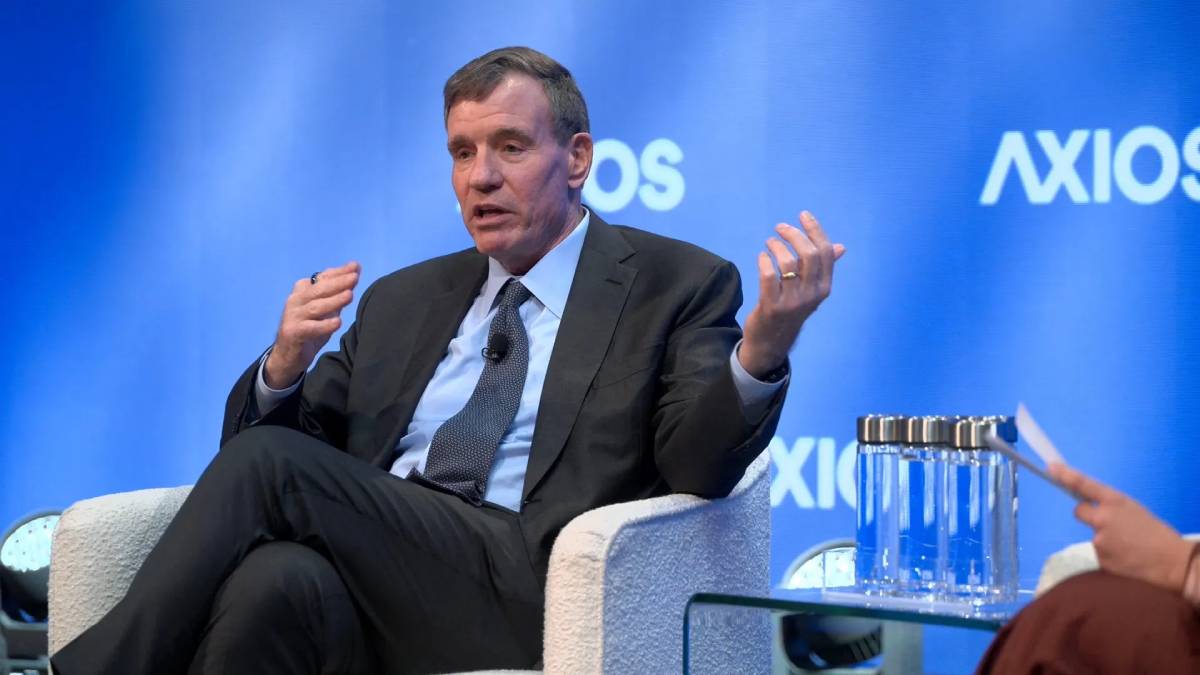
Image source: Sen. Mark Warner at Axios' AI+DC Summit

A major development unfolded as Mark Warner sharply criticized a proposed AI data center moratorium backed by Alexandria Ocasio-Cortez, signaling deep divisions in U.S. policy. The dispute highlights growing tensions between rapid AI infrastructure expansion and environmental, energy, and regulatory concerns impacting global technology markets.

Senator Mark Warner publicly opposed calls for a pause on new AI data center construction, labeling the proposal as harmful to U.S. competitiveness. The moratorium idea, supported by Representative Alexandria Ocasio-Cortez and others, aims to address environmental and energy consumption concerns tied to large-scale AI infrastructure.

The debate centers on balancing AI innovation with sustainability, as data centers consume significant electricity and resources. Major stakeholders include technology companies, cloud providers, utilities, policymakers, and local communities.

The disagreement reflects broader policy uncertainty around AI infrastructure expansion, with potential implications for investment, energy planning, and the pace of AI platform deployment across the United States.

The development aligns with a broader trend across global markets where governments are grappling with the rapid expansion of AI infrastructure. Data centers are critical to powering AI tools and platforms, enabling large-scale computation for machine learning, cloud services, and enterprise applications.

However, their energy-intensive nature has raised concerns about sustainability, carbon emissions, and strain on power grids. Countries worldwide are exploring regulatory approaches to balance technological growth with environmental responsibility.

In the U.S., the debate reflects competing priorities: maintaining leadership in AI innovation versus addressing climate and infrastructure challenges. Tech companies have been investing heavily in new data centers to support growing demand for AI services, making policy decisions in this area highly consequential for industry growth and global competitiveness.

Policy analysts note that Warner’s criticism underscores concerns that restrictive measures could hinder U.S. leadership in AI development. Experts argue that limiting data center expansion may slow innovation, reduce investment, and shift technological advantages to other regions.

Conversely, environmental advocates emphasize the need for responsible growth, highlighting the significant energy consumption and environmental impact of AI infrastructure. They argue that a temporary pause could allow for better planning, efficiency improvements, and sustainable practices.

Industry leaders stress the importance of balancing innovation with sustainability, suggesting investments in renewable energy, advanced cooling technologies, and more efficient AI models. Analysts highlight that the debate reflects a broader global challenge: how to scale AI platforms responsibly while maintaining economic and technological momentum.

For businesses, the policy debate introduces uncertainty around infrastructure investment and expansion strategies. Companies developing AI tools and platforms may need to reassess timelines, locations, and energy sourcing for data centers.

Investors could face shifting risk profiles, depending on regulatory outcomes and energy costs. Markets may favor companies that demonstrate sustainable infrastructure practices.

For policymakers, the issue highlights the need to create balanced frameworks that support innovation while addressing environmental concerns. Governments may consider incentives for green data centers, stricter efficiency standards, or targeted regulations to manage growth without undermining competitiveness.

Looking ahead, the debate over AI data center expansion is likely to intensify as demand for AI platforms continues to grow. Policymakers will need to navigate competing priorities, including economic growth, sustainability, and national security.

Decision-makers should monitor legislative developments, energy policies, and industry responses. The outcome will play a critical role in shaping the future of AI infrastructure and global technological leadership.

Source: Axios
Date: March 25, 2026

  • Featured tools
Kreateable AI
Free

Kreateable AI is a white-label, AI-driven design platform that enables logo generation, social media posts, ads, and more for businesses, agencies, and service providers.

#
Logo Generator
Learn more
Copy Ai
Free

Copy AI is one of the most popular AI writing tools designed to help professionals create high-quality content quickly. Whether you are a product manager drafting feature descriptions or a marketer creating ad copy, Copy AI can save hours of work while maintaining creativity and tone.

#
Copywriting
Learn more

Learn more about future of AI

Join 80,000+ Ai enthusiast getting weekly updates on exciting AI tools.
Thank you! Your submission has been received!
Oops! Something went wrong while submitting the form.

US Lawmakers Clash Over AI Data Center Moratorium

March 30, 2026

The debate centers on balancing AI innovation with sustainability, as data centers consume significant electricity and resources. Major stakeholders include technology companies, cloud providers, utilities, policymakers, and local communities.

Image source: Sen. Mark Warner at Axios' AI+DC Summit

A major development unfolded as Mark Warner sharply criticized a proposed AI data center moratorium backed by Alexandria Ocasio-Cortez, signaling deep divisions in U.S. policy. The dispute highlights growing tensions between rapid AI infrastructure expansion and environmental, energy, and regulatory concerns impacting global technology markets.

Senator Mark Warner publicly opposed calls for a pause on new AI data center construction, labeling the proposal as harmful to U.S. competitiveness. The moratorium idea, supported by Representative Alexandria Ocasio-Cortez and others, aims to address environmental and energy consumption concerns tied to large-scale AI infrastructure.

The debate centers on balancing AI innovation with sustainability, as data centers consume significant electricity and resources. Major stakeholders include technology companies, cloud providers, utilities, policymakers, and local communities.

The disagreement reflects broader policy uncertainty around AI infrastructure expansion, with potential implications for investment, energy planning, and the pace of AI platform deployment across the United States.

The development aligns with a broader trend across global markets where governments are grappling with the rapid expansion of AI infrastructure. Data centers are critical to powering AI tools and platforms, enabling large-scale computation for machine learning, cloud services, and enterprise applications.

However, their energy-intensive nature has raised concerns about sustainability, carbon emissions, and strain on power grids. Countries worldwide are exploring regulatory approaches to balance technological growth with environmental responsibility.

In the U.S., the debate reflects competing priorities: maintaining leadership in AI innovation versus addressing climate and infrastructure challenges. Tech companies have been investing heavily in new data centers to support growing demand for AI services, making policy decisions in this area highly consequential for industry growth and global competitiveness.

Policy analysts note that Warner’s criticism underscores concerns that restrictive measures could hinder U.S. leadership in AI development. Experts argue that limiting data center expansion may slow innovation, reduce investment, and shift technological advantages to other regions.

Conversely, environmental advocates emphasize the need for responsible growth, highlighting the significant energy consumption and environmental impact of AI infrastructure. They argue that a temporary pause could allow for better planning, efficiency improvements, and sustainable practices.

Industry leaders stress the importance of balancing innovation with sustainability, suggesting investments in renewable energy, advanced cooling technologies, and more efficient AI models. Analysts highlight that the debate reflects a broader global challenge: how to scale AI platforms responsibly while maintaining economic and technological momentum.

For businesses, the policy debate introduces uncertainty around infrastructure investment and expansion strategies. Companies developing AI tools and platforms may need to reassess timelines, locations, and energy sourcing for data centers.

Investors could face shifting risk profiles, depending on regulatory outcomes and energy costs. Markets may favor companies that demonstrate sustainable infrastructure practices.

For policymakers, the issue highlights the need to create balanced frameworks that support innovation while addressing environmental concerns. Governments may consider incentives for green data centers, stricter efficiency standards, or targeted regulations to manage growth without undermining competitiveness.

Looking ahead, the debate over AI data center expansion is likely to intensify as demand for AI platforms continues to grow. Policymakers will need to navigate competing priorities, including economic growth, sustainability, and national security.

Decision-makers should monitor legislative developments, energy policies, and industry responses. The outcome will play a critical role in shaping the future of AI infrastructure and global technological leadership.

Source: Axios
Date: March 25, 2026

Promote Your Tool

Copy Embed Code

Similar Blogs

April 15, 2026
|

OpenAI Leads Next Phase of AI Transformation

OpenAI has emerged as a central player in the development of advanced generative AI systems, powering applications across productivity, software development, research, and enterprise automation.
Read more
April 15, 2026
|

Microsoft Positions Copilot as Core AI Companion

Microsoft Copilot is being positioned as an AI-powered assistant designed to support users across productivity, communication, and enterprise workflows. Integrated across Microsoft’s ecosystem.
Read more
April 15, 2026
|

Canva Launches All-in-One AI Design Assistant

Canva has introduced an AI assistant integrated directly into its design platform, enabling users to generate, edit, and optimize visual content through natural language prompts.
Read more
April 15, 2026
|

Apple iPad A16 Leads 2026 Tablet Market

The Apple iPad A16 remains one of the top-rated tablets in 2026, driven by strong performance, ecosystem integration, and consumer satisfaction. The device continues to attract both individual buyers and enterprise users seeking portable productivity solutions.
Read more
April 15, 2026
|

$299 Smart Glasses Signal New AR Era

The new smart glasses deliver high-dynamic-range visuals designed to simulate a large-screen viewing experience in a compact wearable form factor.
Read more
April 15, 2026
|

Sony Expands Gaming Audio Line with InZone H6 Air

The Sony InZone H6 Air headset has been reviewed as a strong addition to the company’s gaming ecosystem, offering high-quality sound performance and lightweight comfort designed for extended gaming sessions.
Read more