
US Curbs Chinese AI Expansion Efforts

US lawmakers are advancing proposals designed to weaken the international competitiveness of Chinese AI and technology firms operating abroad.

May 20, 2026
|
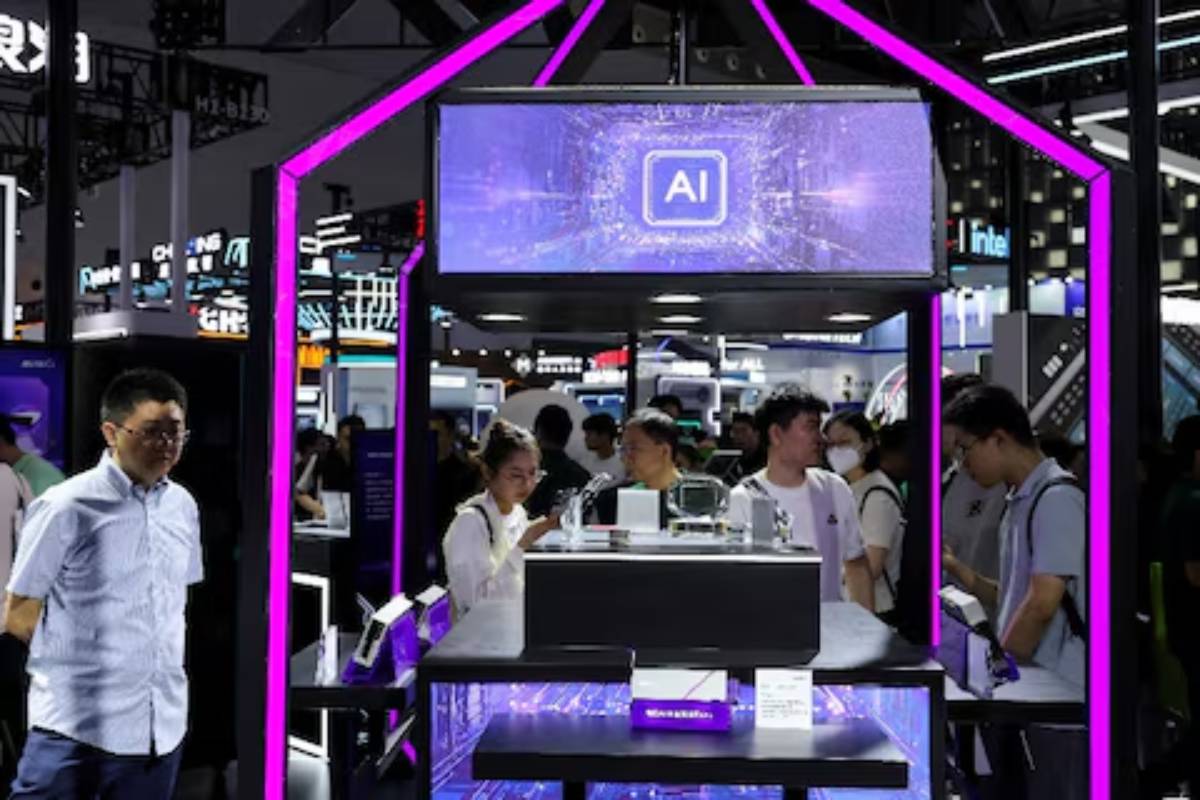
Image Source: Reuters Special Report

Washington is intensifying efforts to limit the global reach of Chinese artificial intelligence and technology companies, as US lawmakers push new measures aimed at restricting overseas sales and market access. The initiative underscores deepening geopolitical competition over AI dominance, semiconductor control, and digital infrastructure influence across strategic global markets.

US lawmakers are advancing proposals designed to weaken the international competitiveness of Chinese AI and technology firms operating abroad. The measures reportedly target overseas sales channels, export relationships, and access to strategic foreign markets where Chinese companies have expanded rapidly in recent years.

The effort reflects growing bipartisan concern in Washington over China’s technological influence in AI, telecommunications, cloud infrastructure, and advanced computing systems. Policymakers are increasingly framing AI leadership as a national security issue tied to economic resilience and geopolitical leverage.

The proposed actions could affect cross-border technology partnerships, international procurement decisions, and future trade negotiations, particularly in emerging markets where Chinese digital infrastructure investment has grown substantially.

The push by US lawmakers comes amid a broader escalation in the global technology rivalry between the United States and China. Over the past several years, Washington has steadily expanded restrictions on advanced semiconductor exports, AI chip access, and high-performance computing technologies linked to Chinese firms.

The competition increasingly extends beyond domestic markets into global digital infrastructure influence. Chinese technology companies have aggressively expanded into Asia, Africa, Latin America, and the Middle East through cloud services, telecommunications systems, AI platforms, and smart-city technologies.

This latest effort aligns with a wider strategic trend where governments are treating AI and advanced computing capabilities as critical geopolitical assets. Similar measures targeting semiconductor supply chains and telecom infrastructure have already reshaped global investment flows, trade relationships, and corporate supply chain strategies. For multinational firms, the technology sector is becoming increasingly fragmented along geopolitical lines.

Policy analysts argue that Washington’s latest approach reflects a shift from defensive restrictions toward more proactive efforts to limit China’s international technology expansion. Security experts have repeatedly warned that dominance in AI infrastructure and digital ecosystems could translate into long-term economic and strategic leverage.

US lawmakers advocating stricter controls contend that Chinese AI exports may create dependencies in critical infrastructure sectors abroad, particularly in developing economies adopting low-cost technology platforms. Supporters of the measures also frame the initiative as necessary to protect democratic digital standards and supply chain security.

However, some business leaders and trade experts caution that aggressive restrictions could accelerate technological decoupling between the world’s two largest economies. Analysts warn that escalating barriers may increase operational complexity for multinational companies dependent on global technology supply chains and cross-border market access.

For businesses, the evolving policy landscape signals rising geopolitical risk across technology procurement, AI partnerships, and international expansion strategies. Companies operating globally may face increasing pressure to reassess supplier relationships, compliance exposure, and regional technology dependencies.

Investors are also closely monitoring the potential impact on semiconductor firms, cloud providers, telecommunications companies, and AI infrastructure developers. Increased regulatory intervention could reshape market competition and influence capital allocation decisions across the global tech sector.

For governments, the push highlights how AI policy is increasingly intertwined with trade strategy, national security, and industrial policy. Regulatory fragmentation may create parallel technology ecosystems with differing standards, compliance rules, and market access conditions.

Attention now turns to how aggressively Washington pursues additional restrictions and how Beijing responds diplomatically and economically. Global technology firms will be watching for potential export controls, procurement limits, and broader regulatory coordination among US allies.

The pace of AI commercialization, semiconductor competition, and international infrastructure investment is likely to shape the next phase of the US-China technology rivalry and redefine global digital power dynamics.

Source: Reuters Special Report
Date: 19 May 2026

  • Featured tools
Ai Fiesta
Paid

AI Fiesta is an all-in-one productivity platform that gives users access to multiple leading AI models through a single interface. It includes features like prompt enhancement, image generation, audio transcription and side-by-side model comparison.

#
Copywriting
#
Art Generator
Learn more
Surfer AI
Free

Surfer AI is an AI-powered content creation assistant built into the Surfer SEO platform, designed to generate SEO-optimized articles from prompts, leveraging data from search results to inform tone, structure, and relevance.

#
SEO
Learn more

Learn more about future of AI

Join 80,000+ Ai enthusiast getting weekly updates on exciting AI tools.
Thank you! Your submission has been received!
Oops! Something went wrong while submitting the form.

US Curbs Chinese AI Expansion Efforts

May 20, 2026

US lawmakers are advancing proposals designed to weaken the international competitiveness of Chinese AI and technology firms operating abroad.

Image Source: Reuters Special Report

Washington is intensifying efforts to limit the global reach of Chinese artificial intelligence and technology companies, as US lawmakers push new measures aimed at restricting overseas sales and market access. The initiative underscores deepening geopolitical competition over AI dominance, semiconductor control, and digital infrastructure influence across strategic global markets.

US lawmakers are advancing proposals designed to weaken the international competitiveness of Chinese AI and technology firms operating abroad. The measures reportedly target overseas sales channels, export relationships, and access to strategic foreign markets where Chinese companies have expanded rapidly in recent years.

The effort reflects growing bipartisan concern in Washington over China’s technological influence in AI, telecommunications, cloud infrastructure, and advanced computing systems. Policymakers are increasingly framing AI leadership as a national security issue tied to economic resilience and geopolitical leverage.

The proposed actions could affect cross-border technology partnerships, international procurement decisions, and future trade negotiations, particularly in emerging markets where Chinese digital infrastructure investment has grown substantially.

The push by US lawmakers comes amid a broader escalation in the global technology rivalry between the United States and China. Over the past several years, Washington has steadily expanded restrictions on advanced semiconductor exports, AI chip access, and high-performance computing technologies linked to Chinese firms.

The competition increasingly extends beyond domestic markets into global digital infrastructure influence. Chinese technology companies have aggressively expanded into Asia, Africa, Latin America, and the Middle East through cloud services, telecommunications systems, AI platforms, and smart-city technologies.

This latest effort aligns with a wider strategic trend where governments are treating AI and advanced computing capabilities as critical geopolitical assets. Similar measures targeting semiconductor supply chains and telecom infrastructure have already reshaped global investment flows, trade relationships, and corporate supply chain strategies. For multinational firms, the technology sector is becoming increasingly fragmented along geopolitical lines.

Policy analysts argue that Washington’s latest approach reflects a shift from defensive restrictions toward more proactive efforts to limit China’s international technology expansion. Security experts have repeatedly warned that dominance in AI infrastructure and digital ecosystems could translate into long-term economic and strategic leverage.

US lawmakers advocating stricter controls contend that Chinese AI exports may create dependencies in critical infrastructure sectors abroad, particularly in developing economies adopting low-cost technology platforms. Supporters of the measures also frame the initiative as necessary to protect democratic digital standards and supply chain security.

However, some business leaders and trade experts caution that aggressive restrictions could accelerate technological decoupling between the world’s two largest economies. Analysts warn that escalating barriers may increase operational complexity for multinational companies dependent on global technology supply chains and cross-border market access.

For businesses, the evolving policy landscape signals rising geopolitical risk across technology procurement, AI partnerships, and international expansion strategies. Companies operating globally may face increasing pressure to reassess supplier relationships, compliance exposure, and regional technology dependencies.

Investors are also closely monitoring the potential impact on semiconductor firms, cloud providers, telecommunications companies, and AI infrastructure developers. Increased regulatory intervention could reshape market competition and influence capital allocation decisions across the global tech sector.

For governments, the push highlights how AI policy is increasingly intertwined with trade strategy, national security, and industrial policy. Regulatory fragmentation may create parallel technology ecosystems with differing standards, compliance rules, and market access conditions.

Attention now turns to how aggressively Washington pursues additional restrictions and how Beijing responds diplomatically and economically. Global technology firms will be watching for potential export controls, procurement limits, and broader regulatory coordination among US allies.

The pace of AI commercialization, semiconductor competition, and international infrastructure investment is likely to shape the next phase of the US-China technology rivalry and redefine global digital power dynamics.

Source: Reuters Special Report
Date: 19 May 2026

Promote Your Tool

Copy Embed Code

Similar Blogs

June 23, 2026
|

Sokin Secures European Payments License

Sokin has acquired Norwegian fintech firm Settle in a transaction that provides access to a valuable Electronic Money Institution (EMI) license.
Read more
June 23, 2026
|

Twin Prime Bets Defence AI

Twin Prime has secured $10 million in fresh funding to expand its defence-focused AI systems, which prioritize sensor fusion, detection, and real-time environmental interpretation over generative or chatbot-based models.
Read more
June 23, 2026
|

Northzone Backs Physical AI Shift

Northzone has appointed a new partner to lead its physical AI investment strategy, marking a deliberate shift toward embodied intelligence—systems that interact directly with physical environments.
Read more
June 23, 2026
|

Switzerland Hosts Iran US Technical Talks

The upcoming technical-level discussions between Iranian and US representatives will focus on procedural and issue-specific frameworks rather than high-level political agreements.
Read more
June 23, 2026
|

Switzerland Extends Ukrainian Protection Status

Swiss federal authorities are reviewing the possibility of extending S protection status, which grants temporary residence rights and access to essential services for Ukrainian nationals fleeing the war.
Read more
June 23, 2026
|

Swiss FM Engages Iran Diplomacy

Swiss Foreign Minister Ignazio Cassis held formal discussions with Iran’s foreign minister, focusing on bilateral relations and broader regional security dynamics.
Read more