
US China AI Healthcare Power Shift

The U.S.–China summit brings together two of the world’s most influential political leaders amid ongoing tensions over trade, technology, and security.

May 14, 2026
|
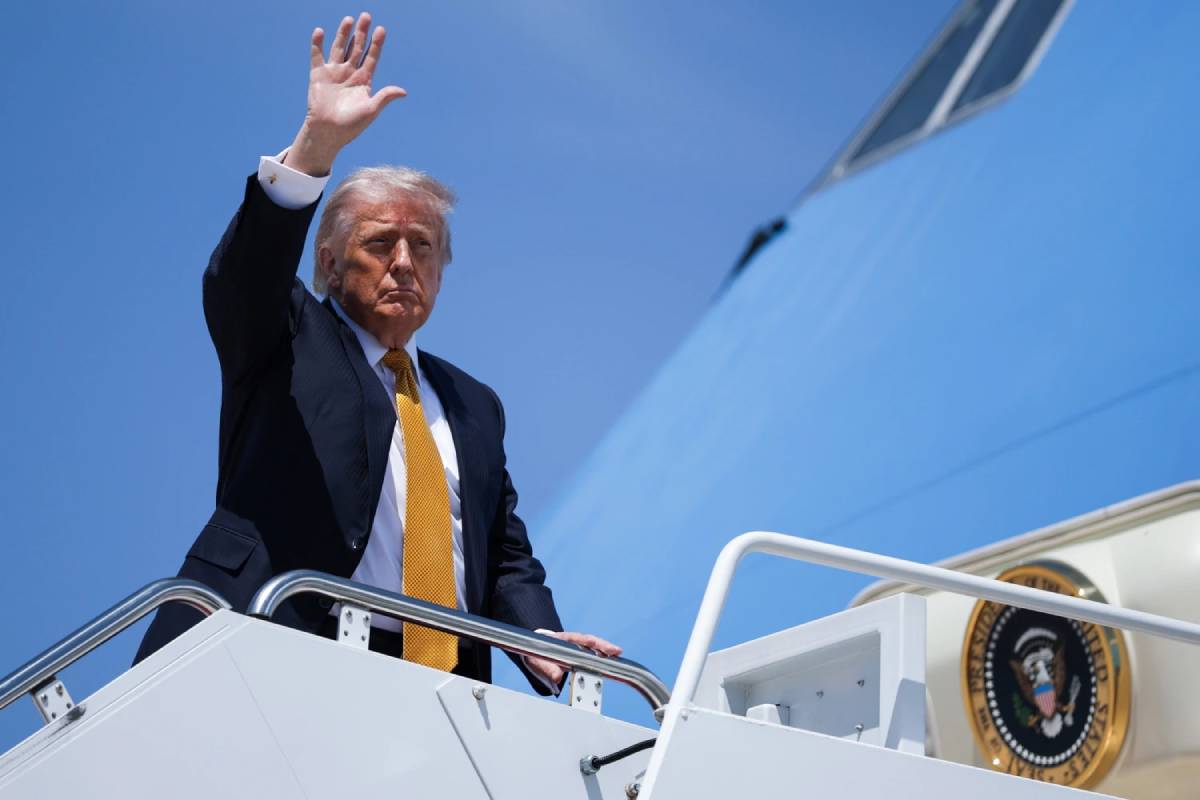
Image Source: NBC News

A major geopolitical and technological convergence is unfolding as high-level discussions between Donald Trump and Xi Jinping coincide with accelerating adoption of artificial intelligence in healthcare systems. The dual developments highlight shifting dynamics in global diplomacy and the rapid integration of AI into critical public services, reshaping policy and innovation landscapes.

The U.S.–China summit brings together two of the world’s most influential political leaders amid ongoing tensions over trade, technology, and security. Discussions are expected to focus on economic stability, strategic competition, and potential areas of cooperation.

Simultaneously, healthcare providers in multiple regions are increasingly adopting AI-driven software tools to assist in diagnostics, treatment planning, and patient monitoring. Key stakeholders include government agencies, medical institutions, technology firms, and international regulators. The timing underscores parallel transformations: geopolitical recalibration at the leadership level and rapid technological integration at the institutional level, particularly in healthcare systems under strain.

The convergence of diplomacy and technological transformation reflects broader structural shifts in global governance and innovation. U.S.–China relations have been characterized by fluctuating tensions over semiconductor access, AI leadership, and trade policy, with both nations competing for technological dominance while maintaining critical economic interdependence.

At the same time, healthcare systems worldwide are under pressure from aging populations, workforce shortages, and rising costs. Artificial intelligence has emerged as a key tool to improve efficiency, reduce diagnostic errors, and expand access to care.

Historically, geopolitical competition and technological advancement have evolved in parallel, but the acceleration of AI adoption is now directly influencing both statecraft and public service delivery. This dual-track evolution positions AI not just as an economic tool, but as a strategic asset in national competitiveness and global influence.

Policy analysts suggest that high-level U.S.–China engagement remains critical for stabilizing global markets, even amid strategic rivalry. Experts note that dialogue between major powers often helps reduce uncertainty in trade flows, technology regulation, and supply chain stability.

In parallel, healthcare technology specialists emphasize that AI integration in clinical environments is moving from experimental pilots to operational deployment. Medical experts highlight improvements in imaging analysis, predictive diagnostics, and administrative efficiency, while cautioning about data privacy, algorithmic bias, and regulatory oversight.

Strategists argue that the simultaneous rise of geopolitical negotiation and AI-driven healthcare transformation illustrates how technology is increasingly embedded in both governance and public infrastructure. While political leaders focus on macro-stability, healthcare institutions are undergoing micro-level transformation driven by digital intelligence systems.

For global businesses, U.S.–China engagement may influence trade policy stability, semiconductor supply chains, and cross-border technology collaboration. Companies operating in AI, healthcare, and advanced manufacturing could benefit from reduced geopolitical volatility if dialogue yields progress.

For healthcare providers, AI adoption may significantly improve efficiency and patient outcomes but will require investment in compliance, cybersecurity, and workforce training. For policymakers, the dual developments highlight the need to balance innovation with regulation. Governments may accelerate AI governance frameworks while also maintaining diplomatic channels to manage systemic global risks. Analysts warn that fragmented regulation could slow AI deployment or deepen technological divides between regions.

Attention will now shift to whether diplomatic discussions translate into tangible policy outcomes and whether healthcare AI adoption scales sustainably across systems. Key uncertainties include regulatory alignment, data governance standards, and geopolitical stability. The coming months will determine whether these parallel developments reinforce global coordination or deepen structural fragmentation in both technology and international relations.

Source: NBC News – Morning Rundown
Date: May 2026

  • Featured tools
Beautiful AI
Free

Beautiful AI is an AI-powered presentation platform that automates slide design and formatting, enabling users to create polished, on-brand presentations quickly.

#
Presentation
Learn more
Symphony Ayasdi AI
Free

SymphonyAI Sensa is an AI-powered surveillance and financial crime detection platform that surfaces hidden risk behavior through explainable, AI-driven analytics.

#
Finance
Learn more

Learn more about future of AI

Join 80,000+ Ai enthusiast getting weekly updates on exciting AI tools.
Thank you! Your submission has been received!
Oops! Something went wrong while submitting the form.

US China AI Healthcare Power Shift

May 14, 2026

The U.S.–China summit brings together two of the world’s most influential political leaders amid ongoing tensions over trade, technology, and security.

Image Source: NBC News

A major geopolitical and technological convergence is unfolding as high-level discussions between Donald Trump and Xi Jinping coincide with accelerating adoption of artificial intelligence in healthcare systems. The dual developments highlight shifting dynamics in global diplomacy and the rapid integration of AI into critical public services, reshaping policy and innovation landscapes.

The U.S.–China summit brings together two of the world’s most influential political leaders amid ongoing tensions over trade, technology, and security. Discussions are expected to focus on economic stability, strategic competition, and potential areas of cooperation.

Simultaneously, healthcare providers in multiple regions are increasingly adopting AI-driven software tools to assist in diagnostics, treatment planning, and patient monitoring. Key stakeholders include government agencies, medical institutions, technology firms, and international regulators. The timing underscores parallel transformations: geopolitical recalibration at the leadership level and rapid technological integration at the institutional level, particularly in healthcare systems under strain.

The convergence of diplomacy and technological transformation reflects broader structural shifts in global governance and innovation. U.S.–China relations have been characterized by fluctuating tensions over semiconductor access, AI leadership, and trade policy, with both nations competing for technological dominance while maintaining critical economic interdependence.

At the same time, healthcare systems worldwide are under pressure from aging populations, workforce shortages, and rising costs. Artificial intelligence has emerged as a key tool to improve efficiency, reduce diagnostic errors, and expand access to care.

Historically, geopolitical competition and technological advancement have evolved in parallel, but the acceleration of AI adoption is now directly influencing both statecraft and public service delivery. This dual-track evolution positions AI not just as an economic tool, but as a strategic asset in national competitiveness and global influence.

Policy analysts suggest that high-level U.S.–China engagement remains critical for stabilizing global markets, even amid strategic rivalry. Experts note that dialogue between major powers often helps reduce uncertainty in trade flows, technology regulation, and supply chain stability.

In parallel, healthcare technology specialists emphasize that AI integration in clinical environments is moving from experimental pilots to operational deployment. Medical experts highlight improvements in imaging analysis, predictive diagnostics, and administrative efficiency, while cautioning about data privacy, algorithmic bias, and regulatory oversight.

Strategists argue that the simultaneous rise of geopolitical negotiation and AI-driven healthcare transformation illustrates how technology is increasingly embedded in both governance and public infrastructure. While political leaders focus on macro-stability, healthcare institutions are undergoing micro-level transformation driven by digital intelligence systems.

For global businesses, U.S.–China engagement may influence trade policy stability, semiconductor supply chains, and cross-border technology collaboration. Companies operating in AI, healthcare, and advanced manufacturing could benefit from reduced geopolitical volatility if dialogue yields progress.

For healthcare providers, AI adoption may significantly improve efficiency and patient outcomes but will require investment in compliance, cybersecurity, and workforce training. For policymakers, the dual developments highlight the need to balance innovation with regulation. Governments may accelerate AI governance frameworks while also maintaining diplomatic channels to manage systemic global risks. Analysts warn that fragmented regulation could slow AI deployment or deepen technological divides between regions.

Attention will now shift to whether diplomatic discussions translate into tangible policy outcomes and whether healthcare AI adoption scales sustainably across systems. Key uncertainties include regulatory alignment, data governance standards, and geopolitical stability. The coming months will determine whether these parallel developments reinforce global coordination or deepen structural fragmentation in both technology and international relations.

Source: NBC News – Morning Rundown
Date: May 2026

Promote Your Tool

Copy Embed Code

Similar Blogs

May 14, 2026
|

Chrome On Device AI Raises Gemini Storage Risk

Reports indicate that Google Chrome may install or cache a sizable AI model, Gemini Nano, on user devices to enable faster on-device AI processing.
Read more
May 14, 2026
|

Microsoft Edge Gains AI Cross-Tab Intelligence

Microsoft’s updated Edge Copilot now enables users to leverage AI that can extract, compare, and summarize content across multiple open tabs simultaneously.
Read more
May 14, 2026
|

360-Degree Camera Market Surges on Insta360 Cut

The Insta360 X5, a flagship 360-degree action camera, is currently available at a reduced price of approximately $85 off its standard retail value.
Read more
May 14, 2026
|

Google AI Educator Series Launches Globally

Google’s AI Educator Series is designed to provide structured learning pathways covering foundational AI concepts, responsible usage, and practical applications across industries.
Read more
May 14, 2026
|

US China AI Healthcare Power Shift

The U.S.–China summit brings together two of the world’s most influential political leaders amid ongoing tensions over trade, technology, and security.
Read more
May 14, 2026
|

AI Growth Bet Falters Wix Shares Drop

Wix reported financial results that disappointed markets, with the company slipping back into losses even as it continues to invest in AI-driven website creation and automation tools.
Read more