
UN Eases Layoff Concerns Geneva Stability

UN officials in Geneva have indicated that the organisation is not currently planning further large-scale job reductions, although future adjustments remain possible depending on financial conditions.

July 9, 2026
|
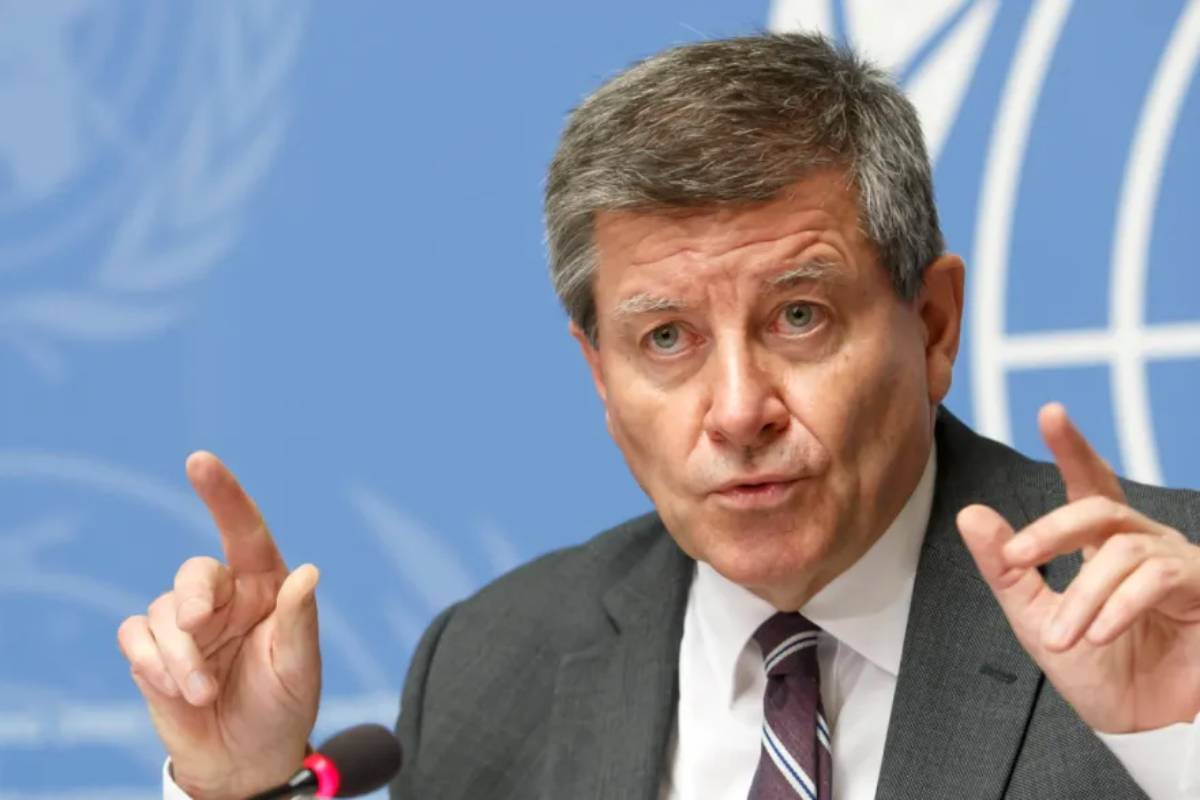
The UN does not plan any further job cuts but is not ruling anything out Keystone-SDA

A major development emerged at the United Nations as officials indicated that immediate pressure for additional job cuts has eased, providing temporary relief for employees and international agencies based in Geneva. The update comes amid ongoing budget challenges, efficiency efforts, and uncertainty surrounding the future financial structure of global organisations.

UN officials in Geneva have indicated that the organisation is not currently planning further large-scale job reductions, although future adjustments remain possible depending on financial conditions. The statement follows concerns among staff over potential workforce reductions linked to budget constraints and operational restructuring.

Geneva, a major hub for international organisations, has been closely monitoring developments as UN agencies seek to balance financial sustainability with maintaining critical programmes. Officials stressed that cost management efforts will continue while prioritising essential operations.

The situation highlights broader challenges facing multilateral institutions as they navigate funding pressures, changing global priorities, and demands for greater efficiency. The development aligns with a broader trend among international organisations facing increasing financial pressure and calls for operational reform. The United Nations and its agencies have experienced growing demands to improve efficiency, manage limited resources, and adapt to shifting geopolitical priorities.

Geneva plays a central role in global diplomacy, hosting numerous UN bodies and international institutions focused on areas such as humanitarian assistance, health, trade, and human rights. Any significant workforce changes could have wider economic and social effects on the city’s international community.

Budget uncertainty has become a recurring challenge for multilateral organisations as governments reassess contributions and domestic priorities. The UN’s efforts to maintain stability while controlling costs reflect the broader balancing act faced by global institutions operating in an increasingly complex environment.

International policy analysts suggest that workforce stability at the UN will depend heavily on future funding commitments from member states and the organisation’s ability to demonstrate operational effectiveness.

Experts note that while avoiding immediate layoffs provides short-term reassurance, structural financial challenges remain. UN agencies may continue reviewing administrative costs, improving efficiency, and identifying areas where resources can be redirected toward priority programmes.

Officials have emphasised that current decisions are focused on maintaining essential services while adapting to financial realities. Observers argue that transparency in budget management and communication with employees will be critical for maintaining trust among staff and international partners.

The situation reflects a wider debate about how global institutions can modernise without weakening their ability to respond to international crises. For organisations operating around Geneva’s international ecosystem, workforce stability at the UN provides greater certainty for partnerships, consulting activities, and service providers connected to global institutions.

For policymakers, the issue highlights the importance of sustainable funding models for international organisations. Governments will continue facing pressure to balance financial contributions with expectations for effective global cooperation.

For employees and stakeholders, avoiding immediate layoffs reduces uncertainty but does not eliminate concerns about long-term restructuring. The UN’s approach may influence how other international organisations manage financial challenges while preserving institutional capabilities and global responsibilities.

The next phase will depend on funding decisions, operational reviews, and broader geopolitical developments affecting the UN’s priorities. While immediate job-cut concerns have eased, officials are expected to continue pursuing efficiency measures. Decision-makers will watch how the organisation balances financial discipline with maintaining the expertise and capacity required to address global challenges.

Source: Swissinfo
Date: July 2026

  • Featured tools
Twistly AI
Paid

Twistly AI is a PowerPoint add-in that allows users to generate full slide decks, improve existing presentations, and convert various content types into polished slides directly within Microsoft PowerPoint.It streamlines presentation creation using AI-powered text analysis, image generation and content conversion.

#
Presentation
Learn more
Tome AI
Free

Tome AI is an AI-powered storytelling and presentation tool designed to help users create compelling narratives and presentations quickly and efficiently. It leverages advanced AI technologies to generate content, images, and animations based on user input.

#
Presentation
#
Startup Tools
Learn more

Learn more about future of AI

Join 80,000+ Ai enthusiast getting weekly updates on exciting AI tools.
Thank you! Your submission has been received!
Oops! Something went wrong while submitting the form.

UN Eases Layoff Concerns Geneva Stability

July 9, 2026

UN officials in Geneva have indicated that the organisation is not currently planning further large-scale job reductions, although future adjustments remain possible depending on financial conditions.

The UN does not plan any further job cuts but is not ruling anything out Keystone-SDA

A major development emerged at the United Nations as officials indicated that immediate pressure for additional job cuts has eased, providing temporary relief for employees and international agencies based in Geneva. The update comes amid ongoing budget challenges, efficiency efforts, and uncertainty surrounding the future financial structure of global organisations.

UN officials in Geneva have indicated that the organisation is not currently planning further large-scale job reductions, although future adjustments remain possible depending on financial conditions. The statement follows concerns among staff over potential workforce reductions linked to budget constraints and operational restructuring.

Geneva, a major hub for international organisations, has been closely monitoring developments as UN agencies seek to balance financial sustainability with maintaining critical programmes. Officials stressed that cost management efforts will continue while prioritising essential operations.

The situation highlights broader challenges facing multilateral institutions as they navigate funding pressures, changing global priorities, and demands for greater efficiency. The development aligns with a broader trend among international organisations facing increasing financial pressure and calls for operational reform. The United Nations and its agencies have experienced growing demands to improve efficiency, manage limited resources, and adapt to shifting geopolitical priorities.

Geneva plays a central role in global diplomacy, hosting numerous UN bodies and international institutions focused on areas such as humanitarian assistance, health, trade, and human rights. Any significant workforce changes could have wider economic and social effects on the city’s international community.

Budget uncertainty has become a recurring challenge for multilateral organisations as governments reassess contributions and domestic priorities. The UN’s efforts to maintain stability while controlling costs reflect the broader balancing act faced by global institutions operating in an increasingly complex environment.

International policy analysts suggest that workforce stability at the UN will depend heavily on future funding commitments from member states and the organisation’s ability to demonstrate operational effectiveness.

Experts note that while avoiding immediate layoffs provides short-term reassurance, structural financial challenges remain. UN agencies may continue reviewing administrative costs, improving efficiency, and identifying areas where resources can be redirected toward priority programmes.

Officials have emphasised that current decisions are focused on maintaining essential services while adapting to financial realities. Observers argue that transparency in budget management and communication with employees will be critical for maintaining trust among staff and international partners.

The situation reflects a wider debate about how global institutions can modernise without weakening their ability to respond to international crises. For organisations operating around Geneva’s international ecosystem, workforce stability at the UN provides greater certainty for partnerships, consulting activities, and service providers connected to global institutions.

For policymakers, the issue highlights the importance of sustainable funding models for international organisations. Governments will continue facing pressure to balance financial contributions with expectations for effective global cooperation.

For employees and stakeholders, avoiding immediate layoffs reduces uncertainty but does not eliminate concerns about long-term restructuring. The UN’s approach may influence how other international organisations manage financial challenges while preserving institutional capabilities and global responsibilities.

The next phase will depend on funding decisions, operational reviews, and broader geopolitical developments affecting the UN’s priorities. While immediate job-cut concerns have eased, officials are expected to continue pursuing efficiency measures. Decision-makers will watch how the organisation balances financial discipline with maintaining the expertise and capacity required to address global challenges.

Source: Swissinfo
Date: July 2026

Promote Your Tool

Copy Embed Code

Similar Blogs

July 9, 2026
|

Switzerland Expands F-35 Defence Partnerships

Switzerland’s Federal Office for Defence Procurement, armasuisse, and the F-35 supplier have detailed further offset opportunities connected to the country’s fighter jet programme.
Read more
July 9, 2026
|

UN Eases Layoff Concerns Geneva Stability

UN officials in Geneva have indicated that the organisation is not currently planning further large-scale job reductions, although future adjustments remain possible depending on financial conditions.
Read more
July 9, 2026
|

Swiss Investors Drive Corporate Accountability

Swiss shareholders are becoming increasingly assertive at annual general meetings, using their voting power to challenge corporate leadership and influence business direction.
Read more
July 9, 2026
|

Zurich Beazley Acquisition Reshapes Insurance Strategy

The European Commission has cleared Zurich Insurance Group’s planned acquisition of Beazley, removing a key regulatory hurdle for the transaction. Beazley, a London-based specialist insurer.
Read more
July 9, 2026
|

Sapient Perception Unlocks Drone AI Intelligence

Sapient Perception’s €2 million funding round will accelerate the development of AI technologies designed to interpret complex drone imagery at scale.
Read more
July 9, 2026
|

NanoStruct Revolutionizes Food Safety Testing

NanoStruct is developing advanced testing solutions designed to help food factories identify harmful pathogens more quickly than conventional laboratory methods.
Read more