
uBrand Advances Digital Asset Management

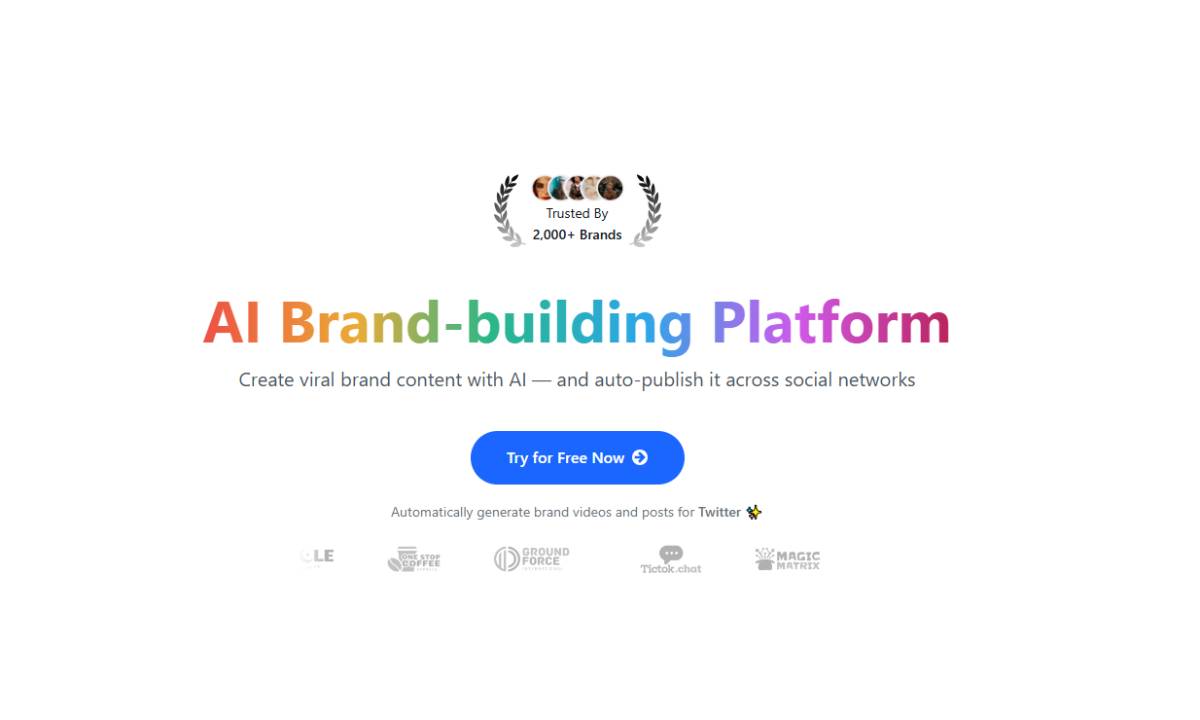
uBrand provides a digital platform designed to help organizations manage brand-related content and assets within a centralized environment.

August 11, 2026
|

uBrand is positioned within the growing digital brand-management market, helping organizations centralize and manage branded assets, content and marketing resources. Its approach addresses the increasing complexity businesses face as digital campaigns expand across channels, requiring stronger brand consistency, faster content workflows and greater control over how corporate identities are represented.

uBrand provides a digital platform designed to help organizations manage brand-related content and assets within a centralized environment. Its capabilities are intended to support the organization, distribution and use of branded materials across business and marketing activities.

Centralized brand management can help teams reduce fragmented asset storage and improve access to approved materials. This is particularly relevant for companies with multiple departments, locations or external partners producing customer-facing content.

The platform's broader relevance reflects growing demand for digital tools that connect branding with day-to-day marketing operations. For executives, effective brand management can support consistency, reduce duplicated work and help organizations maintain stronger control over corporate identity across increasingly complex digital channels.

The development aligns with a broader transformation in brand management. Companies today operate across websites, social platforms, advertising networks, email campaigns, presentations, digital marketplaces and other customer touchpoints. Each channel creates opportunities for inconsistent messaging or outdated visual assets.

Traditional brand-management processes often rely on shared folders, email attachments and manually maintained brand guidelines. These approaches can become difficult to manage as organizations grow and more employees or external agencies participate in content production.

Digital brand-management platforms seek to centralize approved assets and make them easier for teams to discover and use. This can improve workflow efficiency while helping organizations maintain consistent branding.

The issue has become increasingly important as content production accelerates. Marketing teams are expected to create more materials in shorter periods, increasing the need for organized asset libraries and streamlined approval processes.

For CXOs, brand management is ultimately linked to reputation and operational efficiency. A consistent corporate identity can strengthen customer recognition, while centralized asset management can reduce unnecessary production and coordination costs.

Brand and marketing specialists increasingly emphasize that brand consistency requires more than a static set of guidelines. Organizations need practical systems that allow employees and partners to access current, approved assets when producing customer-facing content.

uBrand's positioning reflects this shift toward operationalizing brand management through digital tools. Centralizing brand resources can help organizations reduce the risk of teams using outdated logos, messaging or marketing materials.

For executives, however, technology is only one component of effective brand governance. Organizations also need clearly defined approval processes, ownership responsibilities and rules governing how branded assets are used.

As content production becomes more distributed, external agencies, franchisees and regional teams may require controlled access to brand resources. Digital platforms can potentially provide that access while maintaining greater oversight.

Industry observers are also watching how brand-management platforms incorporate artificial intelligence, automated content generation and personalization. These capabilities could increase production speed while making governance even more important.

For businesses, centralized brand management can improve asset accessibility, reduce duplicated work and support greater consistency across marketing activities. Organizations with multiple teams or locations may benefit particularly from standardized brand resources.

For executives, stronger control over brand assets can reduce operational inefficiencies while protecting corporate identity. Faster access to approved materials may also help marketing teams respond more quickly to campaigns and market opportunities.

Partners and employees can benefit from clearer access to current resources and brand standards, reducing uncertainty during content creation. From a governance perspective, organizations should establish clear controls around brand ownership, asset approval, access permissions and intellectual property. As AI-generated content becomes more common, businesses may also need stronger policies governing the use of automated tools in branded communications.

Digital brand management is likely to become increasingly connected with content creation, artificial intelligence, marketing automation and collaboration platforms. Future systems may automatically recommend approved assets, identify brand inconsistencies and help teams maintain compliance with corporate guidelines.

Decision-makers should watch how effectively these platforms combine creative flexibility with governance. The strongest solutions will help organizations accelerate content production while maintaining a consistent, recognizable and strategically controlled brand identity.

Source: Crozdesk; uBrand
Date: August 11, 2026

  • Featured tools
Kreateable AI
Free

Kreateable AI is a white-label, AI-driven design platform that enables logo generation, social media posts, ads, and more for businesses, agencies, and service providers.

#
Logo Generator
Learn more
Outplay AI
Free

Outplay AI is a dynamic sales engagement platform combining AI-powered outreach, multi-channel automation, and performance tracking to help teams optimize conversion and pipeline generation.

#
Sales
Learn more

Learn more about future of AI

Join 80,000+ Ai enthusiast getting weekly updates on exciting AI tools.
Thank you! Your submission has been received!
Oops! Something went wrong while submitting the form.

uBrand Advances Digital Asset Management

August 11, 2026

uBrand provides a digital platform designed to help organizations manage brand-related content and assets within a centralized environment.

uBrand is positioned within the growing digital brand-management market, helping organizations centralize and manage branded assets, content and marketing resources. Its approach addresses the increasing complexity businesses face as digital campaigns expand across channels, requiring stronger brand consistency, faster content workflows and greater control over how corporate identities are represented.

uBrand provides a digital platform designed to help organizations manage brand-related content and assets within a centralized environment. Its capabilities are intended to support the organization, distribution and use of branded materials across business and marketing activities.

Centralized brand management can help teams reduce fragmented asset storage and improve access to approved materials. This is particularly relevant for companies with multiple departments, locations or external partners producing customer-facing content.

The platform's broader relevance reflects growing demand for digital tools that connect branding with day-to-day marketing operations. For executives, effective brand management can support consistency, reduce duplicated work and help organizations maintain stronger control over corporate identity across increasingly complex digital channels.

The development aligns with a broader transformation in brand management. Companies today operate across websites, social platforms, advertising networks, email campaigns, presentations, digital marketplaces and other customer touchpoints. Each channel creates opportunities for inconsistent messaging or outdated visual assets.

Traditional brand-management processes often rely on shared folders, email attachments and manually maintained brand guidelines. These approaches can become difficult to manage as organizations grow and more employees or external agencies participate in content production.

Digital brand-management platforms seek to centralize approved assets and make them easier for teams to discover and use. This can improve workflow efficiency while helping organizations maintain consistent branding.

The issue has become increasingly important as content production accelerates. Marketing teams are expected to create more materials in shorter periods, increasing the need for organized asset libraries and streamlined approval processes.

For CXOs, brand management is ultimately linked to reputation and operational efficiency. A consistent corporate identity can strengthen customer recognition, while centralized asset management can reduce unnecessary production and coordination costs.

Brand and marketing specialists increasingly emphasize that brand consistency requires more than a static set of guidelines. Organizations need practical systems that allow employees and partners to access current, approved assets when producing customer-facing content.

uBrand's positioning reflects this shift toward operationalizing brand management through digital tools. Centralizing brand resources can help organizations reduce the risk of teams using outdated logos, messaging or marketing materials.

For executives, however, technology is only one component of effective brand governance. Organizations also need clearly defined approval processes, ownership responsibilities and rules governing how branded assets are used.

As content production becomes more distributed, external agencies, franchisees and regional teams may require controlled access to brand resources. Digital platforms can potentially provide that access while maintaining greater oversight.

Industry observers are also watching how brand-management platforms incorporate artificial intelligence, automated content generation and personalization. These capabilities could increase production speed while making governance even more important.

For businesses, centralized brand management can improve asset accessibility, reduce duplicated work and support greater consistency across marketing activities. Organizations with multiple teams or locations may benefit particularly from standardized brand resources.

For executives, stronger control over brand assets can reduce operational inefficiencies while protecting corporate identity. Faster access to approved materials may also help marketing teams respond more quickly to campaigns and market opportunities.

Partners and employees can benefit from clearer access to current resources and brand standards, reducing uncertainty during content creation. From a governance perspective, organizations should establish clear controls around brand ownership, asset approval, access permissions and intellectual property. As AI-generated content becomes more common, businesses may also need stronger policies governing the use of automated tools in branded communications.

Digital brand management is likely to become increasingly connected with content creation, artificial intelligence, marketing automation and collaboration platforms. Future systems may automatically recommend approved assets, identify brand inconsistencies and help teams maintain compliance with corporate guidelines.

Decision-makers should watch how effectively these platforms combine creative flexibility with governance. The strongest solutions will help organizations accelerate content production while maintaining a consistent, recognizable and strategically controlled brand identity.

Source: Crozdesk; uBrand
Date: August 11, 2026

Promote Your Tool

Copy Embed Code

Similar Blogs

August 11, 2026
|

uBrand Advances Digital Asset Management

uBrand provides a digital platform designed to help organizations manage brand-related content and assets within a centralized environment.
Read more
August 11, 2026
|

Jamf Now Simplifies Apple Device Management

Jamf Now is designed to simplify mobile device management for organizations using Apple hardware.
Read more
August 11, 2026
|

Connecteam Advances Digital Workforce Management

Connecteam provides a workforce-management platform designed to support businesses with employees who spend much of their working time away from traditional desks.
Read more
August 11, 2026
|

ADP Vantage Advances Enterprise Workforce Management

ADP Vantage HCM is positioned as an enterprise human capital management solution designed to support organizations with complex workforce requirements.
Read more
August 11, 2026
|

OnceHub Advances Automated Business Scheduling

OnceHub provides scheduling and appointment-management capabilities designed to help organizations automate the process of arranging meetings and customer appointments.
Read more
August 11, 2026
|

BlueConic Advances Customer Data Management

BlueConic provides a customer data platform designed to help organizations collect, unify and activate customer information from multiple sources.
Read more