



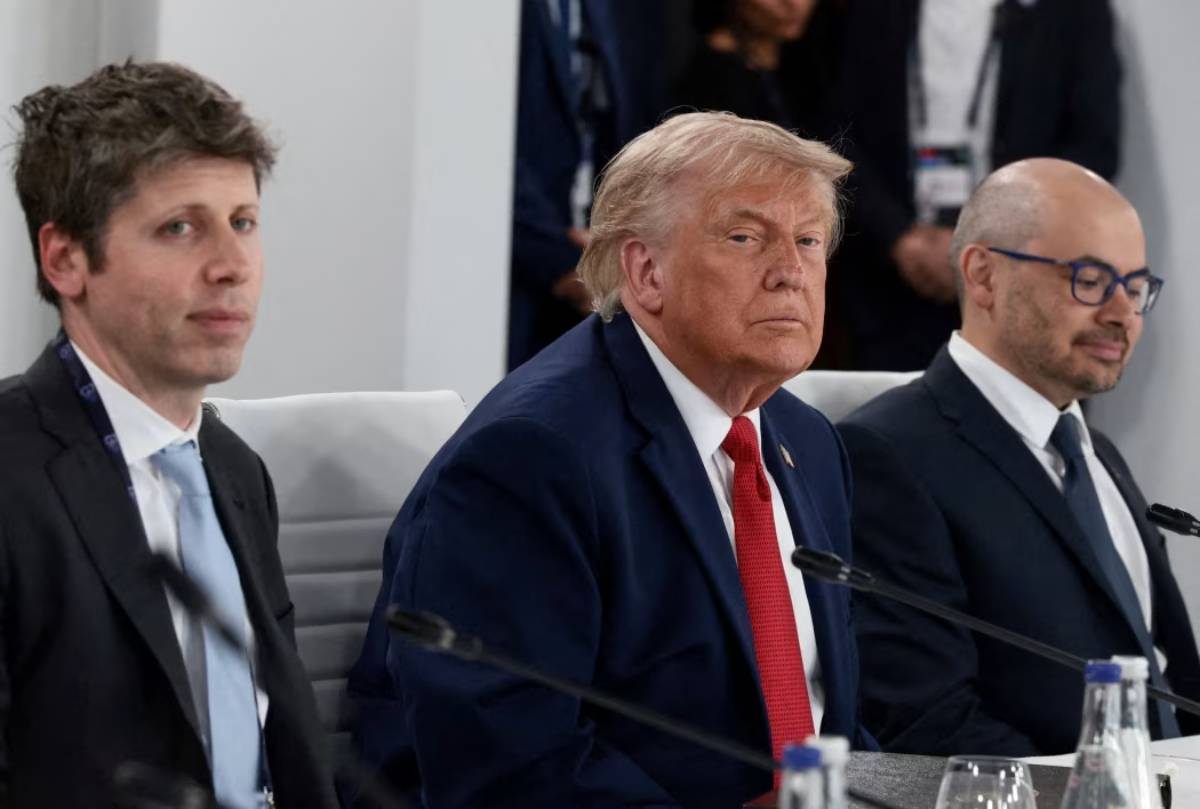
A major development unfolded at the G7 summit as U.S. President Donald Trump indicated that negotiations with AI startup Anthropic remain active following the company's suspension of advanced AI model access amid security concerns. The discussions have elevated AI governance to a top geopolitical issue, with implications for technology leadership, international cooperation, and the future distribution of advanced artificial intelligence capabilities across global markets.
The issue emerged after Anthropic restricted access to some of its most advanced AI models following U.S. government security directives and ongoing discussions regarding access controls for frontier AI systems.
President Trump stated that negotiations with Anthropic were progressing positively while attending meetings with G7 leaders and technology executives. The talks involved government officials, AI developers, and policymakers seeking to establish frameworks for managing advanced AI technologies.
The development comes as major economies attempt to balance innovation with national security concerns. Governments are increasingly evaluating how powerful AI systems should be distributed internationally and what safeguards should govern access. The discussions have quickly become a focal point of broader debates surrounding AI competitiveness, technological sovereignty, and global regulatory coordination.
The development aligns with a broader trend across global markets where artificial intelligence is increasingly viewed as a strategic national asset. Similar to semiconductors, telecommunications infrastructure, and cybersecurity technologies, advanced AI models are now becoming subjects of geopolitical competition and policy oversight.
Over the past several years, governments worldwide have accelerated efforts to establish AI governance frameworks addressing issues such as safety, transparency, security, and economic competitiveness. At the same time, leading AI companies have rapidly expanded the capabilities of foundation models, creating both commercial opportunities and regulatory concerns.
The Anthropic discussions highlight growing tensions between maintaining open innovation ecosystems and implementing safeguards around technologies that could influence national security, critical infrastructure, and economic resilience. As AI becomes central to productivity and competitiveness, governments increasingly view access to advanced models as a matter of strategic importance rather than solely a commercial issue.
The G7's involvement signals that AI governance is evolving into a global diplomatic priority. President Trump’s remarks suggesting that negotiations are “going fine” indicate a willingness among policymakers and industry leaders to seek compromise rather than pursue prolonged restrictions. While specific details remain limited, the discussions reflect increasing recognition that AI policy decisions can have global consequences.
Industry observers note that the challenge facing governments is balancing innovation with risk management. Excessively restrictive policies could slow technological adoption and international collaboration, while insufficient oversight may raise concerns regarding misuse, cybersecurity threats, and national security vulnerabilities.
Technology executives attending G7-related discussions have broadly advocated for coordinated international approaches rather than fragmented national regulations. Many industry leaders argue that consistent standards would help businesses deploy AI more confidently across markets while reducing uncertainty.
Analysts also point out that the outcome of these negotiations could establish an important precedent for how future generations of advanced AI systems are governed. The decisions made today may influence future policies regarding model access, licensing, deployment standards, and international AI partnerships.
For global executives, the negotiations underscore a critical reality: access to advanced AI capabilities may increasingly be shaped by geopolitical considerations alongside market forces.
Businesses investing heavily in AI-driven transformation initiatives must now account for evolving regulatory frameworks and potential access restrictions. Organizations operating across multiple jurisdictions may face new compliance requirements as governments introduce rules governing AI deployment and data security.
Investors are closely monitoring developments because policy decisions could influence competitive dynamics across the technology sector. Companies with privileged access to frontier AI systems may gain significant advantages in productivity, innovation, and market positioning.
For policymakers, the discussions highlight the need to create governance frameworks that encourage innovation while protecting national interests. Achieving this balance will remain one of the defining challenges of the AI era.
Decision-makers should closely monitor whether the G7 discussions lead to formal agreements on AI governance, trusted access frameworks, or coordinated regulatory standards. The outcome of ongoing negotiations with Anthropic could become an influential model for future interactions between governments and AI developers.
As artificial intelligence becomes increasingly central to economic growth and national competitiveness, the balance between openness, security, and innovation will likely define the next chapter of global technology leadership.
Source: The Wall Street Journal
Date: June 18, 2026


