



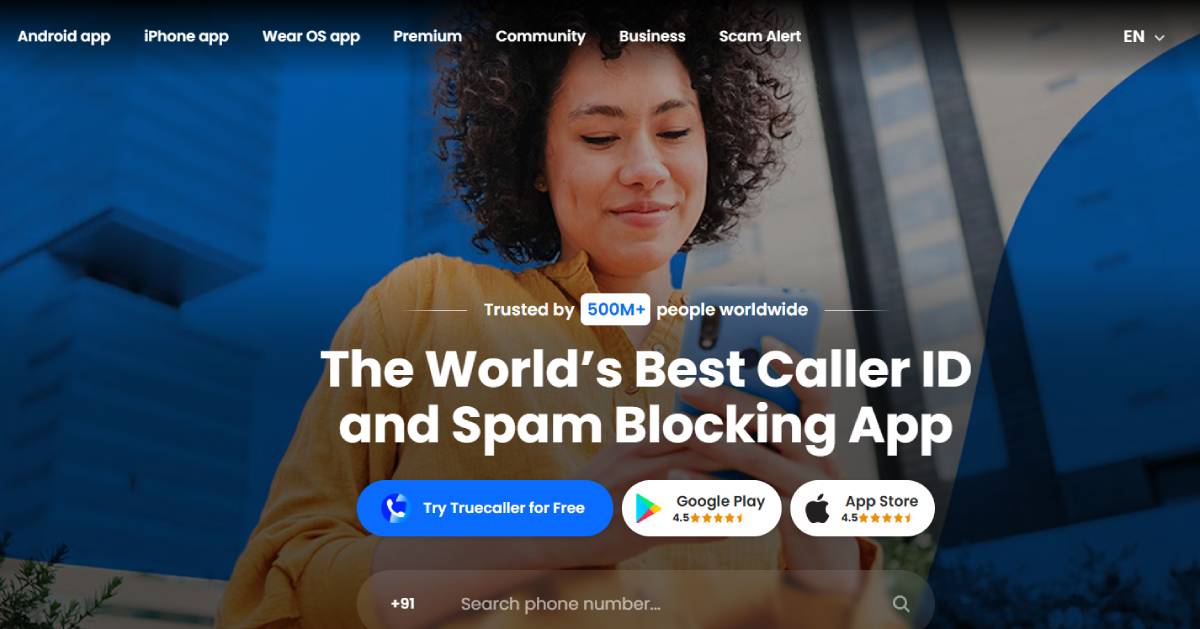
Truecaller is expanding beyond caller identification by entering the global travel connectivity market with its travel eSIM offering. The move represents a strategic shift toward leveraging consumer trust as a competitive advantage in international roaming. By entering 29 markets, the company aims to simplify mobile connectivity for travelers while building new digital service opportunities.
Truecaller’s travel eSIM service provides users with digital connectivity solutions designed for international travel without requiring physical SIM cards. The launch expands the company’s ecosystem beyond its traditional identity verification and communication services.
The initiative targets travelers seeking convenient, affordable roaming alternatives as eSIM adoption accelerates globally. By using its established consumer trust and large user base, Truecaller is positioning itself in a competitive market dominated by telecom operators and specialized travel connectivity providers.
The move reflects a broader strategy among technology companies to diversify revenue streams by introducing value-added services connected to existing user relationships and digital platforms.
The global telecommunications industry is undergoing significant change as eSIM technology transforms how consumers access mobile connectivity. Unlike traditional SIM cards, eSIMs allow users to activate digital mobile plans instantly, making international travel easier and reducing dependence on physical telecom infrastructure.
The growth of remote work, international travel, and digital lifestyles has increased demand for flexible connectivity solutions. Technology companies are increasingly exploring opportunities beyond their original products by using trusted consumer relationships to enter adjacent markets.
Truecaller built its reputation around digital trust, identity protection, and communication safety. Expanding into travel connectivity represents an attempt to apply that trust-based relationship to another everyday consumer need. The move also reflects a wider industry trend where software companies compete with traditional telecom providers by delivering simpler, user-focused digital experiences.
Industry analysts suggest that trust and user experience are becoming increasingly important differentiators in digital services. While telecom connectivity has traditionally been controlled by mobile operators, technology platforms with strong consumer relationships are creating new competition through simplified digital solutions.
Experts note that eSIM adoption could accelerate as more smartphones support embedded connectivity and consumers become comfortable managing mobile services digitally. Companies entering this market must compete on pricing, coverage, reliability, and customer support.
Truecaller’s advantage lies in its existing brand recognition and user trust, particularly among consumers who already rely on its platform for safer communication. However, analysts highlight that success will depend on whether the company can translate trust in identity services into confidence in connectivity services.
The launch represents a strategic experiment in expanding a digital ecosystem beyond its original category. For technology companies, Truecaller’s expansion demonstrates the value of leveraging existing customer relationships to enter adjacent markets. Businesses with strong consumer trust may find opportunities to diversify revenue through complementary digital services.
For telecom operators, the growth of eSIM platforms introduces new competition and encourages innovation in mobile connectivity offerings. Traditional providers may need to improve digital experiences and develop more flexible international solutions.
Consumers benefit from greater choice, easier travel connectivity, and potentially lower roaming costs. Policymakers and regulators will need to monitor evolving digital connectivity markets while ensuring competition, consumer protection, and data security standards remain strong.
Truecaller’s travel eSIM strategy highlights the growing convergence between communication platforms, digital identity, and connectivity services. Future success will depend on adoption rates, network partnerships, and the company’s ability to compete in a crowded market. As consumers increasingly expect seamless digital experiences, companies that combine trust, convenience, and accessibility may gain an advantage in the next phase of global connectivity.
Source: NordicTech News
Date: July 2026


