
TriNet Advances Integrated Workforce Management

TriNet provides businesses with a technology-enabled platform and professional services designed to support core workforce-management activities.

August 12, 2026
|

TriNet is strengthening its position in the business workforce-management landscape by providing organizations with integrated solutions spanning human resources, payroll, benefits and compliance. Its approach addresses growing pressure on companies to streamline workforce administration while adapting to changing employment regulations, talent expectations and increasingly complex operational requirements.

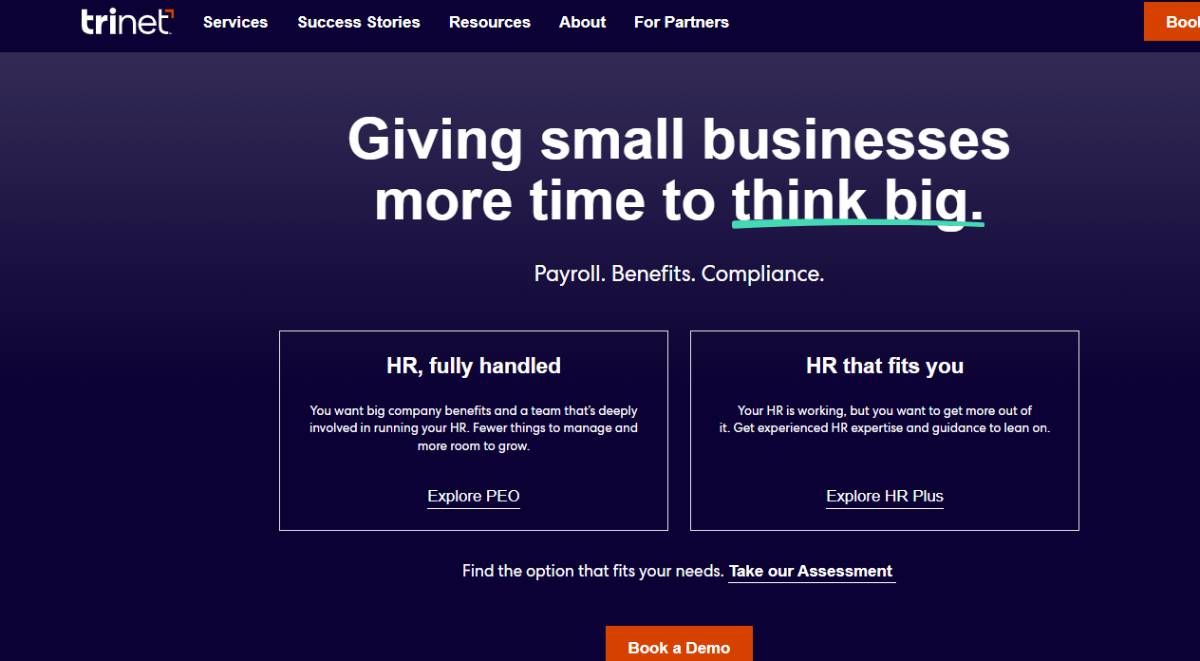
TriNet provides businesses with a technology-enabled platform and professional services designed to support core workforce-management activities. Its offering brings together areas such as payroll administration, employee benefits, human resources support, compliance and workforce-related processes.

The model is particularly relevant for small and midsize businesses seeking access to structured HR capabilities without building large internal administrative teams. Centralizing workforce functions can help organizations reduce fragmented processes and improve visibility into employee-related operations. It can also support more consistent handling of payroll, benefits and regulatory requirements.

For executives, the broader value lies in reducing administrative complexity while allowing leadership teams to focus more closely on growth, workforce planning and business performance.

The development aligns with a wider transformation in workforce management as businesses face increasingly complex employment environments. Organizations must balance compensation, benefits, compliance, employee experience and workforce productivity while responding to changing labor-market conditions.

Small and midsize businesses can face particular challenges because they often have fewer specialized HR and compliance resources than large enterprises. Outsourced and technology-enabled workforce solutions can provide access to capabilities that might otherwise require significant internal investment.

The growth of distributed and hybrid work has further increased the importance of centralized workforce administration. Employers must manage employees across locations while maintaining consistent policies and meeting applicable regulatory obligations.

At the same time, employees increasingly expect competitive benefits, streamlined digital services and responsive HR support. These expectations place additional pressure on businesses to modernize workforce processes.

For CXOs, workforce management has therefore evolved beyond payroll administration. It has become a strategic function connected to cost control, employee retention, compliance risk and organizational growth.

Workforce-management specialists increasingly view integrated HR platforms as an important mechanism for reducing administrative fragmentation. Combining technology with professional support can help businesses manage routine workforce processes while maintaining greater visibility into employee operations.

TriNet's positioning reflects this broader shift toward integrated workforce services for growing businesses. A centralized approach can potentially simplify coordination between payroll, benefits, HR administration and compliance activities.

For business leaders, however, technology adoption must be evaluated alongside service quality, data security and regulatory requirements. Workforce platforms handle sensitive employee information, making privacy and cybersecurity important considerations.

The changing regulatory environment also increases the value of reliable HR processes. Employers operating across multiple jurisdictions may need to monitor different employment, payroll and benefits requirements.

Industry observers are also watching the integration of artificial intelligence and automation into HR operations. Automated workflows could reduce repetitive administrative tasks, but organizations will still need human oversight for sensitive employment decisions and compliance matters.

For businesses, integrated workforce management can reduce administrative workloads and create more consistent processes across payroll, benefits and HR operations. This may be especially valuable for companies scaling their employee base without proportionally expanding internal HR teams.

For executives, outsourcing selected workforce functions can provide greater operational flexibility while helping manage compliance and administrative costs. Employees may benefit from more streamlined access to benefits, payroll information and HR services.

From a policy perspective, businesses must continue adapting to changing employment regulations, wage requirements, benefits rules and data-protection obligations. Organizations should also establish clear governance around employee information and automated HR processes.

For investors and corporate leaders, workforce-management efficiency can influence operating costs, compliance exposure and the ability to scale. The strategic priority will increasingly be finding the right balance between automation, professional expertise and employee experience.

Workforce management is likely to become increasingly automated and data-driven as HR platforms incorporate artificial intelligence, analytics and digital employee services. Future solutions may provide more predictive insights into workforce costs, compliance risks and talent requirements.

Decision-makers should watch how providers combine automation with security, regulatory expertise and human support. For growing businesses, the strongest workforce platforms will be those that simplify administration without sacrificing flexibility, compliance or employee trust.

Source: Crozdesk; TriNet
Date: August 12, 2026

  • Featured tools
Symphony Ayasdi AI
Free

SymphonyAI Sensa is an AI-powered surveillance and financial crime detection platform that surfaces hidden risk behavior through explainable, AI-driven analytics.

#
Finance
Learn more
WellSaid Ai
Free

WellSaid AI is an advanced text-to-speech platform that transforms written text into lifelike, human-quality voiceovers.

#
Text to Speech
Learn more

Learn more about future of AI

Join 80,000+ Ai enthusiast getting weekly updates on exciting AI tools.
Thank you! Your submission has been received!
Oops! Something went wrong while submitting the form.

TriNet Advances Integrated Workforce Management

August 12, 2026

TriNet provides businesses with a technology-enabled platform and professional services designed to support core workforce-management activities.

TriNet is strengthening its position in the business workforce-management landscape by providing organizations with integrated solutions spanning human resources, payroll, benefits and compliance. Its approach addresses growing pressure on companies to streamline workforce administration while adapting to changing employment regulations, talent expectations and increasingly complex operational requirements.

TriNet provides businesses with a technology-enabled platform and professional services designed to support core workforce-management activities. Its offering brings together areas such as payroll administration, employee benefits, human resources support, compliance and workforce-related processes.

The model is particularly relevant for small and midsize businesses seeking access to structured HR capabilities without building large internal administrative teams. Centralizing workforce functions can help organizations reduce fragmented processes and improve visibility into employee-related operations. It can also support more consistent handling of payroll, benefits and regulatory requirements.

For executives, the broader value lies in reducing administrative complexity while allowing leadership teams to focus more closely on growth, workforce planning and business performance.

The development aligns with a wider transformation in workforce management as businesses face increasingly complex employment environments. Organizations must balance compensation, benefits, compliance, employee experience and workforce productivity while responding to changing labor-market conditions.

Small and midsize businesses can face particular challenges because they often have fewer specialized HR and compliance resources than large enterprises. Outsourced and technology-enabled workforce solutions can provide access to capabilities that might otherwise require significant internal investment.

The growth of distributed and hybrid work has further increased the importance of centralized workforce administration. Employers must manage employees across locations while maintaining consistent policies and meeting applicable regulatory obligations.

At the same time, employees increasingly expect competitive benefits, streamlined digital services and responsive HR support. These expectations place additional pressure on businesses to modernize workforce processes.

For CXOs, workforce management has therefore evolved beyond payroll administration. It has become a strategic function connected to cost control, employee retention, compliance risk and organizational growth.

Workforce-management specialists increasingly view integrated HR platforms as an important mechanism for reducing administrative fragmentation. Combining technology with professional support can help businesses manage routine workforce processes while maintaining greater visibility into employee operations.

TriNet's positioning reflects this broader shift toward integrated workforce services for growing businesses. A centralized approach can potentially simplify coordination between payroll, benefits, HR administration and compliance activities.

For business leaders, however, technology adoption must be evaluated alongside service quality, data security and regulatory requirements. Workforce platforms handle sensitive employee information, making privacy and cybersecurity important considerations.

The changing regulatory environment also increases the value of reliable HR processes. Employers operating across multiple jurisdictions may need to monitor different employment, payroll and benefits requirements.

Industry observers are also watching the integration of artificial intelligence and automation into HR operations. Automated workflows could reduce repetitive administrative tasks, but organizations will still need human oversight for sensitive employment decisions and compliance matters.

For businesses, integrated workforce management can reduce administrative workloads and create more consistent processes across payroll, benefits and HR operations. This may be especially valuable for companies scaling their employee base without proportionally expanding internal HR teams.

For executives, outsourcing selected workforce functions can provide greater operational flexibility while helping manage compliance and administrative costs. Employees may benefit from more streamlined access to benefits, payroll information and HR services.

From a policy perspective, businesses must continue adapting to changing employment regulations, wage requirements, benefits rules and data-protection obligations. Organizations should also establish clear governance around employee information and automated HR processes.

For investors and corporate leaders, workforce-management efficiency can influence operating costs, compliance exposure and the ability to scale. The strategic priority will increasingly be finding the right balance between automation, professional expertise and employee experience.

Workforce management is likely to become increasingly automated and data-driven as HR platforms incorporate artificial intelligence, analytics and digital employee services. Future solutions may provide more predictive insights into workforce costs, compliance risks and talent requirements.

Decision-makers should watch how providers combine automation with security, regulatory expertise and human support. For growing businesses, the strongest workforce platforms will be those that simplify administration without sacrificing flexibility, compliance or employee trust.

Source: Crozdesk; TriNet
Date: August 12, 2026

Promote Your Tool

Copy Embed Code

Similar Blogs

August 12, 2026
|

MoonClerk Advances Digital Payment Management

MoonClerk operates within the digital payments and online billing ecosystem, addressing business needs around collecting payments and managing recurring transactions.
Read more
August 12, 2026
|

Hypertune Advances Intelligent Performance Optimization

Hypertune is positioned within the emerging technology landscape focused on software performance optimization and experimentation.
Read more
August 12, 2026
|

Viewpoint Spectrum Drives Smarter Decisio

Viewpoint Spectrum is positioned around the need to organize and understand multiple viewpoints within professional environments.
Read more
August 12, 2026
|

iLobby Advances Modern Visitor Management

iLobby provides digital visitor management capabilities designed to replace manual sign-in processes with a more structured and automated experience.
Read more
August 12, 2026
|

Office Space Software Reshapes Workplace Strategy

Modern office space management platforms bring together tools for desk booking, meeting-room scheduling, workplace reservations, occupancy monitoring and facility coordination.
Read more
August 12, 2026
|

Duplicate Photos Fixer Advances Photo Management

The software is designed to scan photo collections and identify duplicate or visually similar images, helping users reduce unnecessary storage consumption.
Read more