



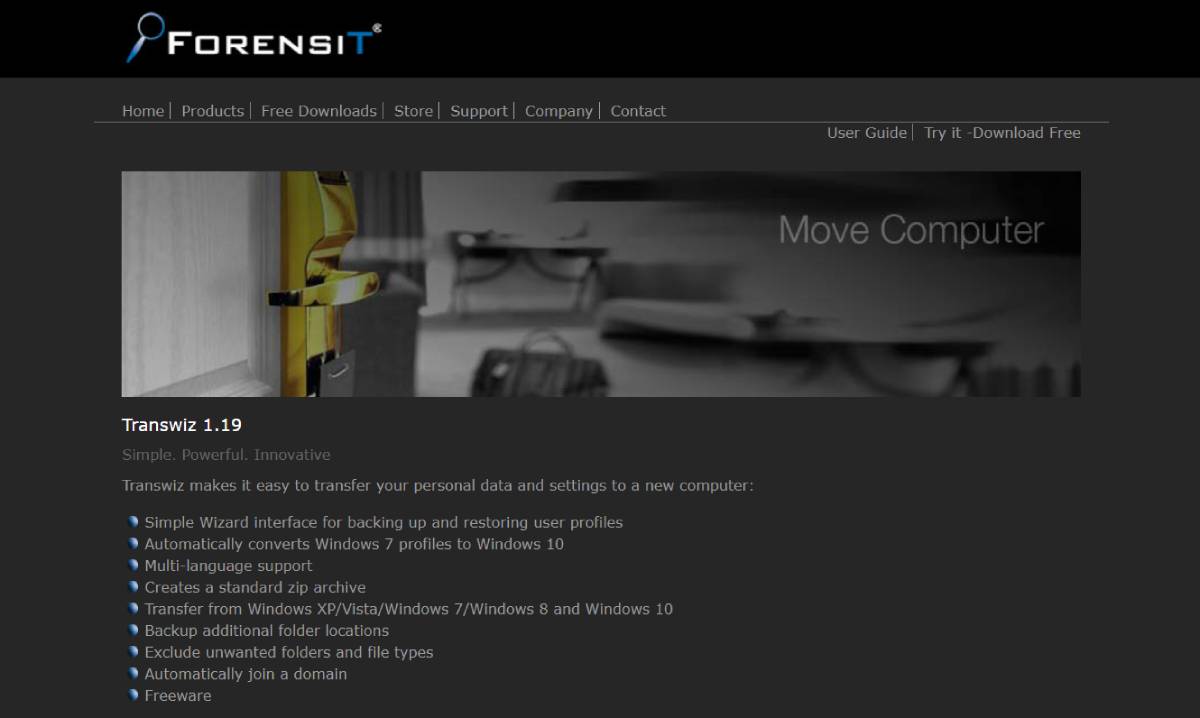
As organizations modernize their IT environments, efficient user profile migration has become a critical operational priority. Transwiz highlights the growing demand for reliable Windows data transfer solutions that help businesses simplify system upgrades, employee transitions, and device replacements while reducing downtime and improving enterprise productivity.
Transwiz is designed to assist users and IT teams in transferring Windows user profiles, settings, and personal data between computers. The software supports organizations managing hardware upgrades, system migrations, employee onboarding, and infrastructure transitions.
Key stakeholders include enterprise IT departments, managed service providers, system administrators, small businesses, and organizations undergoing digital workplace transformation. As companies continue upgrading operating systems and replacing aging hardware, migration tools remain essential for maintaining productivity and minimizing disruption.
The platform reflects a broader shift toward simplified IT management solutions that enable faster deployment, smoother transitions, and improved control over workplace technology environments.
Enterprise technology environments are continuously evolving as organizations adopt modern devices, updated operating systems, and hybrid workplace models. During these transitions, moving user data and personalized settings efficiently has become a significant challenge for IT teams.
This development aligns with a broader trend across global markets where businesses are prioritizing automation, operational efficiency, and seamless digital workplace experiences. Hardware refresh cycles, cloud adoption, cybersecurity requirements, and remote workforce expansion have increased demand for tools that simplify migration processes.
While many organizations are shifting toward cloud-based identity and storage platforms, local profile migration remains important for businesses managing Windows-based environments. Reliable migration solutions help reduce operational interruptions, improve employee experiences, and support large-scale technology upgrades without extensive manual intervention.
IT infrastructure analysts emphasize that effective migration strategies are essential for maintaining business continuity during technology upgrades. Poorly managed transitions can result in lost productivity, configuration issues, and increased support costs.
Enterprise technology specialists note that user profile migration tools continue to provide value, particularly for organizations with large Windows deployments, distributed teams, and complex device management requirements. These solutions help IT professionals standardize migration processes while reducing administrative workloads.
Digital workplace consultants also highlight the importance of combining migration tools with broader IT governance strategies, including cybersecurity controls, backup procedures, and centralized device management. As organizations continue modernizing their technology environments, migration efficiency will remain a key factor in successful digital transformation initiatives.
For businesses, streamlined migration solutions can reduce downtime, improve employee productivity, and lower the operational costs associated with technology upgrades. Organizations managing frequent hardware replacements or workforce changes may benefit from standardized migration processes.
Investors continue tracking enterprise software and IT management markets as companies increase spending on workplace modernization and automation. Policymakers remain focused on cybersecurity, data protection, and responsible management of digital workplace infrastructure.
For executives, effective migration planning should be viewed as part of broader technology strategy, ensuring that modernization efforts deliver measurable operational value while protecting critical business data.
Demand for efficient migration and IT management solutions is expected to remain strong as organizations continue updating devices, adopting cloud technologies, and modernizing workplace systems. Decision-makers should monitor developments in automation, identity management, cybersecurity, and enterprise mobility. Companies that combine reliable migration processes with comprehensive digital workplace strategies will be better positioned to manage technology transitions efficiently.
Source: AlternativeTo
Date: July 31, 2026


