



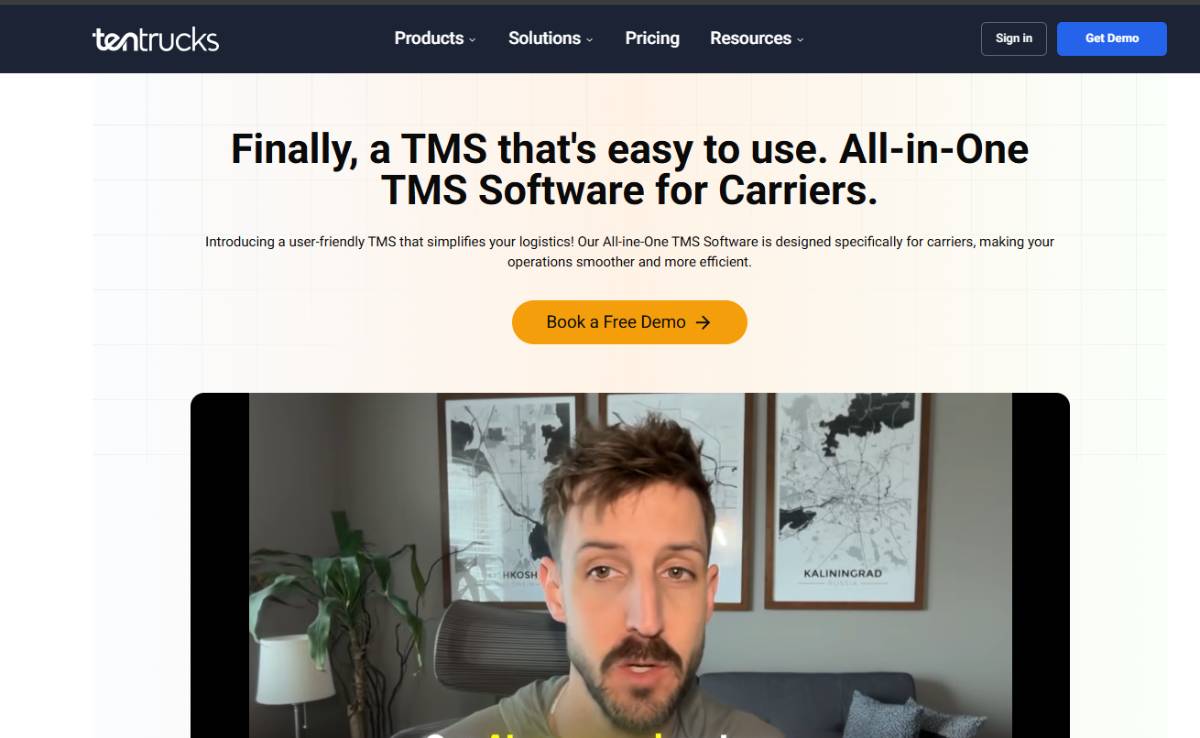
Transport management systems are reshaping how businesses coordinate fleets, shipments, routes and delivery operations. As logistics networks become more complex, digital transportation platforms are helping organizations improve visibility, automate workflows and control operating costs. The shift is particularly significant for fleet operators and enterprises seeking greater efficiency, responsiveness and data-driven decision-making.
Modern transport management systems bring multiple logistics functions into a centralized digital environment. Core capabilities typically include dispatch management, route planning, shipment scheduling, vehicle tracking, order management, fleet monitoring and operational reporting.
The technology enables managers to coordinate drivers, vehicles and deliveries while maintaining greater visibility across transportation activities. Mobile accessibility can further connect drivers and dispatch teams in real time.
Integration with accounting platforms, telematics systems, electronic logging devices and fleet-management tools is also becoming increasingly important. By connecting operational and financial data, businesses can reduce fragmented workflows and improve coordination between transportation, finance and management teams.
The rise of transportation management technology reflects a broader transformation across the global logistics industry. Businesses are operating amid tighter delivery expectations, volatile fuel costs, labor pressures, supply-chain disruptions and increasingly complex transportation networks.
Traditional spreadsheets and disconnected systems can make it difficult for managers to understand fleet performance or respond quickly to changing conditions. Transportation management platforms address this challenge by consolidating planning, execution and monitoring into a single operational framework.
The industry is also moving toward predictive and intelligent logistics. Artificial intelligence, automation and advanced analytics are increasingly being applied to route optimization, demand forecasting, fleet utilization and exception management.
For executives, the strategic value extends beyond transportation. More accurate logistics data can influence inventory planning, customer service, financial forecasting and broader supply-chain resilience. Transportation technology is therefore becoming an important component of enterprise digital transformation.
Industry analysts increasingly view transportation management systems as strategic infrastructure rather than standalone fleet software. The emphasis is shifting from simply tracking vehicles toward optimizing the entire movement of goods.
Technology-enabled route optimization can help businesses identify more efficient delivery patterns, while real-time visibility allows managers to respond to delays, congestion and operational disruptions more quickly. Automated scheduling can also reduce repetitive administrative work for dispatch teams.
Another emerging priority is the integration of transportation data with wider enterprise systems. When fleet, accounting, inventory and customer information are connected, executives gain a more comprehensive view of operational performance.
The next phase of development is expected to involve greater use of AI-assisted recommendations and predictive analytics. Rather than replacing transportation managers, these technologies can support human decision-making by identifying patterns, highlighting exceptions and recommending operational adjustments.
For businesses, transportation management systems can create measurable opportunities to improve fleet utilization, reduce unnecessary mileage, strengthen delivery visibility and control logistics expenses. These capabilities can be particularly valuable for companies managing large or geographically distributed transportation operations.
For investors and corporate leaders, the technology also represents a potential pathway toward more resilient supply chains. Better data can improve forecasting and help organizations identify operational bottlenecks before they become costly disruptions.
Consumers may benefit indirectly through improved delivery reliability and greater shipment visibility. Meanwhile, governments and regulators face growing questions around transportation data, cybersecurity, driver privacy, emissions reporting and digital compliance.
Executives should therefore evaluate transportation platforms not only on features, but also on scalability, integration, security, analytics capabilities and measurable business outcomes.
Transportation management systems are likely to become increasingly intelligent, connected and automated as logistics organizations pursue greater efficiency and resilience. Decision-makers should watch the development of AI-powered routing, predictive fleet management, real-time visibility and deeper enterprise integration. The competitive advantage will increasingly come from transforming transportation data into faster operational decisions, lower costs and more adaptable supply chains.
Source: Crozdesk
Date: August 10, 2026


