



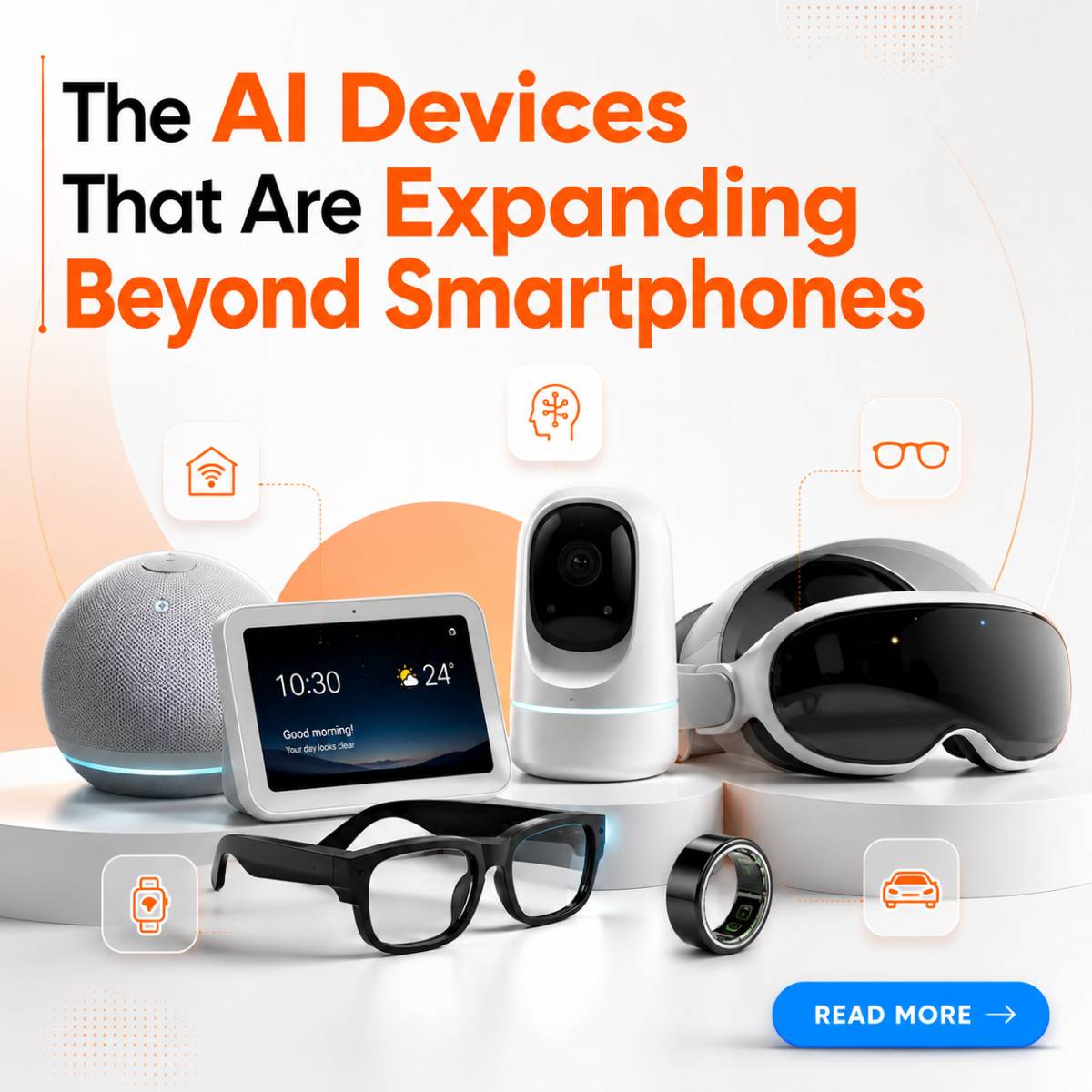
Artificial intelligence has become one of the biggest drivers of innovation in consumer technology. For years, smartphones have been the primary way people interact with AI, whether through voice assistants, navigation apps, translation tools, or photo editing features. However, the technology landscape is changing. AI is beginning to appear in a much wider range of devices that fit naturally into everyday life.
Instead of depending on a single screen, consumers can now access AI through wearable technology, smart home products, connected vehicles, and personal devices that work together. This shift is creating a more flexible digital experience while opening new opportunities for businesses developing the next generation of consumer electronics.
Smart Glasses Are Moving Into the Mainstream
Wearable technology has evolved significantly over the past few years. Early smart glasses often appealed only to technology enthusiasts, but newer models focus on combining practical features with everyday design. They allow users to take photos, listen to audio, ask AI powered questions, receive navigation guidance, and communicate without constantly reaching for a phone. This approach makes technology feel less intrusive while helping users stay engaged with the people and places around them.
AI Earbuds Are Becoming Everyday Assistants
Wireless earbuds are no longer just for listening to music. Many now include AI powered voice assistants, live language translation, adaptive sound adjustments, and intelligent noise cancellation. These features help users communicate more easily while traveling, working, or studying. As voice recognition continues to improve, earbuds are becoming another convenient way to access AI without relying on a smartphone display.
Smart Home Devices Continue to Get Smarter
Artificial intelligence is also changing how people interact with their homes. Smart speakers and displays can manage schedules, answer questions, control connected appliances, and automate daily routines. AI helps these devices understand user preferences over time, making interactions feel more personalized and efficient. Instead of simply responding to commands, future home assistants are expected to anticipate needs based on habits and context.
Wearable Health Technology Is Expanding
Health focused devices have become much more capable than simple fitness trackers. Modern wearables monitor activity levels, sleep quality, heart rate, and other health related information throughout the day. AI helps analyze these patterns and provide insights that encourage healthier daily habits. Although these products are not medical devices, they give users more information about their overall wellness and help them identify long term trends.
Connected Vehicles Are Becoming Smarter
Artificial intelligence is playing an increasingly important role in transportation. Modern vehicles can recommend efficient routes, recognize voice commands, monitor driving conditions, and support advanced driver assistance features. Some systems even learn driver preferences and automatically adjust settings for comfort and convenience. As automotive technology develops, AI will continue improving both safety and the overall driving experience.
Wearables Are Creating New Consumer Expectations
Today's consumers expect technology to fit naturally into their routines. Instead of stopping what they are doing to check a phone, many people prefer devices that deliver useful information while allowing them to stay focused on the task at hand. This demand is encouraging manufacturers to develop products that are smaller, lighter, and easier to use throughout the day. Wearable AI is becoming part of this broader movement toward more seamless digital experiences.
Choice Is Becoming Just as Important as Innovation
As wearable technology becomes more popular, consumers are looking for products that match both their lifestyle and personal style. Instead of offering a single design, manufacturers are expanding their product lines to appeal to different preferences.AI powered eyewear like Ray-Ban Meta glasses collection is evolving beyond a single device into a broader range of frame styles and options. This allows users to choose wearable technology that feels like a natural part of their everyday wardrobe rather than a specialized gadget. Offering more choice may play an important role in encouraging wider adoption of AI wearables.
AI Devices Work Better Together
The future of consumer technology is not about replacing smartphones. Instead, different AI devices are beginning to complement one another. A person might use smart glasses for navigation, earbuds for translation, a smartwatch for health tracking, and a smartphone for more complex tasks. Together, these devices create an ecosystem where information moves smoothly between products. Artificial intelligence helps coordinate these interactions, making technology more convenient without requiring constant attention.
Privacy Will Continue to Shape Adoption
As AI devices become more common, privacy remains an important consideration. Many products rely on cameras, microphones, location data, or cloud processing to deliver advanced features. Consumers increasingly want clear explanations of what information is collected, how it is stored, and how it is protected. Companies that prioritize transparency and security are likely to build stronger trust with their customers.
New Markets Are Emerging Around AI Hardware
The growth of AI devices is creating opportunities far beyond hardware manufacturing. Software developers, accessory makers, app creators, and service providers are all building products designed specifically for connected AI ecosystems. Businesses that identify practical uses for wearable technology may find new markets as adoption continues to increase. This expanding ecosystem is likely to encourage even more innovation over the coming years.
Looking Ahead
Artificial intelligence is gradually becoming available wherever people need it, not just inside a smartphone. As wearables, connected homes, smart vehicles, and personal assistants continue to improve, users will have more ways to interact with technology naturally throughout the day. Rather than replacing existing devices, AI is helping create a connected environment where each product performs the tasks it handles best.
The expansion of AI beyond smartphones marks an important shift in consumer technology. Wearables, home assistants, connected vehicles, and health devices are giving people more convenient ways to access information and complete everyday tasks.
As manufacturers continue improving both functionality and design, AI devices are becoming less about individual gadgets and more about creating connected experiences. Consumers can expect a future where technology blends more naturally into daily life, offering assistance when needed while staying largely in the background.


