
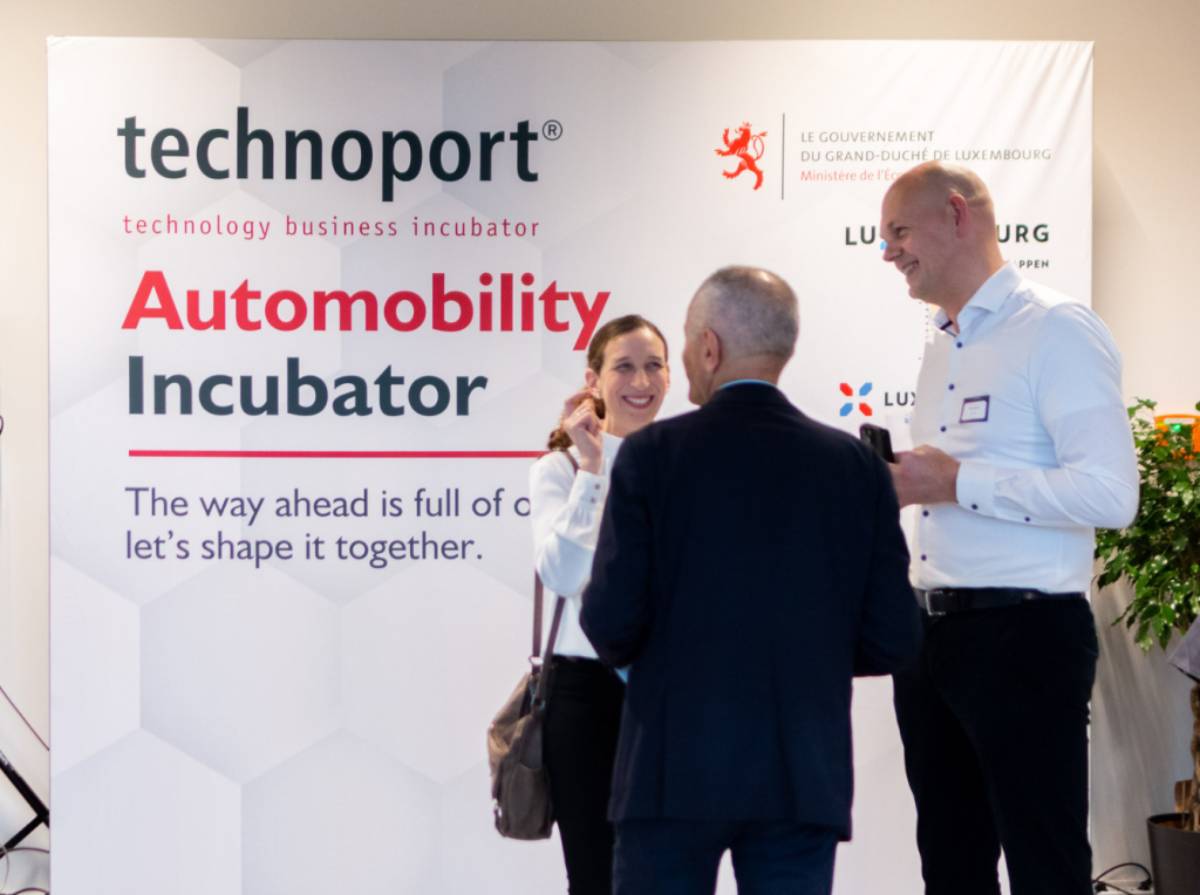
Technoport Drives Luxembourg Deep-Tech Growth

The 2026 roadmap for Technoport's Automobility Incubator focuses on expanding support for deep-tech startups developing advanced mobility, automotive technologies, robotics, artificial intelligence, industrial automation.

July 2, 2026
|
Image Source: Silicon Luxembourg

Luxembourg is strengthening its position in Europe's deep-tech ecosystem through an ambitious 2026 expansion strategy for the Technoport Automobility Incubator in Bissen. The initiative aims to accelerate innovation in advanced mobility, industrial technologies, and smart manufacturing, reinforcing the country's long-term competitiveness in high-value technology sectors.

The 2026 roadmap for Technoport's Automobility Incubator focuses on expanding support for deep-tech startups developing advanced mobility, automotive technologies, robotics, artificial intelligence, industrial automation, and sustainable manufacturing solutions.

Located in Bissen, the incubator seeks to strengthen collaboration among entrepreneurs, researchers, investors, industry partners, and public institutions to accelerate commercialization of emerging technologies. The initiative reflects Luxembourg's broader strategy to foster innovation-led economic growth by providing startups with infrastructure, mentoring, business development resources, and access to international markets.

Industry observers view the program as a catalyst for attracting high-potential technology companies to the region. Deep technology has become an increasingly important driver of economic competitiveness as governments seek to strengthen advanced manufacturing, digital sovereignty, clean mobility, and industrial innovation. Unlike traditional software startups, deep-tech companies typically develop technologies rooted in scientific research, engineering, artificial intelligence, robotics, semiconductors, and advanced materials.

Across Europe, policymakers are investing in innovation ecosystems that connect research institutions with entrepreneurs and industry to accelerate commercialization. Incubators and technology parks play an important role in reducing barriers faced by early-stage companies developing complex technologies requiring significant research, testing, and capital investment.

Luxembourg has steadily expanded its innovation strategy by supporting sectors including cybersecurity, fintech, space technology, artificial intelligence, and advanced manufacturing. The Automobility Incubator complements these efforts by strengthening capabilities in future mobility and industrial technologies while helping diversify the country's knowledge-based economy.

Innovation analysts view specialized incubators as essential infrastructure for developing globally competitive deep-tech companies. Unlike conventional startup accelerators, deep-tech incubators typically provide access to laboratories, technical expertise, industrial partnerships, and long-term commercialization support.

Industry experts argue that advanced mobility technologies including connected vehicles, smart manufacturing systems, autonomous technologies, and AI-enabled industrial solutions represent significant long-term growth opportunities for Europe. Successful commercialization, however, requires close collaboration between academia, investors, established manufacturers, and government institutions.

Although the article focuses on Technoport's strategic vision rather than formal policy announcements, observers suggest Luxembourg's continued investment in specialized innovation hubs reflects a deliberate effort to strengthen national competitiveness in high-value technology sectors. Such initiatives are increasingly viewed as important tools for attracting international talent and private investment.

For technology startups, the expansion offers greater access to infrastructure, technical resources, funding networks, and commercialization opportunities that can accelerate product development and international growth.

For investors, the initiative strengthens Luxembourg's position as an emerging destination for deep-tech investment, particularly in mobility, industrial automation, robotics, and artificial intelligence.

For policymakers, continued investment in specialized innovation ecosystems demonstrates the importance of long-term industrial strategy. Supporting deep-tech entrepreneurship can help improve technological sovereignty, strengthen economic resilience, and create highly skilled employment while enhancing Europe's competitiveness in strategic industries.

Looking ahead, the Automobility Incubator's 2026 strategy will focus on attracting innovative startups, strengthening industry partnerships, and accelerating commercialization of advanced technologies. Stakeholders will monitor startup creation, investment activity, and international collaboration as indicators of success.

As global competition for deep-tech leadership intensifies, specialized innovation hubs are expected to play an increasingly important role in shaping Europe's future industrial landscape.

Source: Silicon Luxembourg
Date: July 2, 2026

  • Featured tools
Hostinger Website Builder
Paid

Hostinger Website Builder is a drag-and-drop website creator bundled with hosting and AI-powered tools, designed for businesses, blogs and small shops with minimal technical effort.It makes launching a site fast and affordable, with templates, responsive design and built-in hosting all in one.

#
Productivity
#
Startup Tools
#
Ecommerce
Learn more
Ai Fiesta
Paid

AI Fiesta is an all-in-one productivity platform that gives users access to multiple leading AI models through a single interface. It includes features like prompt enhancement, image generation, audio transcription and side-by-side model comparison.

#
Copywriting
#
Art Generator
Learn more

Learn more about future of AI

Join 80,000+ Ai enthusiast getting weekly updates on exciting AI tools.
Thank you! Your submission has been received!
Oops! Something went wrong while submitting the form.

Technoport Drives Luxembourg Deep-Tech Growth

July 2, 2026

The 2026 roadmap for Technoport's Automobility Incubator focuses on expanding support for deep-tech startups developing advanced mobility, automotive technologies, robotics, artificial intelligence, industrial automation.

Image Source: Silicon Luxembourg

Luxembourg is strengthening its position in Europe's deep-tech ecosystem through an ambitious 2026 expansion strategy for the Technoport Automobility Incubator in Bissen. The initiative aims to accelerate innovation in advanced mobility, industrial technologies, and smart manufacturing, reinforcing the country's long-term competitiveness in high-value technology sectors.

The 2026 roadmap for Technoport's Automobility Incubator focuses on expanding support for deep-tech startups developing advanced mobility, automotive technologies, robotics, artificial intelligence, industrial automation, and sustainable manufacturing solutions.

Located in Bissen, the incubator seeks to strengthen collaboration among entrepreneurs, researchers, investors, industry partners, and public institutions to accelerate commercialization of emerging technologies. The initiative reflects Luxembourg's broader strategy to foster innovation-led economic growth by providing startups with infrastructure, mentoring, business development resources, and access to international markets.

Industry observers view the program as a catalyst for attracting high-potential technology companies to the region. Deep technology has become an increasingly important driver of economic competitiveness as governments seek to strengthen advanced manufacturing, digital sovereignty, clean mobility, and industrial innovation. Unlike traditional software startups, deep-tech companies typically develop technologies rooted in scientific research, engineering, artificial intelligence, robotics, semiconductors, and advanced materials.

Across Europe, policymakers are investing in innovation ecosystems that connect research institutions with entrepreneurs and industry to accelerate commercialization. Incubators and technology parks play an important role in reducing barriers faced by early-stage companies developing complex technologies requiring significant research, testing, and capital investment.

Luxembourg has steadily expanded its innovation strategy by supporting sectors including cybersecurity, fintech, space technology, artificial intelligence, and advanced manufacturing. The Automobility Incubator complements these efforts by strengthening capabilities in future mobility and industrial technologies while helping diversify the country's knowledge-based economy.

Innovation analysts view specialized incubators as essential infrastructure for developing globally competitive deep-tech companies. Unlike conventional startup accelerators, deep-tech incubators typically provide access to laboratories, technical expertise, industrial partnerships, and long-term commercialization support.

Industry experts argue that advanced mobility technologies including connected vehicles, smart manufacturing systems, autonomous technologies, and AI-enabled industrial solutions represent significant long-term growth opportunities for Europe. Successful commercialization, however, requires close collaboration between academia, investors, established manufacturers, and government institutions.

Although the article focuses on Technoport's strategic vision rather than formal policy announcements, observers suggest Luxembourg's continued investment in specialized innovation hubs reflects a deliberate effort to strengthen national competitiveness in high-value technology sectors. Such initiatives are increasingly viewed as important tools for attracting international talent and private investment.

For technology startups, the expansion offers greater access to infrastructure, technical resources, funding networks, and commercialization opportunities that can accelerate product development and international growth.

For investors, the initiative strengthens Luxembourg's position as an emerging destination for deep-tech investment, particularly in mobility, industrial automation, robotics, and artificial intelligence.

For policymakers, continued investment in specialized innovation ecosystems demonstrates the importance of long-term industrial strategy. Supporting deep-tech entrepreneurship can help improve technological sovereignty, strengthen economic resilience, and create highly skilled employment while enhancing Europe's competitiveness in strategic industries.

Looking ahead, the Automobility Incubator's 2026 strategy will focus on attracting innovative startups, strengthening industry partnerships, and accelerating commercialization of advanced technologies. Stakeholders will monitor startup creation, investment activity, and international collaboration as indicators of success.

As global competition for deep-tech leadership intensifies, specialized innovation hubs are expected to play an increasingly important role in shaping Europe's future industrial landscape.

Source: Silicon Luxembourg
Date: July 2, 2026

Promote Your Tool

Copy Embed Code

Similar Blogs

July 2, 2026
|

Rotomate Replaces Factory Expertise AI

Rotomate, an industrial AI startup, has raised €2.1 million in pre-seed funding to address a growing workforce challenge in manufacturing: the retirement of experienced factory specialists.
Read more
July 2, 2026
|

Skyfora Builds Telecom Climate Intelligence

Skyfora has secured €6.5 million in fresh funding to expand its satellite-assisted weather intelligence platform. The company leverages GNSS signal distortion data from telecom infrastructure to generate hyper-local weather insights.
Read more
July 2, 2026
|

Omda Expands Public Safety Stack

Omda has acquired a public safety and emergency software division from Saab, a unit focused on critical incident management and emergency response systems.
Read more
July 2, 2026
|

Nordic Capital Backs Defense Tech

Sandwater, in partnership with Gardar Fund, has secured €80 million in fresh capital commitments aimed at Ukrainian defense and dual-use technology startups.
Read more
July 2, 2026
|

Telenor Bets on Fibre Infrastructure

Telenor has agreed to acquire Enivest in a transaction valued at approximately NOK 2.5 billion. The deal expands Telenor’s fibre footprint in western Norway, adding critical last-mile infrastructure assets to its existing network.
Read more
July 2, 2026
|

Arkeon Tackles Quantum Qubit Defects

Arkeon’s €594K seed round will be directed toward solving yield instability in qubit fabrication, a persistent challenge in scalable quantum systems.
Read more