
Symantec Virtualization Transformed Software Delivery

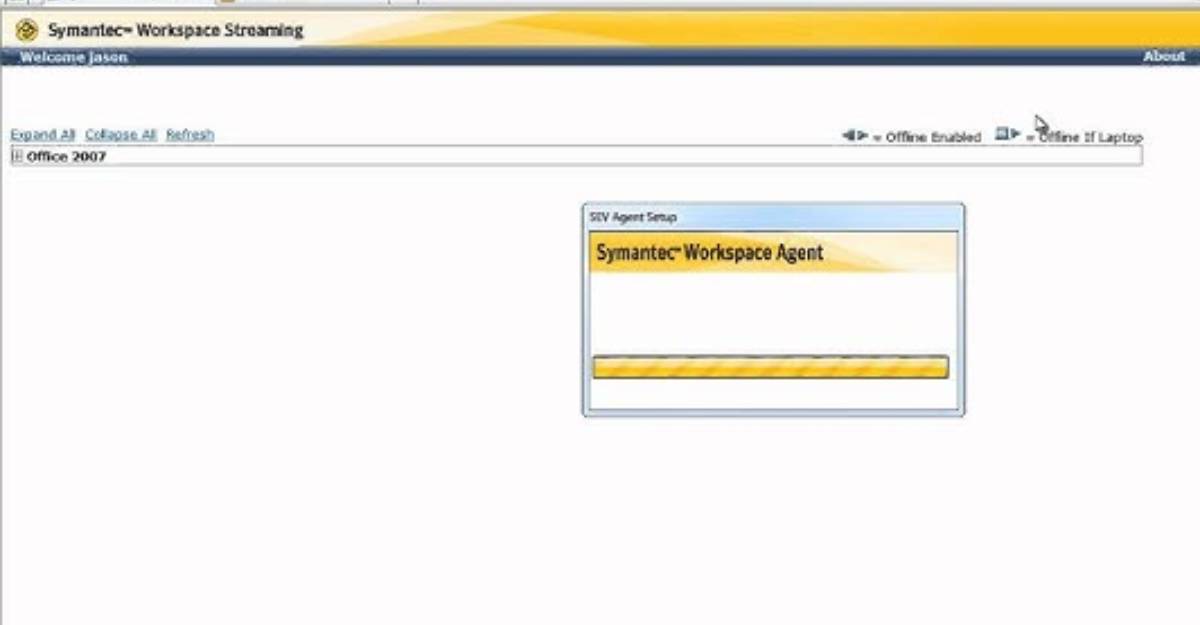
Symantec Endpoint Virtualization Suite, formerly associated with Altiris Software Virtualization Solution (SVS), was designed to enable organizations to virtualize applications and separate software environments from traditional operating system dependencies.

July 31, 2026
|

Enterprise technology continues shifting toward flexible application delivery models as organizations seek greater control over software deployment and endpoint management. Symantec Endpoint Virtualization Suite represents an important stage in the evolution of enterprise virtualization, helping businesses improve application flexibility, reduce infrastructure complexity, and support changing workplace environments through advanced software management approaches.

Symantec Endpoint Virtualization Suite, formerly associated with Altiris Software Virtualization Solution (SVS), was designed to enable organizations to virtualize applications and separate software environments from traditional operating system dependencies.

The technology allowed enterprises to deploy, manage, and update applications more efficiently while reducing conflicts between software installations. Key stakeholders included IT departments, enterprise administrators, software vendors, and organizations managing large-scale computing environments.

The solution reflected a broader industry movement toward application virtualization, centralized management, and improved endpoint efficiency. As businesses adopted more distributed work models, technologies supporting flexible software delivery became increasingly important for enterprise operations.

Application virtualization emerged as a major enterprise technology trend as organizations looked for ways to simplify software management, reduce deployment challenges, and improve operational agility. Traditional software installation methods often created compatibility issues, maintenance difficulties, and increased IT workloads across large networks.

This development aligns with a broader transformation across global technology markets where cloud computing, virtualization, and digital workplace solutions have reshaped enterprise infrastructure strategies. Application virtualization became an important bridge between traditional desktop environments and modern cloud-based application delivery.

Although newer technologies such as cloud-native platforms, containers, and software-as-a-service models have changed the market landscape, the principles introduced by virtualization solutions remain relevant. Enterprises continue seeking methods to improve application lifecycle management, enhance security, and provide users with reliable access to essential software tools.

Enterprise technology analysts have highlighted virtualization as a key innovation that helped organizations rethink how software applications are delivered and managed. By separating applications from underlying systems, businesses gained greater flexibility and reduced operational complexity.

IT professionals recognize that application virtualization concepts influenced many modern approaches, including cloud-based software delivery and automated workspace management. These technologies helped organizations transition toward more scalable and adaptable IT environments.

Industry experts suggest that while legacy virtualization solutions have evolved, their impact remains visible in today’s enterprise infrastructure strategies. Modern businesses continue prioritizing centralized management, security controls, and seamless application access as hybrid work and digital transformation initiatives expand.

The continued development of virtualization technologies demonstrates the enterprise sector’s ongoing focus on efficiency, flexibility, and improved user experiences. For businesses, application virtualization technologies have provided valuable lessons in improving software deployment, reducing IT overhead, and supporting flexible workforce models. Enterprises managing complex application environments continue benefiting from virtualization principles.

Investors and technology leaders are closely monitoring enterprise software markets as organizations increase spending on cloud platforms, cybersecurity, and digital workplace solutions. Policymakers are also examining areas such as software security, data protection, and enterprise technology resilience.

For executives, the evolution from application virtualization toward cloud-native solutions highlights the importance of adaptable technology strategies that support operational efficiency and long-term digital transformation goals.

The future of enterprise software management will continue moving toward cloud-native architectures, automation, and intelligent application delivery platforms. Decision-makers should watch developments in cybersecurity, hybrid work technologies, and next-generation virtualization approaches. Organizations that successfully modernize their software infrastructure while maintaining security and flexibility will be better positioned to compete in an increasingly digital business environment.

Source: AlternativeTo
Date: July 31, 2026

  • Featured tools
Wonder AI
Free

Wonder AI is a versatile AI-powered creative platform that generates text, images, and audio with minimal input, designed for fast storytelling, visual creation, and audio content generation

#
Art Generator
Learn more
Beautiful AI
Free

Beautiful AI is an AI-powered presentation platform that automates slide design and formatting, enabling users to create polished, on-brand presentations quickly.

#
Presentation
Learn more

Learn more about future of AI

Join 80,000+ Ai enthusiast getting weekly updates on exciting AI tools.
Thank you! Your submission has been received!
Oops! Something went wrong while submitting the form.

Symantec Virtualization Transformed Software Delivery

July 31, 2026

Symantec Endpoint Virtualization Suite, formerly associated with Altiris Software Virtualization Solution (SVS), was designed to enable organizations to virtualize applications and separate software environments from traditional operating system dependencies.

Enterprise technology continues shifting toward flexible application delivery models as organizations seek greater control over software deployment and endpoint management. Symantec Endpoint Virtualization Suite represents an important stage in the evolution of enterprise virtualization, helping businesses improve application flexibility, reduce infrastructure complexity, and support changing workplace environments through advanced software management approaches.

Symantec Endpoint Virtualization Suite, formerly associated with Altiris Software Virtualization Solution (SVS), was designed to enable organizations to virtualize applications and separate software environments from traditional operating system dependencies.

The technology allowed enterprises to deploy, manage, and update applications more efficiently while reducing conflicts between software installations. Key stakeholders included IT departments, enterprise administrators, software vendors, and organizations managing large-scale computing environments.

The solution reflected a broader industry movement toward application virtualization, centralized management, and improved endpoint efficiency. As businesses adopted more distributed work models, technologies supporting flexible software delivery became increasingly important for enterprise operations.

Application virtualization emerged as a major enterprise technology trend as organizations looked for ways to simplify software management, reduce deployment challenges, and improve operational agility. Traditional software installation methods often created compatibility issues, maintenance difficulties, and increased IT workloads across large networks.

This development aligns with a broader transformation across global technology markets where cloud computing, virtualization, and digital workplace solutions have reshaped enterprise infrastructure strategies. Application virtualization became an important bridge between traditional desktop environments and modern cloud-based application delivery.

Although newer technologies such as cloud-native platforms, containers, and software-as-a-service models have changed the market landscape, the principles introduced by virtualization solutions remain relevant. Enterprises continue seeking methods to improve application lifecycle management, enhance security, and provide users with reliable access to essential software tools.

Enterprise technology analysts have highlighted virtualization as a key innovation that helped organizations rethink how software applications are delivered and managed. By separating applications from underlying systems, businesses gained greater flexibility and reduced operational complexity.

IT professionals recognize that application virtualization concepts influenced many modern approaches, including cloud-based software delivery and automated workspace management. These technologies helped organizations transition toward more scalable and adaptable IT environments.

Industry experts suggest that while legacy virtualization solutions have evolved, their impact remains visible in today’s enterprise infrastructure strategies. Modern businesses continue prioritizing centralized management, security controls, and seamless application access as hybrid work and digital transformation initiatives expand.

The continued development of virtualization technologies demonstrates the enterprise sector’s ongoing focus on efficiency, flexibility, and improved user experiences. For businesses, application virtualization technologies have provided valuable lessons in improving software deployment, reducing IT overhead, and supporting flexible workforce models. Enterprises managing complex application environments continue benefiting from virtualization principles.

Investors and technology leaders are closely monitoring enterprise software markets as organizations increase spending on cloud platforms, cybersecurity, and digital workplace solutions. Policymakers are also examining areas such as software security, data protection, and enterprise technology resilience.

For executives, the evolution from application virtualization toward cloud-native solutions highlights the importance of adaptable technology strategies that support operational efficiency and long-term digital transformation goals.

The future of enterprise software management will continue moving toward cloud-native architectures, automation, and intelligent application delivery platforms. Decision-makers should watch developments in cybersecurity, hybrid work technologies, and next-generation virtualization approaches. Organizations that successfully modernize their software infrastructure while maintaining security and flexibility will be better positioned to compete in an increasingly digital business environment.

Source: AlternativeTo
Date: July 31, 2026

Promote Your Tool

Copy Embed Code

Similar Blogs

July 31, 2026
|

Dodo MIDI Enhances Music Production Workflows

Dodo MIDI is part of the music technology ecosystem, focusing on MIDI-based tools that help users create, control, and manage digital musical compositions.
Read more
July 31, 2026
|

Polar Cloud Advances Secure Data Management

Polar Cloud is positioned within the cloud computing ecosystem, offering users technology solutions focused on managing and accessing digital resources through cloud-based environments.
Read more
July 31, 2026
|

Metastream Enhances Shared Digital Entertainment

Metastream is a digital platform designed to enable synchronized media playback, allowing multiple users to watch online content together from different locations.
Read more
July 31, 2026
|

Deep Realms Advances Immersive Digital Experiences

Deep Realms is positioned within the category of immersive digital experiences, offering users a platform focused on exploration, creativity, and interactive engagement.
Read more
July 31, 2026
|

Starbackpage Evolves Digital Marketplace Platforms

Starbackpage is part of the online classified marketplace category, where users can create listings, discover services, and interact through digital platforms.
Read more
July 31, 2026
|

Calyx VPN Strengthens Digital Privacy Security

Calyx VPN is a privacy-focused virtual private network solution designed to provide users with secure internet connections and enhanced online privacy.
Read more