
Switzerland Reaffirms OSCE Security Role

Swiss Foreign Minister Ignazio Cassis has reaffirmed Switzerland’s support for the OSCE, describing the organization as essential for European security and diplomatic engagement.

July 29, 2026
|
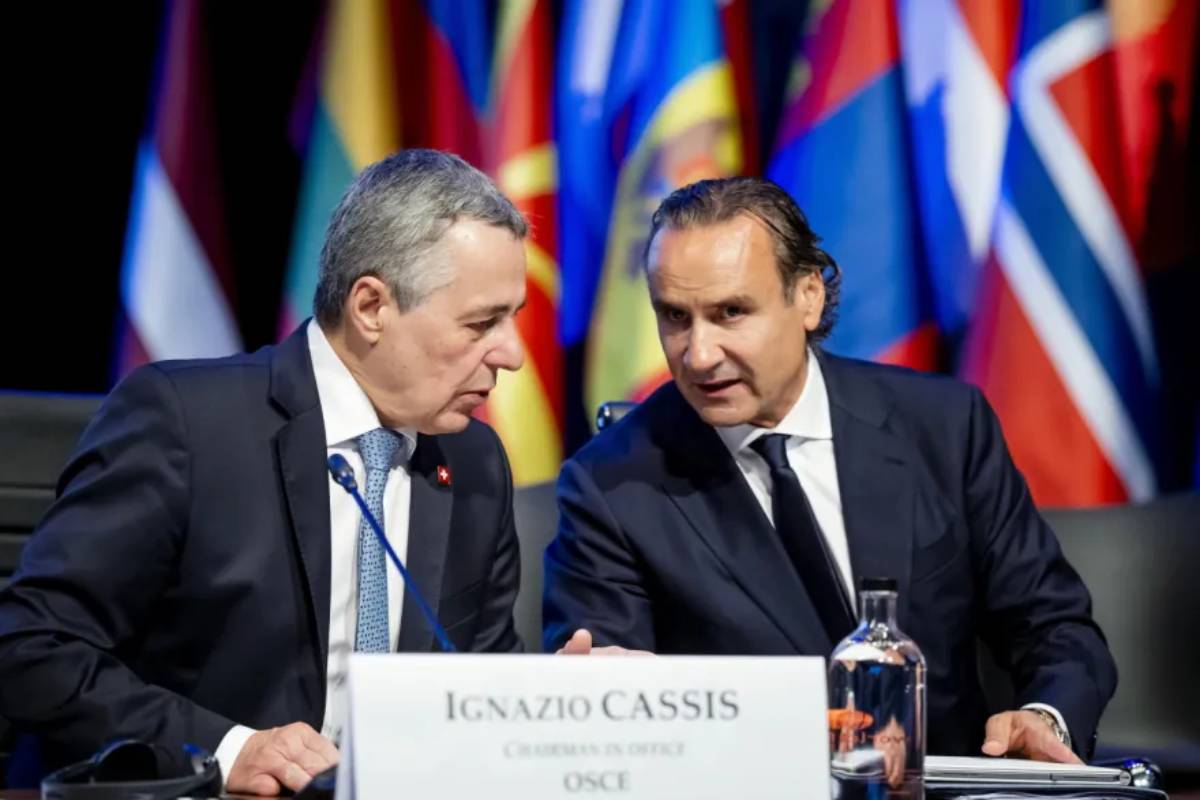
Cassis is Chair-in-Office of the OSCE this year, as Switzerland acts as chair of the organisation

Switzerland has emphasized the continued importance of the Organization for Security and Co-operation in Europe (OSCE) as a key platform for maintaining European stability amid rising geopolitical tensions. Foreign Minister Ignazio Cassis highlighted the organization’s role in dialogue, conflict prevention, and cooperation, underscoring the need for multilateral security frameworks during a period of regional uncertainty.

Swiss Foreign Minister Ignazio Cassis has reaffirmed Switzerland’s support for the OSCE, describing the organization as essential for European security and diplomatic engagement. His remarks come as Europe faces heightened security concerns, ongoing conflicts, and increasing pressure on traditional international cooperation mechanisms.

Switzerland, which has historically promoted neutrality and dialogue, continues to view the OSCE as a valuable forum connecting countries across political divides. The organization focuses on areas including conflict prevention, arms control, human rights, and democratic stability.

The statement highlights Switzerland’s commitment to multilateral diplomacy and maintaining communication channels between states during periods of geopolitical uncertainty.

The OSCE remains one of the world’s largest regional security organizations, bringing together countries from Europe, North America, and Central Asia. Established during the Cold War era, the organization was designed to promote dialogue, reduce tensions, and build confidence between opposing blocs.

In recent years, Europe’s security environment has become increasingly complex due to armed conflicts, geopolitical competition, cybersecurity threats, and shifting alliances. These developments have challenged existing diplomatic structures and increased calls for stronger international cooperation.

Switzerland has traditionally supported organizations that promote negotiation and peaceful conflict resolution. As a neutral country, it has often positioned itself as a facilitator of dialogue between countries with differing interests.

The renewed focus on the OSCE reflects a broader global debate over the future of multilateral institutions and their ability to manage modern security challenges. Security analysts suggest that organizations like the OSCE remain important because they provide channels for communication even during periods of political disagreement. Experts argue that maintaining diplomatic platforms can reduce misunderstandings and create opportunities for confidence-building measures.

Swiss officials have consistently emphasized the importance of dialogue-based approaches to international security. Cassis’s remarks reinforce Switzerland’s position that cooperation and diplomacy remain necessary tools for addressing regional instability.

However, analysts also note that the OSCE faces challenges, including internal disagreements among member states and difficulties reaching consensus on major security issues. The organization’s effectiveness depends on continued engagement from participating countries.

Observers believe that despite these challenges, the OSCE’s ability to bring together diverse nations gives it strategic value, particularly during periods when traditional diplomatic relationships are under pressure.

For businesses operating in Europe, geopolitical stability remains a critical factor influencing investment decisions, supply chains, and market confidence. Stronger diplomatic mechanisms can help reduce uncertainty and support long-term economic planning.

For policymakers, Switzerland’s position highlights the importance of maintaining international cooperation frameworks that address security risks beyond military concerns, including cyber threats, energy security, and economic resilience.

Investors and multinational companies increasingly monitor geopolitical developments when assessing regional opportunities. Stable diplomatic channels can contribute to a more predictable business environment.

The continued relevance of organizations like the OSCE demonstrates that security policy and economic strategy are closely connected in today’s interconnected global economy.

Switzerland is expected to continue advocating for dialogue-based approaches to European security through platforms such as the OSCE. The organization’s future influence will depend on its ability to adapt to changing geopolitical realities and maintain cooperation among member states. As security challenges become more complex, diplomatic institutions may play an increasingly important role in preventing escalation and supporting regional stability.

Source: Swissinfo
Date: July 2026

  • Featured tools
WellSaid Ai
Free

WellSaid AI is an advanced text-to-speech platform that transforms written text into lifelike, human-quality voiceovers.

#
Text to Speech
Learn more
Figstack AI
Free

Figstack AI is an intelligent assistant for developers that explains code, generates docstrings, converts code between languages, and analyzes time complexity helping you work smarter, not harder.

#
Coding
Learn more

Learn more about future of AI

Join 80,000+ Ai enthusiast getting weekly updates on exciting AI tools.
Thank you! Your submission has been received!
Oops! Something went wrong while submitting the form.

Switzerland Reaffirms OSCE Security Role

July 29, 2026

Swiss Foreign Minister Ignazio Cassis has reaffirmed Switzerland’s support for the OSCE, describing the organization as essential for European security and diplomatic engagement.

Cassis is Chair-in-Office of the OSCE this year, as Switzerland acts as chair of the organisation

Switzerland has emphasized the continued importance of the Organization for Security and Co-operation in Europe (OSCE) as a key platform for maintaining European stability amid rising geopolitical tensions. Foreign Minister Ignazio Cassis highlighted the organization’s role in dialogue, conflict prevention, and cooperation, underscoring the need for multilateral security frameworks during a period of regional uncertainty.

Swiss Foreign Minister Ignazio Cassis has reaffirmed Switzerland’s support for the OSCE, describing the organization as essential for European security and diplomatic engagement. His remarks come as Europe faces heightened security concerns, ongoing conflicts, and increasing pressure on traditional international cooperation mechanisms.

Switzerland, which has historically promoted neutrality and dialogue, continues to view the OSCE as a valuable forum connecting countries across political divides. The organization focuses on areas including conflict prevention, arms control, human rights, and democratic stability.

The statement highlights Switzerland’s commitment to multilateral diplomacy and maintaining communication channels between states during periods of geopolitical uncertainty.

The OSCE remains one of the world’s largest regional security organizations, bringing together countries from Europe, North America, and Central Asia. Established during the Cold War era, the organization was designed to promote dialogue, reduce tensions, and build confidence between opposing blocs.

In recent years, Europe’s security environment has become increasingly complex due to armed conflicts, geopolitical competition, cybersecurity threats, and shifting alliances. These developments have challenged existing diplomatic structures and increased calls for stronger international cooperation.

Switzerland has traditionally supported organizations that promote negotiation and peaceful conflict resolution. As a neutral country, it has often positioned itself as a facilitator of dialogue between countries with differing interests.

The renewed focus on the OSCE reflects a broader global debate over the future of multilateral institutions and their ability to manage modern security challenges. Security analysts suggest that organizations like the OSCE remain important because they provide channels for communication even during periods of political disagreement. Experts argue that maintaining diplomatic platforms can reduce misunderstandings and create opportunities for confidence-building measures.

Swiss officials have consistently emphasized the importance of dialogue-based approaches to international security. Cassis’s remarks reinforce Switzerland’s position that cooperation and diplomacy remain necessary tools for addressing regional instability.

However, analysts also note that the OSCE faces challenges, including internal disagreements among member states and difficulties reaching consensus on major security issues. The organization’s effectiveness depends on continued engagement from participating countries.

Observers believe that despite these challenges, the OSCE’s ability to bring together diverse nations gives it strategic value, particularly during periods when traditional diplomatic relationships are under pressure.

For businesses operating in Europe, geopolitical stability remains a critical factor influencing investment decisions, supply chains, and market confidence. Stronger diplomatic mechanisms can help reduce uncertainty and support long-term economic planning.

For policymakers, Switzerland’s position highlights the importance of maintaining international cooperation frameworks that address security risks beyond military concerns, including cyber threats, energy security, and economic resilience.

Investors and multinational companies increasingly monitor geopolitical developments when assessing regional opportunities. Stable diplomatic channels can contribute to a more predictable business environment.

The continued relevance of organizations like the OSCE demonstrates that security policy and economic strategy are closely connected in today’s interconnected global economy.

Switzerland is expected to continue advocating for dialogue-based approaches to European security through platforms such as the OSCE. The organization’s future influence will depend on its ability to adapt to changing geopolitical realities and maintain cooperation among member states. As security challenges become more complex, diplomatic institutions may play an increasingly important role in preventing escalation and supporting regional stability.

Source: Swissinfo
Date: July 2026

Promote Your Tool

Copy Embed Code

Similar Blogs

July 29, 2026
|

EmulationStation Enhances Retro Gaming Experience

EmulationStation is a front-end interface designed to organize and present video game emulation libraries through a streamlined user experience.
Read more
July 29, 2026
|

Tomoson Expands Influencer Marketing Collaboration

Tomoson operates as an influencer marketing platform designed to help brands collaborate with content creators and manage promotional campaigns.
Read more
July 29, 2026
|

ZeroBin.net Advances Secure Data Sharing

ZeroBin.net operates as a privacy-oriented platform that allows users to share encrypted information through temporary digital channels.
Read more
July 29, 2026
|

Gaia Expands Digital Knowledge Access

Gaia operates within the broader category of digital platforms focused on information discovery, organization, and knowledge accessibility.
Read more
July 29, 2026
|

MailDrop Expands Privacy Email Solutions

MailDrop operates as a temporary email service designed to help users create disposable email addresses for online registrations and digital interactions.
Read more
July 29, 2026
|

MacX YouTube Downloader Enhances Video Management

MacX YouTube Downloader is a multimedia software solution designed to support video downloading, conversion, and management from online platforms.
Read more