



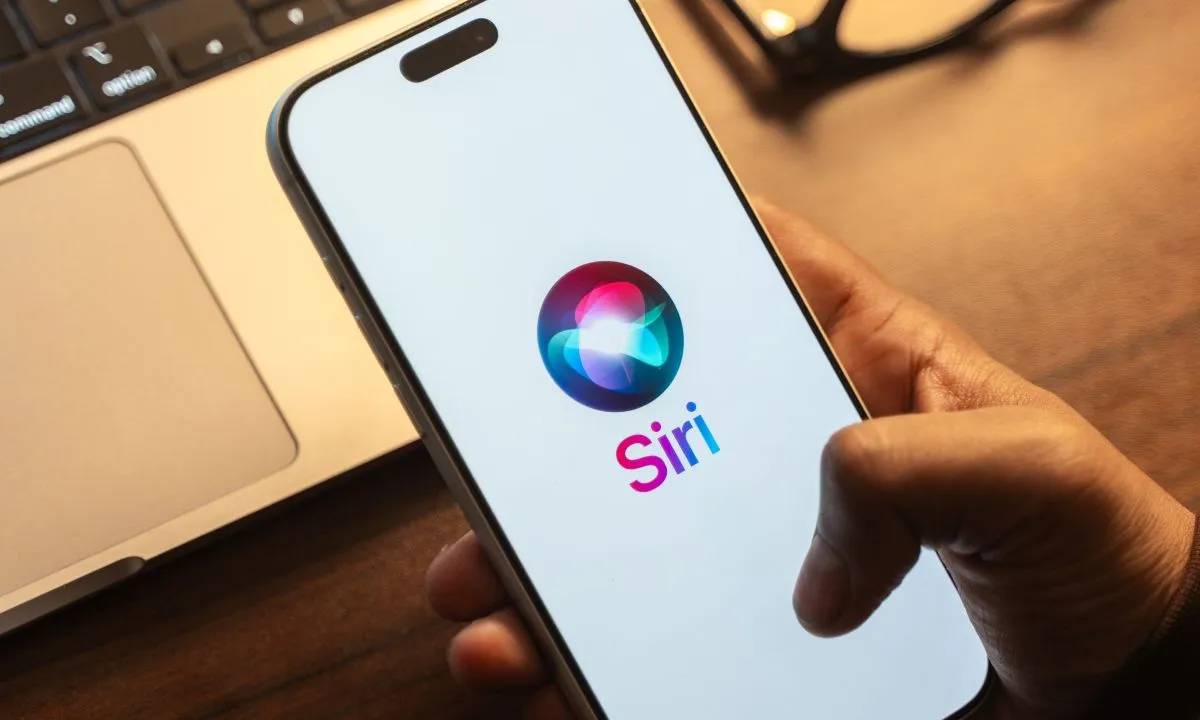
Switzerland is set to roll out advanced AI-powered features for iPhone users as Apple’s next-generation Siri capabilities become available in the market. The move marks a significant step in mainstreaming consumer AI assistants across Europe, strengthening Apple’s global AI strategy and expanding the role of voice-driven interfaces in daily digital interactions.
The rollout introduces enhanced AI functions within Siri for Swiss iPhone users, aligning with Apple’s broader upgrade cycle for its ecosystem. The update is part of a phased global deployment of Apple Intelligence features designed to improve contextual understanding, task automation, and conversational capability.
The initiative reflects growing competition in consumer AI, with Apple positioning its ecosystem against rivals such as Google and OpenAI-integrated services. While the exact technical rollout timeline varies by device and language support, Switzerland is among the early European markets receiving access, signaling regulatory and infrastructure readiness for AI-enabled consumer tools.
The expansion of AI-powered Siri features comes amid a global acceleration in consumer AI adoption. Tech giants are embedding generative AI into everyday tools, reshaping how users interact with smartphones, search systems, and productivity apps. Apple’s approach has been relatively cautious, focusing on on-device processing and privacy-centric AI deployment.
Europe, including Switzerland, has become a critical testing ground for balancing innovation with strict data protection frameworks. This rollout reflects how global technology firms are adapting to regulatory environments while still scaling AI-driven services.
Historically, Siri has lagged behind more advanced conversational AI systems. However, with the introduction of Apple’s next-generation AI stack, the assistant is being repositioned as a core interface layer for device interaction, rather than a simple voice command tool.
Industry analysts view the update as a strategic repositioning of Apple within the AI ecosystem. Rather than competing directly in cloud-based generative AI, Apple is emphasizing integrated, device-level intelligence that prioritizes privacy and latency reduction.
Technology observers suggest this approach could strengthen Apple’s ecosystem lock-in, particularly among enterprise users and high-value consumer segments. However, some analysts caution that Apple must ensure parity with rapidly evolving AI assistants from competitors like Google’s Gemini and OpenAI-powered platforms.
While no formal Swiss government statements have tied directly to the rollout, broader European digital policy frameworks continue to encourage responsible AI deployment. The update is therefore being closely watched as a reference point for how large-scale AI features can operate within strict data governance regimes.
For businesses, the enhanced Siri ecosystem could reshape mobile-first workflows, particularly in sectors reliant on voice interfaces, scheduling, and customer engagement automation. Enterprises already embedded in the Apple ecosystem may see productivity gains through AI-assisted tasks and tighter device integration.
For policymakers, the rollout raises ongoing questions about data handling, cross-border AI compliance, and transparency in consumer AI systems. Regulators are likely to monitor how on-device AI models process personal data without cloud transmission.
Investors will view the update as part of Apple’s broader AI monetization strategy, with potential implications for hardware upgrade cycles and services revenue growth. The next phase of Apple’s AI rollout will focus on expanding language support and deepening app-level integration across its ecosystem. Attention will shift to how effectively Siri can compete with more conversational, cloud-native AI systems. For Switzerland and other early adopters, user adoption rates will serve as a key indicator of whether privacy-focused AI can scale globally without sacrificing capability.
Source: swissinfo.ch
Date: June 24, 2026


