



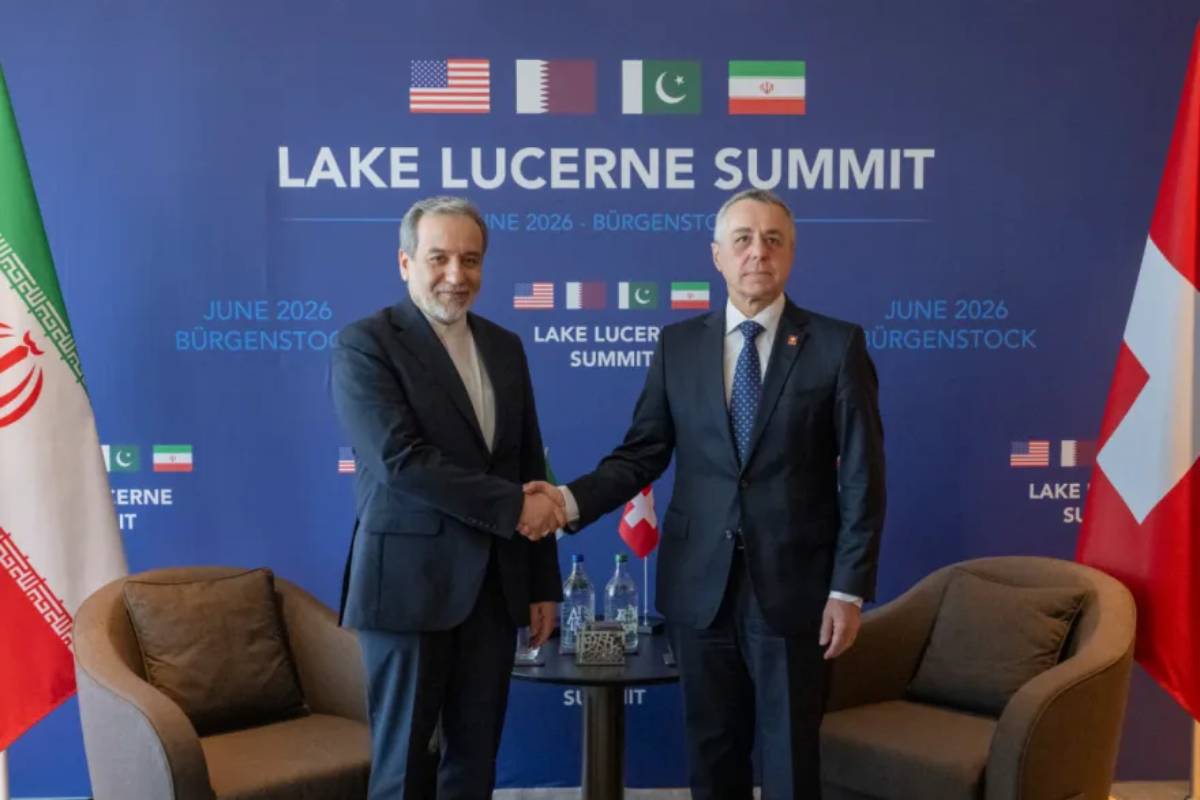
Swiss Foreign Minister Ignazio Cassis has met his Iranian counterpart in a high-level diplomatic engagement aimed at addressing ongoing geopolitical tensions. The meeting underscores Switzerland’s continued role as a neutral mediator, with potential implications for Middle East stability, diplomatic channels, and broader international conflict management frameworks.
Swiss Foreign Minister Ignazio Cassis held formal discussions with Iran’s foreign minister, focusing on bilateral relations and broader regional security dynamics. The talks are part of ongoing diplomatic efforts to maintain communication channels amid heightened geopolitical friction involving Iran and Western powers.
The meeting reinforces Switzerland’s established position as a neutral facilitator in international diplomacy, particularly in sensitive negotiations involving Iran. While no specific agreements were announced, the engagement signals continued willingness from both sides to maintain structured dialogue. The discussions are also aligned with broader multilateral concerns around regional stability, sanctions regimes, and nuclear-related diplomatic frameworks.
Switzerland has historically played a unique role in international diplomacy, often acting as an intermediary between Iran and Western governments, particularly the United States. This neutrality has positioned it as a trusted channel for dialogue in periods of heightened geopolitical tension.
Iran’s relations with Western countries have been shaped by decades of disputes involving nuclear policy, sanctions, and regional security issues. Diplomatic engagement, even at the ministerial level, is often seen as a mechanism to prevent escalation and maintain minimum communication channels.
In the current global context, geopolitical fragmentation and rising regional conflicts have increased the importance of backchannel diplomacy. Meetings such as this reflect broader efforts to stabilize communication pathways, even when formal agreements remain distant or uncertain.
Foreign policy analysts view the meeting as part of Switzerland’s long-standing strategy of neutral facilitation in global diplomacy. Experts emphasize that such engagements are less about immediate policy breakthroughs and more about maintaining open diplomatic lines during periods of heightened tension.
International relations specialists note that Iran–Europe dialogue remains a critical component of broader efforts to manage nuclear and regional security concerns. While expectations for immediate outcomes are typically low, sustained engagement is viewed as essential for preventing diplomatic breakdown.
Observers also highlight that ministerial-level meetings help preserve institutional continuity in foreign relations, ensuring that communication channels remain operational even in politically sensitive environments. No detailed official statements indicating specific agreements were released following the meeting.
For global markets, continued diplomatic engagement between Switzerland and Iran helps reduce the risk of sudden geopolitical escalation, particularly in energy-sensitive regions. Stability in diplomatic communication can indirectly influence oil pricing, sanctions outlooks, and investor risk assessments.
Businesses operating in energy, logistics, and international trade benefit from even incremental reductions in geopolitical uncertainty. Governments may also use such engagements as indicators for future diplomatic positioning and sanctions policy recalibration.
For executives, the meeting reinforces the importance of monitoring diplomatic signals as part of broader macro-risk management strategies, especially in sectors exposed to Middle East volatility and international regulatory frameworks.
Future developments will depend on whether such diplomatic meetings translate into broader multilateral engagement or remain symbolic exchanges. Continued dialogue is expected, though major policy breakthroughs remain uncertain. Key signals to watch include follow-up negotiations, shifts in sanctions policy discussions, and expanded participation from other international stakeholders. The maintenance of dialogue itself remains a stabilizing factor in an otherwise fragmented geopolitical environment.
Source: Swissinfo
Date: June 23, 2026


