
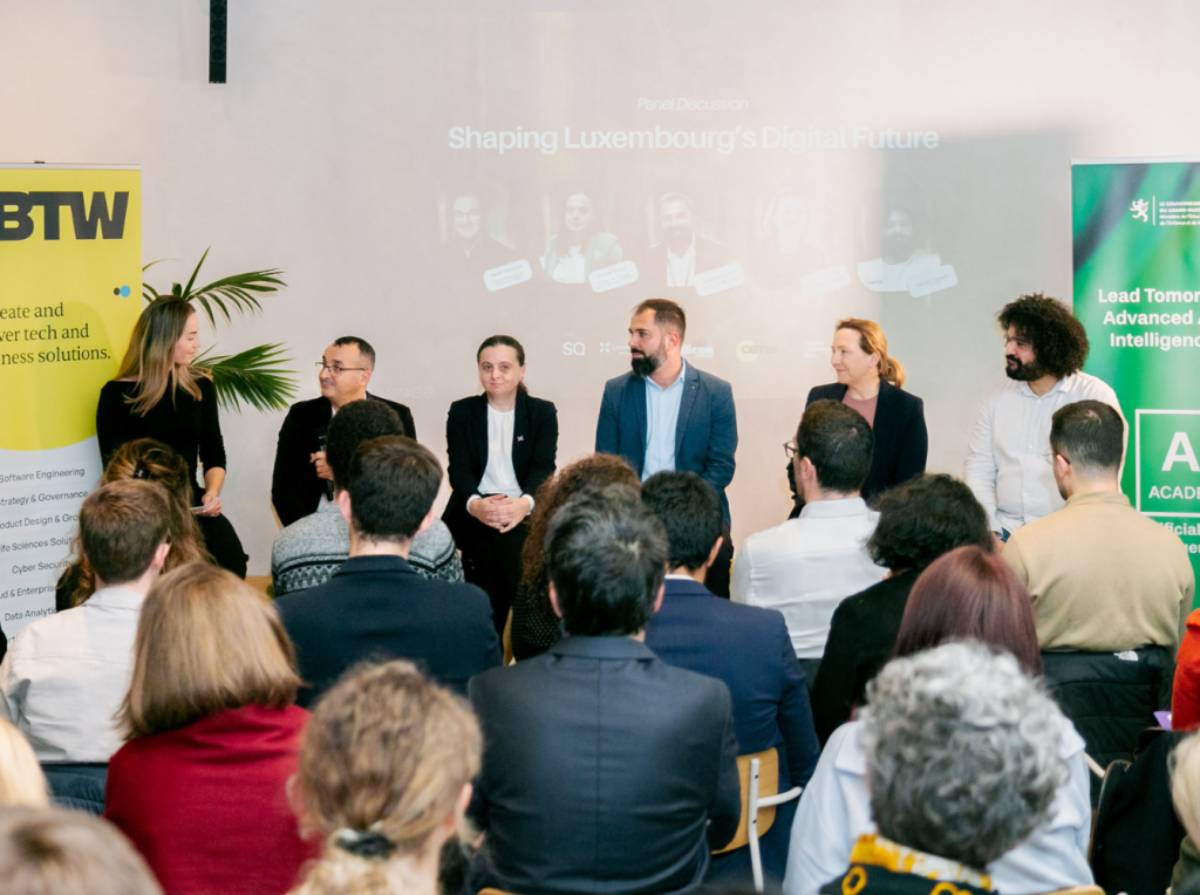
Students Unveil Future Cities Roadmap

The roadmap was developed through a collaborative academic initiative that encouraged students to design forward-looking solutions for the cities of tomorrow.

July 6, 2026
|
Image Source: Silicon Luxembourg

A new student-led roadmap is offering fresh perspectives on the future of urban development, presenting practical ideas for smarter, greener, and more resilient cities. The initiative highlights how academic collaboration, technology, and citizen-centric innovation can help governments and businesses address growing challenges related to sustainability, mobility, housing, and digital transformation.

The roadmap was developed through a collaborative academic initiative that encouraged students to design forward-looking solutions for the cities of tomorrow. Their proposals address key urban priorities, including sustainable mobility, digital public services, affordable housing, environmental resilience, energy efficiency, and citizen engagement.

Rather than focusing solely on technological innovation, the recommendations emphasize integrated urban planning that combines digital infrastructure with social inclusion and environmental responsibility. The project demonstrates how universities can contribute practical policy ideas while fostering collaboration between students, researchers, businesses, and public authorities to support long-term urban innovation strategies.

Cities around the world are facing mounting pressure from rapid urbanization, climate change, aging infrastructure, and evolving economic demands. Governments are increasingly investing in smart city technologies that leverage artificial intelligence, connected devices, digital twins, and data analytics to improve public services while reducing environmental impact.

Across Europe, urban innovation has become a central policy priority under broader sustainability and digital transformation strategies. Municipalities are exploring new approaches to transportation, renewable energy, circular economy practices, and intelligent infrastructure that improve both quality of life and economic competitiveness.

The student-developed roadmap reflects this broader movement by combining technological innovation with human-centered design principles. It recognizes that future cities will require collaboration between governments, academia, private industry, and citizens to create solutions that are not only technologically advanced but also socially inclusive, environmentally sustainable, and economically viable.

Urban development experts increasingly argue that the most successful smart cities balance technological advancement with community needs rather than focusing exclusively on digital infrastructure. Innovation becomes sustainable only when supported by effective governance, citizen participation, and long-term planning.

Academic leaders often emphasize that involving students in real-world urban challenges encourages fresh thinking while helping prepare the next generation of policymakers, engineers, architects, and entrepreneurs. Collaborative projects also strengthen connections between universities and industry by translating research into practical solutions for cities.

Industry analysts note that future urban competitiveness will increasingly depend on integrating digital technologies with environmental sustainability and public services. As artificial intelligence and data-driven decision-making become more widespread, cities that encourage experimentation and cross-sector collaboration are expected to gain significant economic and social advantages.

For businesses, the roadmap highlights emerging opportunities in smart infrastructure, sustainable construction, mobility solutions, clean energy, urban technology, and digital public services. Companies developing innovative solutions for city management may benefit from increasing public-sector investment in future-ready infrastructure.

For policymakers, student-led innovation demonstrates the value of engaging academic institutions in urban planning and policy development. Collaborative initiatives can generate diverse perspectives while supporting evidence-based decision-making. Investors may also view smart city technologies as a growing market driven by increasing demand for sustainable infrastructure, digital transformation, and resilient urban development across Europe and beyond.

As cities continue adapting to economic, environmental, and technological change, collaborative innovation will become increasingly important in shaping urban policy. The student roadmap provides a foundation for further dialogue between academia, government, and industry. Decision-makers will watch how these ideas influence future urban planning projects and contribute to building smarter, more sustainable, and inclusive cities for the next generation.

Source: Silicon Luxembourg
Date:
July 2026

  • Featured tools
Neuron AI
Free

Neuron AI is an AI-driven content optimization platform that helps creators produce SEO-friendly content by combining semantic SEO, competitor analysis, and AI-assisted writing workflows.

#
SEO
Learn more
Hostinger Horizons
Freemium

Hostinger Horizons is an AI-powered platform that allows users to build and deploy custom web applications without writing code. It packs hosting, domain management and backend integration into a unified tool for rapid app creation.

#
Startup Tools
#
Coding
#
Project Management
Learn more

Learn more about future of AI

Join 80,000+ Ai enthusiast getting weekly updates on exciting AI tools.
Thank you! Your submission has been received!
Oops! Something went wrong while submitting the form.

Students Unveil Future Cities Roadmap

July 6, 2026

The roadmap was developed through a collaborative academic initiative that encouraged students to design forward-looking solutions for the cities of tomorrow.

Image Source: Silicon Luxembourg

A new student-led roadmap is offering fresh perspectives on the future of urban development, presenting practical ideas for smarter, greener, and more resilient cities. The initiative highlights how academic collaboration, technology, and citizen-centric innovation can help governments and businesses address growing challenges related to sustainability, mobility, housing, and digital transformation.

The roadmap was developed through a collaborative academic initiative that encouraged students to design forward-looking solutions for the cities of tomorrow. Their proposals address key urban priorities, including sustainable mobility, digital public services, affordable housing, environmental resilience, energy efficiency, and citizen engagement.

Rather than focusing solely on technological innovation, the recommendations emphasize integrated urban planning that combines digital infrastructure with social inclusion and environmental responsibility. The project demonstrates how universities can contribute practical policy ideas while fostering collaboration between students, researchers, businesses, and public authorities to support long-term urban innovation strategies.

Cities around the world are facing mounting pressure from rapid urbanization, climate change, aging infrastructure, and evolving economic demands. Governments are increasingly investing in smart city technologies that leverage artificial intelligence, connected devices, digital twins, and data analytics to improve public services while reducing environmental impact.

Across Europe, urban innovation has become a central policy priority under broader sustainability and digital transformation strategies. Municipalities are exploring new approaches to transportation, renewable energy, circular economy practices, and intelligent infrastructure that improve both quality of life and economic competitiveness.

The student-developed roadmap reflects this broader movement by combining technological innovation with human-centered design principles. It recognizes that future cities will require collaboration between governments, academia, private industry, and citizens to create solutions that are not only technologically advanced but also socially inclusive, environmentally sustainable, and economically viable.

Urban development experts increasingly argue that the most successful smart cities balance technological advancement with community needs rather than focusing exclusively on digital infrastructure. Innovation becomes sustainable only when supported by effective governance, citizen participation, and long-term planning.

Academic leaders often emphasize that involving students in real-world urban challenges encourages fresh thinking while helping prepare the next generation of policymakers, engineers, architects, and entrepreneurs. Collaborative projects also strengthen connections between universities and industry by translating research into practical solutions for cities.

Industry analysts note that future urban competitiveness will increasingly depend on integrating digital technologies with environmental sustainability and public services. As artificial intelligence and data-driven decision-making become more widespread, cities that encourage experimentation and cross-sector collaboration are expected to gain significant economic and social advantages.

For businesses, the roadmap highlights emerging opportunities in smart infrastructure, sustainable construction, mobility solutions, clean energy, urban technology, and digital public services. Companies developing innovative solutions for city management may benefit from increasing public-sector investment in future-ready infrastructure.

For policymakers, student-led innovation demonstrates the value of engaging academic institutions in urban planning and policy development. Collaborative initiatives can generate diverse perspectives while supporting evidence-based decision-making. Investors may also view smart city technologies as a growing market driven by increasing demand for sustainable infrastructure, digital transformation, and resilient urban development across Europe and beyond.

As cities continue adapting to economic, environmental, and technological change, collaborative innovation will become increasingly important in shaping urban policy. The student roadmap provides a foundation for further dialogue between academia, government, and industry. Decision-makers will watch how these ideas influence future urban planning projects and contribute to building smarter, more sustainable, and inclusive cities for the next generation.

Source: Silicon Luxembourg
Date:
July 2026

Promote Your Tool

Copy Embed Code

Similar Blogs

July 6, 2026
|

Luxembourg Tech Fuels Digital Futures

The founder’s reflections showcase the Luxembourg Tech School’s mission to bridge the gap between traditional education and the evolving needs of the digital economy.
Read more
July 6, 2026
|

Startup Success Starts With Planning

The discussion highlights the importance of defining fundraising requirements based on business milestones rather than pursuing capital solely based on market availability.
Read more
July 6, 2026
|

Europe's AI Leaders Drive Innovation

The Silicon Luxembourg event brought together key stakeholders from the region's technology ecosystem to assess the current state of artificial intelligence and its growing impact across industries.
Read more
July 6, 2026
|

Tomorrow Street Launches Scaleup X

The Scaleup X Programme serves as a dedicated scaling platform for technology startups that have progressed beyond the early-stage phase and are preparing for rapid international expansion.
Read more
July 6, 2026
|

Luxembourg Launches Startup Growth Guide

The Luxembourg Chamber of Commerce has published a practical guide tailored for entrepreneurs seeking to launch or expand businesses within the country.
Read more
July 6, 2026
|

Founder Initiative Redefines Career Readiness

The IDK-Yet initiative introduces students to a new framework for career exploration, replacing pressure for immediate career certainty with structured self-discovery and entrepreneurial problem-solving.
Read more