
Student Backlash Challenges AI Industry Narratives

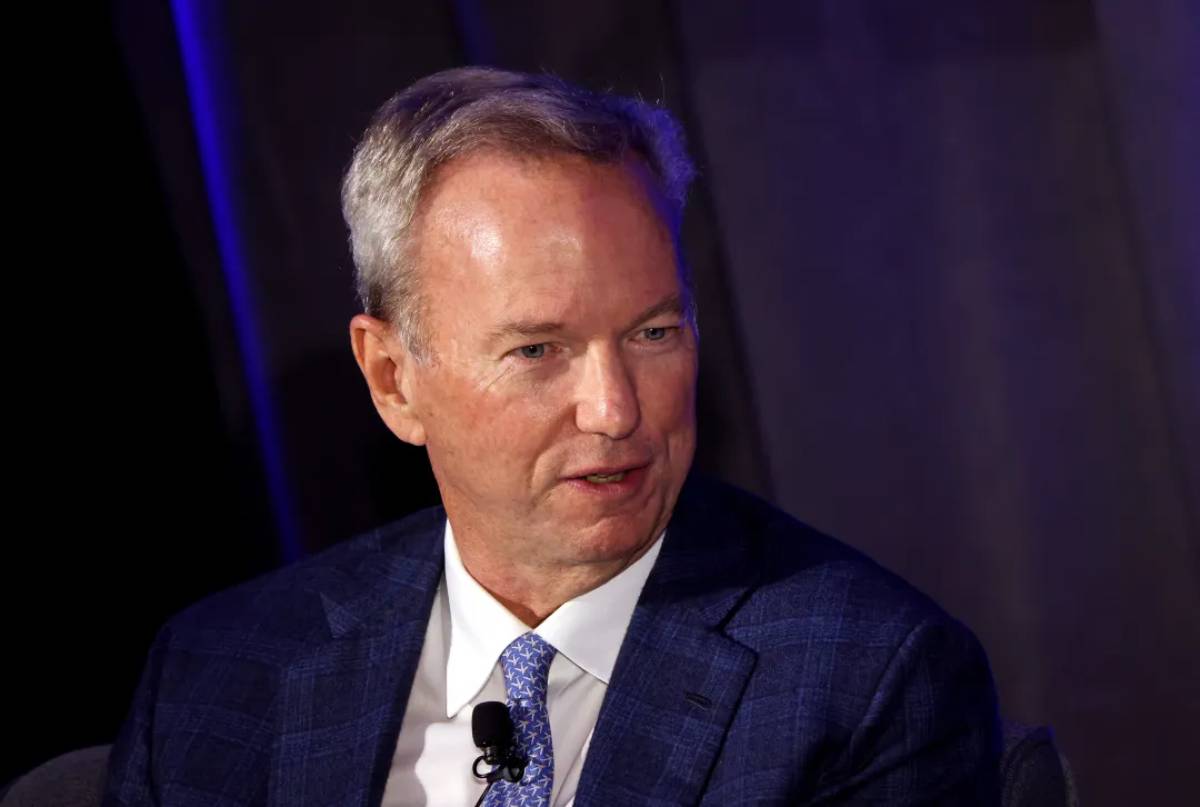
During a commencement address at the University of Arizona, Eric Schmidt reportedly faced audible boos from sections of the graduating audience while discussing artificial intelligence and its future benefits.

July 29, 2026
|
Image Source: The Verge

A visible backlash against artificial intelligence optimism unfolded at the University of Arizona commencement ceremony, where graduates reportedly booed former Google CEO Eric Schmidt during remarks promoting AI’s transformative potential. The incident reflects rising public skepticism surrounding the social, economic, and ethical implications of artificial intelligence, particularly among younger generations entering an uncertain labor market.

During a commencement address at the University of Arizona, Eric Schmidt reportedly faced audible boos from sections of the graduating audience while discussing artificial intelligence and its future benefits.

Schmidt, a prominent technology executive and AI advocate, emphasized AI’s potential to reshape industries, accelerate scientific discovery, and drive future economic growth. However, student reactions suggested growing unease around issues such as job displacement, automation risks, data privacy, and the concentration of power within major technology firms.

The episode has drawn wider attention because it illustrates a broader shift in public sentiment toward AI, particularly among younger demographics that are expected to experience the long-term effects of automation and algorithm-driven economic transformation. The event also highlights increasing tension between Silicon Valley narratives of

The development aligns with a broader global debate surrounding artificial intelligence adoption and the societal consequences of rapid technological change. While AI investment and deployment have accelerated across industries, public attitudes toward the technology are becoming increasingly divided.

Major technology firms continue to position AI as a driver of productivity, economic growth, and scientific advancement. Companies including Google, Microsoft, and OpenAI have invested billions into generative AI systems, cloud infrastructure, and automation platforms.

At the same time, concerns have intensified over AI’s impact on employment, misinformation, education, privacy, and market concentration. Universities, creative industries, and labor organizations have become increasingly vocal about how automation may reshape traditional career paths and economic security.

Historically, technological revolutions have often triggered public anxiety before broader adaptation occurs. However, AI’s rapid deployment cycle and its ability to affect white-collar professions distinguish it from earlier automation waves focused primarily on manufacturing and industrial labor.

The incident involving Schmidt also reflects growing distrust toward large technology companies following years of controversy surrounding social media governance, data privacy practices, and platform influence over public discourse.

Technology analysts suggest the student response reflects a widening perception gap between industry leaders and younger populations directly confronting the uncertainties of AI-driven labor disruption. Experts argue that public resistance to AI is no longer confined to fringe concerns but is entering mainstream civic and educational environments.

Labor economists note that graduates entering fields such as software development, media, marketing, and administration are increasingly aware that generative AI tools could alter traditional entry-level career pathways. This may explain why optimistic messaging about AI innovation is now receiving more critical public scrutiny.

Policy specialists also argue that technology executives face growing pressure to address ethical concerns more directly rather than focusing exclusively on innovation narratives. Analysts suggest that public trust in AI may increasingly depend on whether companies can demonstrate measurable safeguards around transparency, fairness, and workforce transition support.

At the same time, some industry observers caution against interpreting public skepticism as outright rejection of AI. Instead, experts believe audiences are demanding more balanced discussions that acknowledge both the opportunities and disruptions associated with rapid technological transformation.

For businesses, the backlash underscores the importance of public trust and social legitimacy in AI deployment strategies. Companies promoting AI technologies may need to strengthen communication around workforce adaptation, ethical governance, and long-term societal benefits to avoid reputational risks.

Investors are likely to monitor how public sentiment evolves as AI adoption expands across sectors. Persistent societal resistance or regulatory pressure could influence adoption rates, policy frameworks, and the pace of commercial deployment in sensitive industries.

For policymakers and educational institutions, the incident highlights the growing urgency of addressing workforce transition planning, digital literacy, and AI governance frameworks. Governments may face increasing demands for labor protections, retraining initiatives, and stronger oversight of large-scale automation systems.

Public debate around artificial intelligence is expected to intensify as AI systems become more deeply integrated into workplaces, education, and everyday life. Decision-makers will closely watch whether technology leaders can rebuild public confidence through greater transparency and responsible deployment practices. The future trajectory of AI adoption may depend as much on societal trust and governance as on technical capability itself.

Source: The Verge
Date: May 18, 2026

  • Featured tools
Kreateable AI
Free

Kreateable AI is a white-label, AI-driven design platform that enables logo generation, social media posts, ads, and more for businesses, agencies, and service providers.

#
Logo Generator
Learn more
Outplay AI
Free

Outplay AI is a dynamic sales engagement platform combining AI-powered outreach, multi-channel automation, and performance tracking to help teams optimize conversion and pipeline generation.

#
Sales
Learn more

Learn more about future of AI

Join 80,000+ Ai enthusiast getting weekly updates on exciting AI tools.
Thank you! Your submission has been received!
Oops! Something went wrong while submitting the form.

Student Backlash Challenges AI Industry Narratives

July 29, 2026

During a commencement address at the University of Arizona, Eric Schmidt reportedly faced audible boos from sections of the graduating audience while discussing artificial intelligence and its future benefits.

Image Source: The Verge

A visible backlash against artificial intelligence optimism unfolded at the University of Arizona commencement ceremony, where graduates reportedly booed former Google CEO Eric Schmidt during remarks promoting AI’s transformative potential. The incident reflects rising public skepticism surrounding the social, economic, and ethical implications of artificial intelligence, particularly among younger generations entering an uncertain labor market.

During a commencement address at the University of Arizona, Eric Schmidt reportedly faced audible boos from sections of the graduating audience while discussing artificial intelligence and its future benefits.

Schmidt, a prominent technology executive and AI advocate, emphasized AI’s potential to reshape industries, accelerate scientific discovery, and drive future economic growth. However, student reactions suggested growing unease around issues such as job displacement, automation risks, data privacy, and the concentration of power within major technology firms.

The episode has drawn wider attention because it illustrates a broader shift in public sentiment toward AI, particularly among younger demographics that are expected to experience the long-term effects of automation and algorithm-driven economic transformation. The event also highlights increasing tension between Silicon Valley narratives of

The development aligns with a broader global debate surrounding artificial intelligence adoption and the societal consequences of rapid technological change. While AI investment and deployment have accelerated across industries, public attitudes toward the technology are becoming increasingly divided.

Major technology firms continue to position AI as a driver of productivity, economic growth, and scientific advancement. Companies including Google, Microsoft, and OpenAI have invested billions into generative AI systems, cloud infrastructure, and automation platforms.

At the same time, concerns have intensified over AI’s impact on employment, misinformation, education, privacy, and market concentration. Universities, creative industries, and labor organizations have become increasingly vocal about how automation may reshape traditional career paths and economic security.

Historically, technological revolutions have often triggered public anxiety before broader adaptation occurs. However, AI’s rapid deployment cycle and its ability to affect white-collar professions distinguish it from earlier automation waves focused primarily on manufacturing and industrial labor.

The incident involving Schmidt also reflects growing distrust toward large technology companies following years of controversy surrounding social media governance, data privacy practices, and platform influence over public discourse.

Technology analysts suggest the student response reflects a widening perception gap between industry leaders and younger populations directly confronting the uncertainties of AI-driven labor disruption. Experts argue that public resistance to AI is no longer confined to fringe concerns but is entering mainstream civic and educational environments.

Labor economists note that graduates entering fields such as software development, media, marketing, and administration are increasingly aware that generative AI tools could alter traditional entry-level career pathways. This may explain why optimistic messaging about AI innovation is now receiving more critical public scrutiny.

Policy specialists also argue that technology executives face growing pressure to address ethical concerns more directly rather than focusing exclusively on innovation narratives. Analysts suggest that public trust in AI may increasingly depend on whether companies can demonstrate measurable safeguards around transparency, fairness, and workforce transition support.

At the same time, some industry observers caution against interpreting public skepticism as outright rejection of AI. Instead, experts believe audiences are demanding more balanced discussions that acknowledge both the opportunities and disruptions associated with rapid technological transformation.

For businesses, the backlash underscores the importance of public trust and social legitimacy in AI deployment strategies. Companies promoting AI technologies may need to strengthen communication around workforce adaptation, ethical governance, and long-term societal benefits to avoid reputational risks.

Investors are likely to monitor how public sentiment evolves as AI adoption expands across sectors. Persistent societal resistance or regulatory pressure could influence adoption rates, policy frameworks, and the pace of commercial deployment in sensitive industries.

For policymakers and educational institutions, the incident highlights the growing urgency of addressing workforce transition planning, digital literacy, and AI governance frameworks. Governments may face increasing demands for labor protections, retraining initiatives, and stronger oversight of large-scale automation systems.

Public debate around artificial intelligence is expected to intensify as AI systems become more deeply integrated into workplaces, education, and everyday life. Decision-makers will closely watch whether technology leaders can rebuild public confidence through greater transparency and responsible deployment practices. The future trajectory of AI adoption may depend as much on societal trust and governance as on technical capability itself.

Source: The Verge
Date: May 18, 2026

Promote Your Tool

Copy Embed Code

Similar Blogs

August 14, 2026
|

Benefitfocus Expands Digital Benefits Administration

Benefitfocus provides cloud-based technology covering benefits enrollment, administration, communications, billing, payments and data exchange.
Read more
August 14, 2026
|

Travel Agent Revenue Models Evolve Digitally

Travel agencies can earn commissions when customers book hotels, cruises, tours, vacation packages and other travel products through them. Suppliers may pay agents for generating bookings, making commissions a traditional component of agency revenue.
Read more
August 14, 2026
|

Sofon Advances Guided Selling CPQ Automation

Sofon's platform combines guided selling, product configuration, pricing, quotation and sales-management capabilities. Guided questionnaires help sales teams identify customer requirements and translate them into suitable product configurations.
Read more
August 14, 2026
|

WellRyde Advances Medical Transportation Management

WellRyde provides technology for managing non-emergency medical transportation operations, including trip scheduling, dispatch coordination, transportation-provider management and reporting.
Read more
August 14, 2026
|

Review WAVE Advances Digital Patient Engagement

Review WAVE provides healthcare practices with tools for online appointment scheduling, two-way texting, automated appointment reminders, digital forms, web chat, marketing campaigns and online review generation.
Read more
August 14, 2026
|

Edgenuity Expands Digital Virtual Education

Edgenuity provides digital curriculum and learning solutions covering core academic subjects, electives, Advanced Placement and career-oriented education.
Read more