



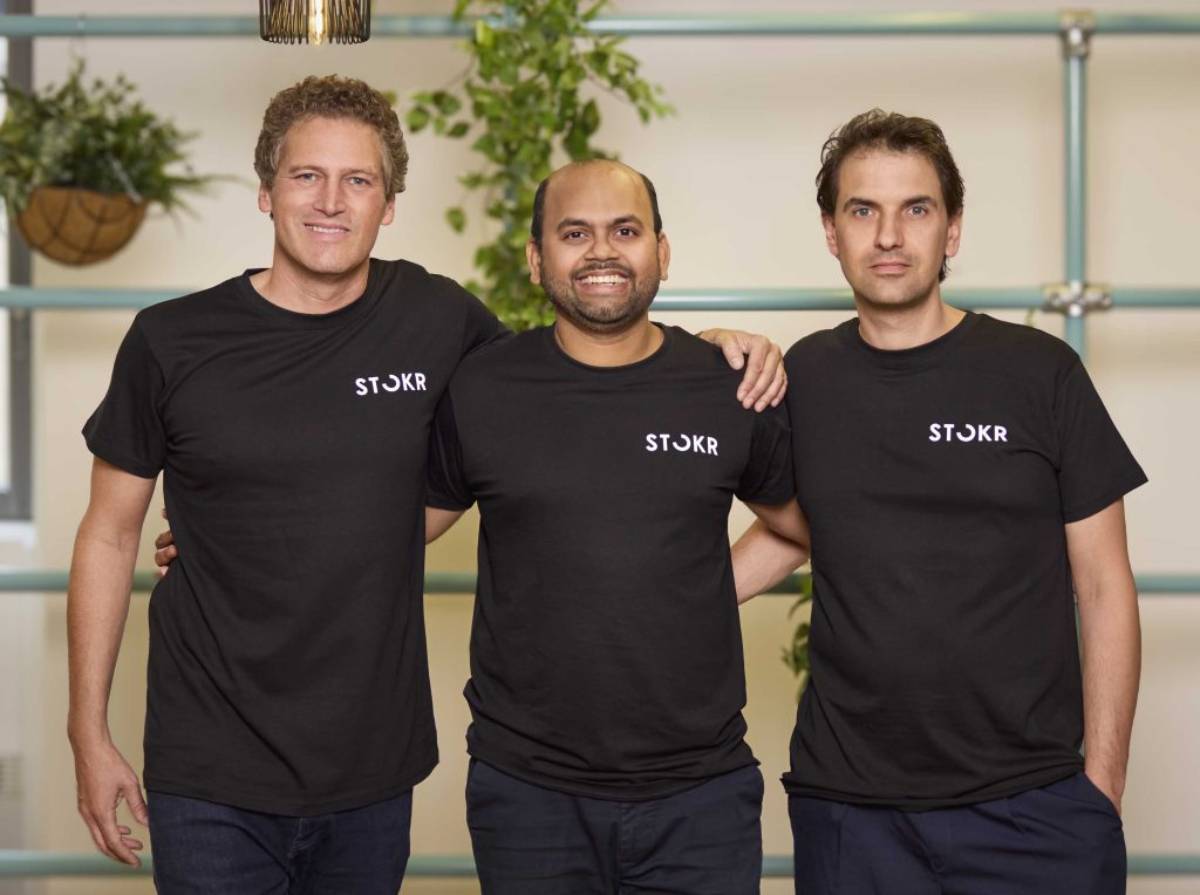
A significant milestone for Europe’s digital asset industry has emerged as STOKR secured key EU crypto licences in Luxembourg. The approvals strengthen the company's ability to operate within Europe's evolving regulatory framework, highlighting Luxembourg’s growing role as a hub for compliant blockchain innovation and regulated financial technology.
STOKR has obtained both Crypto-Asset Service Provider (CASP) and Payment Institution (PI) licences in Luxembourg, enabling the company to expand regulated digital asset services across the European Union.
The licences position STOKR to operate under the EU’s increasingly harmonized digital finance framework while offering tokenized investment products and payment-related services. The approvals come as European regulators continue implementing comprehensive crypto oversight through the Markets in Crypto-Assets (MiCA) regime.
Industry observers view the licensing milestone as reinforcing Luxembourg’s position as a preferred jurisdiction for fintech companies seeking regulatory certainty within the European single market.
The licensing of STOKR reflects the rapid maturation of Europe’s digital asset ecosystem. As regulatory scrutiny of cryptocurrencies intensifies globally, firms are increasingly prioritizing jurisdictions that provide legal clarity and cross-border operational certainty.
The European Union has positioned itself as one of the first major economic blocs to establish a comprehensive regulatory framework for crypto-assets through MiCA. This framework is designed to improve consumer protection, market integrity, and financial stability while supporting innovation in blockchain-based financial services.
Luxembourg has long been recognized as a leading financial centre, leveraging its expertise in investment funds, banking, and financial regulation to attract fintech and digital asset firms. STOKR’s regulatory approvals reinforce the country's ambition to become a strategic gateway for compliant digital finance across Europe.
Digital finance analysts describe STOKR’s licensing achievement as an important indicator of the industry's transition from speculative crypto markets toward regulated financial infrastructure. Experts note that firms securing multiple regulatory authorizations will likely enjoy a competitive advantage as institutional investors increasingly demand compliance and transparency.
Financial technology specialists also point out that obtaining both CASP and PI licences enables companies like STOKR to offer integrated digital asset and payment services under a unified regulatory framework. This could accelerate adoption of tokenized financial products among institutional and professional investors.
While no extended executive statements are cited in the source, industry observers suggest the approvals reflect Luxembourg’s proactive regulatory approach. Analysts believe similar licensing activity is likely to increase as firms prepare for full implementation of Europe's digital asset regulations.
For fintech companies, STOKR’s regulatory approvals demonstrate the strategic value of obtaining comprehensive licences before expanding across the European market. Regulatory readiness is increasingly becoming a competitive differentiator in digital finance.
For investors, the development strengthens confidence in regulated tokenization platforms operating under established legal frameworks, potentially encouraging greater institutional participation in digital assets.
For policymakers, the milestone highlights the effectiveness of harmonized European regulation in attracting innovation while maintaining market oversight. It also reinforces Luxembourg’s role as a regulatory leader capable of balancing financial innovation with investor protection and compliance standards.
Going forward, STOKR is expected to expand its regulated digital asset offerings across the European Union under its new licensing framework. Market participants will monitor adoption of tokenized investment products, institutional demand, and the broader implementation of MiCA regulations.
As regulatory certainty improves, Europe is likely to witness increased competition among licensed digital asset providers seeking to capture institutional and cross-border growth opportunities.
Source: Silicon Luxembourg
Date: July 2, 2026


