



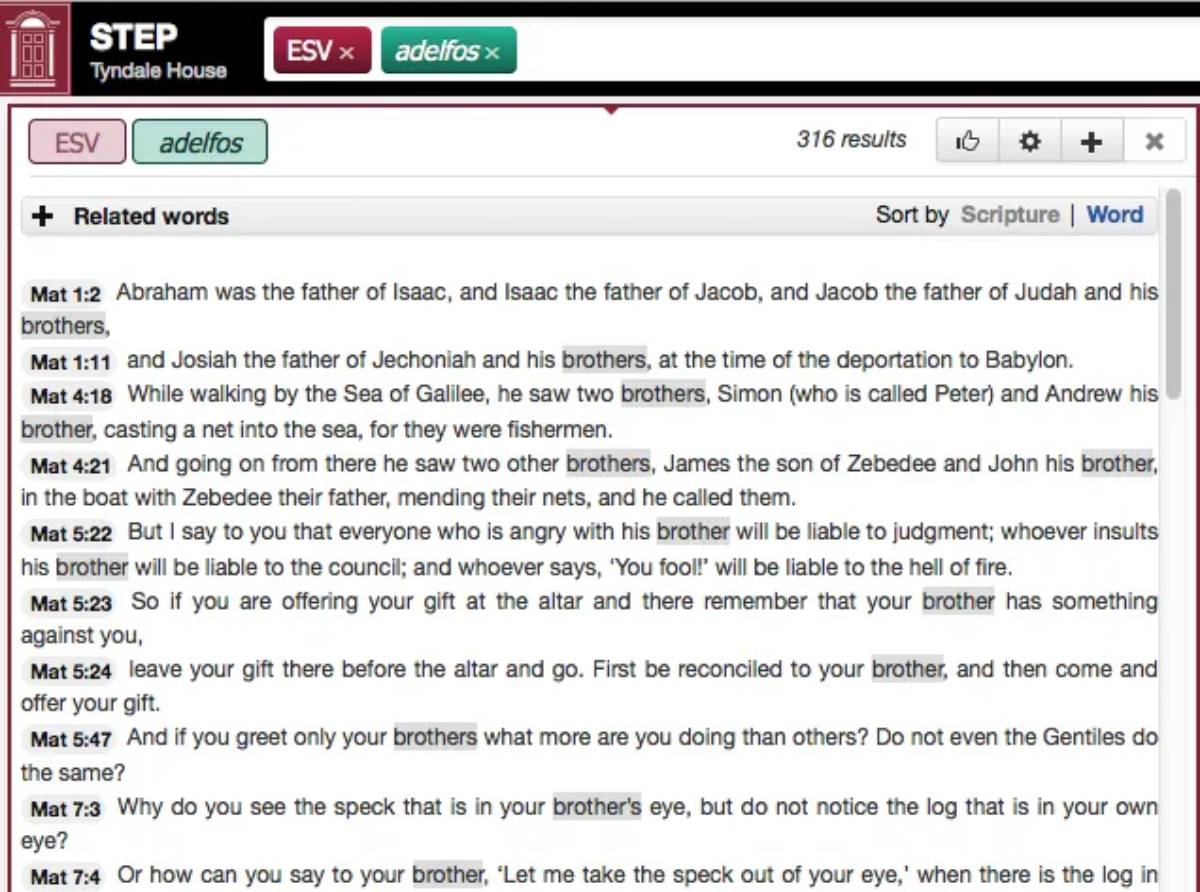
STEP Bible reflects the growing role of digital platforms in advancing theological education, biblical research, and multilingual scripture study. By providing interactive tools for exploring biblical texts and translations, the platform highlights broader trends in digital learning, open educational resources, and technology-enabled access to religious scholarship worldwide.
STEP Bible is a web-based biblical study platform that offers users access to multiple Bible translations, original-language resources, lexical tools, commentaries, and advanced search capabilities. The platform is designed to support students, educators, researchers, clergy, and individuals seeking deeper scriptural understanding.
Its continued relevance reflects increasing demand for digital educational tools that improve accessibility and facilitate independent research. As online learning expands globally, platforms integrating searchable texts, multilingual resources, and interactive study features are becoming valuable assets for academic institutions, faith communities, and lifelong learners interested in religious education.
The digital transformation of education has significantly expanded access to religious and academic resources through cloud-based platforms and online research tools. Faith-based organizations, universities, seminaries, and independent scholars increasingly rely on digital technologies to support theological education and biblical studies.
Advances in searchable databases, multilingual content, and digital publishing have made historical manuscripts, translations, and scholarly resources more accessible than ever before. These developments have reduced barriers to research while encouraging broader participation in religious education across diverse geographic regions.
The growth of digital scripture platforms aligns with wider trends in open educational resources (OER), where technology improves accessibility, collaboration, and lifelong learning. As educational institutions continue embracing digital transformation, specialized research platforms are becoming integral components of modern academic and theological study.
Education technology experts view digital scripture platforms as valuable examples of how specialized software can enhance academic research and independent learning. Interactive search tools, cross-referencing capabilities, and original-language resources enable users to explore complex texts more efficiently than traditional print materials.
Theological scholars also emphasize the importance of providing access to multiple translations and historical references, allowing learners to better understand linguistic, cultural, and historical contexts. Digital platforms encourage comparative analysis while supporting global collaboration among educators and researchers.
Although no official corporate statements accompany the platform's listing, analysts broadly agree that digital educational technologies will continue expanding opportunities for specialized learning. Faith-based education is increasingly benefiting from innovations that improve accessibility, usability, and knowledge sharing across international communities.
For educational institutions and nonprofit organizations, STEP Bible demonstrates how digital platforms can improve access to specialized academic resources while supporting remote learning and lifelong education. Universities, seminaries, and research organizations may increasingly adopt cloud-based study tools to expand educational reach.
Investors monitoring educational technology continue identifying opportunities in platforms that combine accessibility, digital publishing, and interactive learning experiences. For policymakers, expanding access to digital educational resources reinforces the importance of supporting digital literacy, equitable technology access, and open educational initiatives that encourage research, cultural preservation, and global knowledge exchange.
The future of digital theological education is expected to be shaped by artificial intelligence, multilingual learning technologies, and expanded access to historical research materials. Decision-makers should monitor innovations in educational software, digital libraries, and collaborative research platforms. As technology continues transforming knowledge sharing, platforms like STEP Bible are positioned to support broader access to religious scholarship and lifelong learning worldwide.
Source: AlternativeTo
Date: July 23, 2026


