
Startup Founders Face Hidden Risks

The discussion centers on the realities of launching a business, particularly for first-time founders navigating complex regulatory, financial, and market environments.

June 24, 2026
|
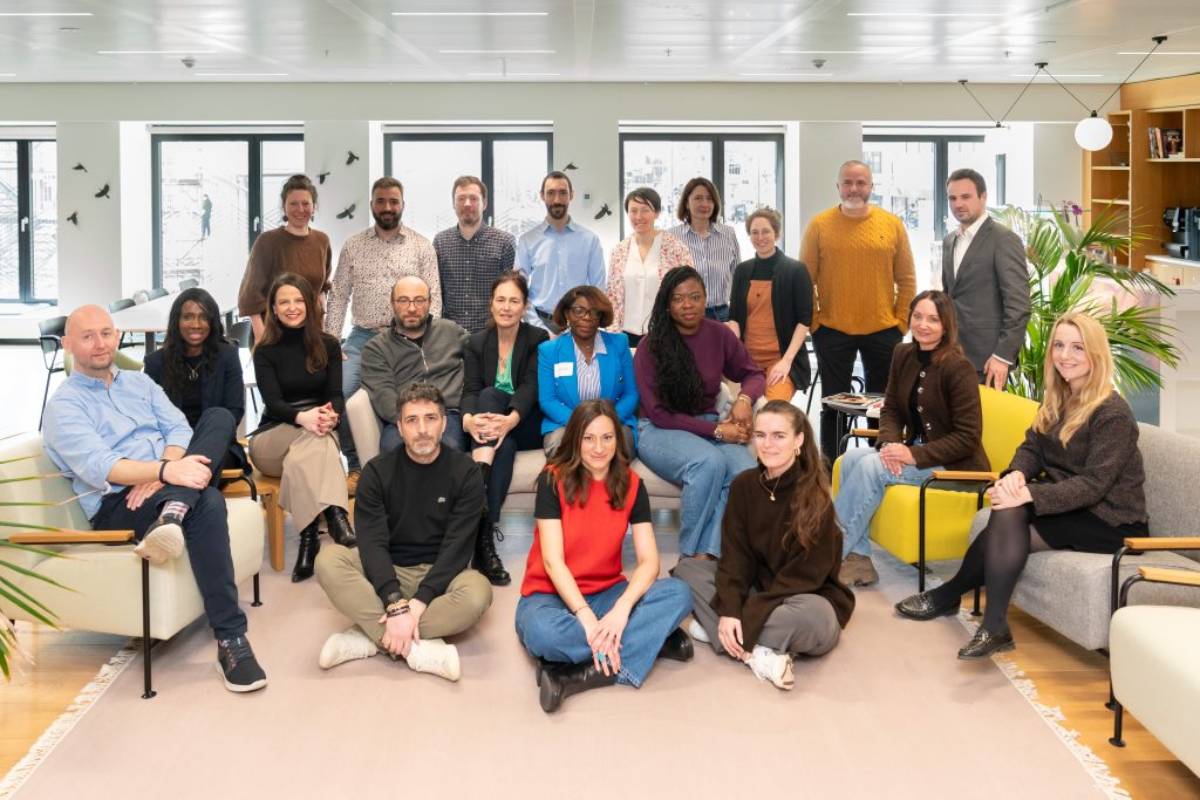
Image Source: Silicon Luxembourg

A growing conversation is emerging within Europe’s startup ecosystem around the unseen challenges that entrepreneurs face when launching new ventures. While startup success stories often dominate headlines, experts are increasingly highlighting the operational, financial, and personal pitfalls that can derail promising businesses, carrying implications for founders, investors, and policymakers alike.

The discussion centers on the realities of launching a business, particularly for first-time founders navigating complex regulatory, financial, and market environments. Industry stakeholders emphasize that startup challenges frequently extend beyond funding, encompassing issues such as team building, legal compliance, customer acquisition, and sustainable growth.

The conversation also highlights the importance of inclusive entrepreneurship, ensuring that founders from diverse backgrounds have access to mentorship, networks, and support systems. As European innovation ecosystems expand, organizations across Luxembourg and beyond are working to equip entrepreneurs with practical knowledge designed to reduce failure rates and improve long-term business resilience.

The initiative reflects a broader shift toward strengthening startup readiness rather than focusing solely on capital access. The development aligns with a broader trend across global markets where entrepreneurship is increasingly viewed as a strategic driver of innovation, job creation, and economic competitiveness. Governments and innovation agencies have invested heavily in startup ecosystems over the past decade, seeking to foster new technologies and attract investment.

However, research consistently shows that many startups struggle not because of weak ideas, but due to execution challenges. Common obstacles include cash-flow management, market validation failures, leadership gaps, and difficulties scaling operations. Economic uncertainty, higher interest rates, and evolving consumer expectations have further complicated the environment for emerging businesses.

Across Europe, policymakers have increasingly focused on building more inclusive entrepreneurial ecosystems. This includes supporting underrepresented founders, improving access to training and mentorship, and creating pathways that encourage sustainable business formation. Luxembourg has positioned itself as a growing innovation hub, making startup education and ecosystem development a strategic priority.

Startup advisors and ecosystem leaders argue that entrepreneurial success depends as much on preparation and adaptability as it does on innovation. Experts frequently note that founders underestimate operational complexity during the early stages of company formation, often focusing heavily on product development while neglecting areas such as governance, financial planning, and customer acquisition.

Business analysts suggest that startup ecosystems are becoming more mature by emphasizing founder education alongside funding opportunities. Mentorship networks, accelerator programs, and entrepreneurial training initiatives are increasingly viewed as critical components of startup success.

Industry observers also point to the growing importance of inclusive entrepreneurship. Diverse founder communities bring broader perspectives and innovation potential, yet often face additional barriers to accessing capital and strategic networks. Experts contend that reducing these barriers can strengthen economic growth and improve overall ecosystem performance.

The emerging consensus is that resilience, adaptability, and informed decision-making remain essential competitive advantages for entrepreneurs. For businesses, the discussion reinforces the need for stronger planning frameworks and risk-management strategies during the startup phase. Founders may need to invest more time in market validation, financial controls, and leadership development before pursuing aggressive expansion.

Investors could benefit from supporting portfolio companies beyond capital deployment, providing mentorship and operational expertise to improve outcomes. Stronger founder support mechanisms may also reduce investment risk over time.

From a policy perspective, governments are increasingly recognizing that successful entrepreneurship requires more than funding incentives. Regulatory simplification, founder education programs, networking opportunities, and inclusive support structures are becoming important tools for fostering sustainable innovation ecosystems and economic growth.

As startup ecosystems continue to evolve, attention is likely to shift toward founder preparedness and long-term business sustainability. Policymakers, investors, and innovation organizations will closely monitor how education, mentorship, and inclusive entrepreneurship initiatives influence startup survival rates.

For decision-makers, the challenge is clear: building successful innovation economies requires not only encouraging new business creation but also equipping founders with the skills and resources needed to navigate the realities of growth and competition.

Source: Silicon Luxembourg
Date: June 24, 2026

  • Featured tools
Upscayl AI
Free

Upscayl AI is a free, open-source AI-powered tool that enhances and upscales images to higher resolutions. It transforms blurry or low-quality visuals into sharp, detailed versions with ease.

#
Productivity
Learn more
Hostinger Website Builder
Paid

Hostinger Website Builder is a drag-and-drop website creator bundled with hosting and AI-powered tools, designed for businesses, blogs and small shops with minimal technical effort.It makes launching a site fast and affordable, with templates, responsive design and built-in hosting all in one.

#
Productivity
#
Startup Tools
#
Ecommerce
Learn more

Learn more about future of AI

Join 80,000+ Ai enthusiast getting weekly updates on exciting AI tools.
Thank you! Your submission has been received!
Oops! Something went wrong while submitting the form.

Startup Founders Face Hidden Risks

June 24, 2026

The discussion centers on the realities of launching a business, particularly for first-time founders navigating complex regulatory, financial, and market environments.

Image Source: Silicon Luxembourg

A growing conversation is emerging within Europe’s startup ecosystem around the unseen challenges that entrepreneurs face when launching new ventures. While startup success stories often dominate headlines, experts are increasingly highlighting the operational, financial, and personal pitfalls that can derail promising businesses, carrying implications for founders, investors, and policymakers alike.

The discussion centers on the realities of launching a business, particularly for first-time founders navigating complex regulatory, financial, and market environments. Industry stakeholders emphasize that startup challenges frequently extend beyond funding, encompassing issues such as team building, legal compliance, customer acquisition, and sustainable growth.

The conversation also highlights the importance of inclusive entrepreneurship, ensuring that founders from diverse backgrounds have access to mentorship, networks, and support systems. As European innovation ecosystems expand, organizations across Luxembourg and beyond are working to equip entrepreneurs with practical knowledge designed to reduce failure rates and improve long-term business resilience.

The initiative reflects a broader shift toward strengthening startup readiness rather than focusing solely on capital access. The development aligns with a broader trend across global markets where entrepreneurship is increasingly viewed as a strategic driver of innovation, job creation, and economic competitiveness. Governments and innovation agencies have invested heavily in startup ecosystems over the past decade, seeking to foster new technologies and attract investment.

However, research consistently shows that many startups struggle not because of weak ideas, but due to execution challenges. Common obstacles include cash-flow management, market validation failures, leadership gaps, and difficulties scaling operations. Economic uncertainty, higher interest rates, and evolving consumer expectations have further complicated the environment for emerging businesses.

Across Europe, policymakers have increasingly focused on building more inclusive entrepreneurial ecosystems. This includes supporting underrepresented founders, improving access to training and mentorship, and creating pathways that encourage sustainable business formation. Luxembourg has positioned itself as a growing innovation hub, making startup education and ecosystem development a strategic priority.

Startup advisors and ecosystem leaders argue that entrepreneurial success depends as much on preparation and adaptability as it does on innovation. Experts frequently note that founders underestimate operational complexity during the early stages of company formation, often focusing heavily on product development while neglecting areas such as governance, financial planning, and customer acquisition.

Business analysts suggest that startup ecosystems are becoming more mature by emphasizing founder education alongside funding opportunities. Mentorship networks, accelerator programs, and entrepreneurial training initiatives are increasingly viewed as critical components of startup success.

Industry observers also point to the growing importance of inclusive entrepreneurship. Diverse founder communities bring broader perspectives and innovation potential, yet often face additional barriers to accessing capital and strategic networks. Experts contend that reducing these barriers can strengthen economic growth and improve overall ecosystem performance.

The emerging consensus is that resilience, adaptability, and informed decision-making remain essential competitive advantages for entrepreneurs. For businesses, the discussion reinforces the need for stronger planning frameworks and risk-management strategies during the startup phase. Founders may need to invest more time in market validation, financial controls, and leadership development before pursuing aggressive expansion.

Investors could benefit from supporting portfolio companies beyond capital deployment, providing mentorship and operational expertise to improve outcomes. Stronger founder support mechanisms may also reduce investment risk over time.

From a policy perspective, governments are increasingly recognizing that successful entrepreneurship requires more than funding incentives. Regulatory simplification, founder education programs, networking opportunities, and inclusive support structures are becoming important tools for fostering sustainable innovation ecosystems and economic growth.

As startup ecosystems continue to evolve, attention is likely to shift toward founder preparedness and long-term business sustainability. Policymakers, investors, and innovation organizations will closely monitor how education, mentorship, and inclusive entrepreneurship initiatives influence startup survival rates.

For decision-makers, the challenge is clear: building successful innovation economies requires not only encouraging new business creation but also equipping founders with the skills and resources needed to navigate the realities of growth and competition.

Source: Silicon Luxembourg
Date: June 24, 2026

Promote Your Tool

Copy Embed Code

Similar Blogs

June 24, 2026
|

A16z Backs Endra Engineering Automation

Endra’s $50 million Series A round, led by Andreessen Horowitz, marks one of the largest early-stage investments in AI-driven engineering design tools in Europe.
Read more
June 24, 2026
|

Netcompany Expands Smart Airport Play

Netcompany’s acquisition of full control over Smarter Airports marks a strategic expansion into intelligent aviation infrastructure systems. The platform, integrated with AIRHART technology, is already being deployed at major hubs.
Read more
June 24, 2026
|

Swiss VC Market Enters Maturity Phase

The Swiss venture landscape is showing increased exit momentum through acquisitions and secondary sales, indicating healthier liquidity cycles for early-stage investors.
Read more
June 24, 2026
|

Switzerland Expands Apple AI Rollout

The rollout introduces enhanced AI functions within Siri for Swiss iPhone users, aligning with Apple’s broader upgrade cycle for its ecosystem. The update is part of a phased global deployment of Apple Intelligence.
Read more
June 24, 2026
|

Swiss Youth Face Deepfake Sextortion Surge

Swiss authorities and cybersecurity organizations report a rise in cases involving deepfake imagery and sextortion targeting minors and young adults.
Read more
June 24, 2026
|

Swiss Data Infrastructure Scrutinized

Reports questioning Google’s operational links involving Israeli business activity have drawn attention to the company’s use of Swiss-based servers for data handling and cloud services.
Read more