
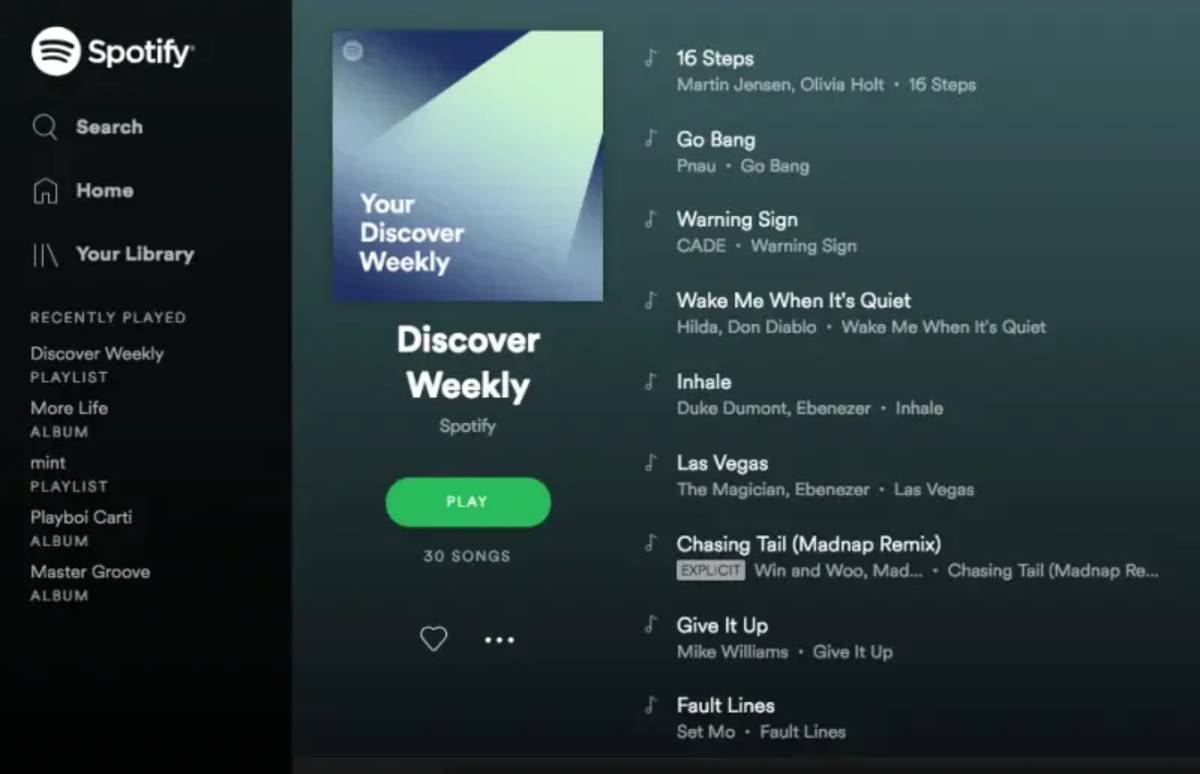
SpotiDown Expands Digital Music Management

SpotiDown gained attention as a tool associated with downloading or managing music content from streaming platforms, reflecting user interest in offline access and personalized media experiences.

July 29, 2026
|

A major shift in digital music consumption is highlighting growing demand for flexible audio management solutions as users seek greater control over streaming content. SpotiDown represents a broader movement of third-party music tools emerging around popular platforms, raising discussions about convenience, technology innovation, copyright protection, and the future of digital entertainment.

SpotiDown gained attention as a tool associated with downloading or managing music content from streaming platforms, reflecting user interest in offline access and personalized media experiences. The platform belongs to a wider category of applications designed to extend functionality beyond traditional streaming services.

The growth of these tools has created both opportunities and challenges for the music technology ecosystem. Streaming companies continue investing in subscription models, security measures, and exclusive content strategies, while third-party solutions compete by offering additional flexibility.

The development highlights the ongoing balance between user convenience, platform control, and digital content rights. The emergence of tools like SpotiDown reflects the transformation of the global music industry from ownership-based models toward streaming-driven consumption. Platforms such as subscription music services have reshaped how audiences discover, access, and interact with digital audio content.

As streaming becomes the dominant distribution model, users increasingly expect seamless access, offline listening options, and personalized experiences. However, technology companies and music rights holders continue to focus on protecting intellectual property and ensuring artists receive compensation.

This development aligns with a broader trend across digital markets where independent tools often emerge to address consumer demands that large platforms may not fully prioritize. Similar debates exist across video, software, and online publishing industries, where accessibility and content protection remain key strategic concerns.

Industry analysts view the rise of third-party music tools as evidence of changing consumer expectations in the digital entertainment market. Experts suggest that users increasingly value flexibility, ownership-like experiences, and control over their personal media libraries.

Music industry leaders continue emphasizing the importance of protecting licensing agreements and ensuring creators benefit from digital distribution. Streaming platforms are responding by improving offline features, expanding premium subscriptions, and strengthening technical protections.

Technology observers believe the long-term solution will require collaboration between platforms, creators, and consumers. Companies that deliver convenient, secure, and user-focused experiences may gain stronger loyalty as competition in the digital audio market intensifies.

For music technology companies, SpotiDown highlights the importance of understanding consumer demand for flexibility while maintaining sustainable revenue models. Streaming providers may need to continue improving user features to reduce reliance on unofficial alternatives.

Investors are closely monitoring how entertainment platforms balance growth, content protection, and customer satisfaction. Regulatory bodies may continue examining digital copyright enforcement and fair compensation frameworks.

Businesses operating in digital media must focus on innovation, security, and transparent policies. Companies that successfully combine convenience with respect for intellectual property will be better positioned in the evolving global entertainment economy.

The future of digital music management will likely be shaped by improved streaming technology, AI-powered personalization, and stronger integration between platforms and users’ digital lifestyles. As consumer expectations continue evolving, companies will need to deliver greater flexibility while protecting creative ecosystems. Decision-makers should watch how streaming services adapt to changing behaviors and emerging competition from independent technology solutions.

Source: AlternativeTo
Date: July 21, 2026

  • Featured tools
Figstack AI
Free

Figstack AI is an intelligent assistant for developers that explains code, generates docstrings, converts code between languages, and analyzes time complexity helping you work smarter, not harder.

#
Coding
Learn more
Hostinger Website Builder
Paid

Hostinger Website Builder is a drag-and-drop website creator bundled with hosting and AI-powered tools, designed for businesses, blogs and small shops with minimal technical effort.It makes launching a site fast and affordable, with templates, responsive design and built-in hosting all in one.

#
Productivity
#
Startup Tools
#
Ecommerce
Learn more

Learn more about future of AI

Join 80,000+ Ai enthusiast getting weekly updates on exciting AI tools.
Thank you! Your submission has been received!
Oops! Something went wrong while submitting the form.

SpotiDown Expands Digital Music Management

July 29, 2026

SpotiDown gained attention as a tool associated with downloading or managing music content from streaming platforms, reflecting user interest in offline access and personalized media experiences.

A major shift in digital music consumption is highlighting growing demand for flexible audio management solutions as users seek greater control over streaming content. SpotiDown represents a broader movement of third-party music tools emerging around popular platforms, raising discussions about convenience, technology innovation, copyright protection, and the future of digital entertainment.

SpotiDown gained attention as a tool associated with downloading or managing music content from streaming platforms, reflecting user interest in offline access and personalized media experiences. The platform belongs to a wider category of applications designed to extend functionality beyond traditional streaming services.

The growth of these tools has created both opportunities and challenges for the music technology ecosystem. Streaming companies continue investing in subscription models, security measures, and exclusive content strategies, while third-party solutions compete by offering additional flexibility.

The development highlights the ongoing balance between user convenience, platform control, and digital content rights. The emergence of tools like SpotiDown reflects the transformation of the global music industry from ownership-based models toward streaming-driven consumption. Platforms such as subscription music services have reshaped how audiences discover, access, and interact with digital audio content.

As streaming becomes the dominant distribution model, users increasingly expect seamless access, offline listening options, and personalized experiences. However, technology companies and music rights holders continue to focus on protecting intellectual property and ensuring artists receive compensation.

This development aligns with a broader trend across digital markets where independent tools often emerge to address consumer demands that large platforms may not fully prioritize. Similar debates exist across video, software, and online publishing industries, where accessibility and content protection remain key strategic concerns.

Industry analysts view the rise of third-party music tools as evidence of changing consumer expectations in the digital entertainment market. Experts suggest that users increasingly value flexibility, ownership-like experiences, and control over their personal media libraries.

Music industry leaders continue emphasizing the importance of protecting licensing agreements and ensuring creators benefit from digital distribution. Streaming platforms are responding by improving offline features, expanding premium subscriptions, and strengthening technical protections.

Technology observers believe the long-term solution will require collaboration between platforms, creators, and consumers. Companies that deliver convenient, secure, and user-focused experiences may gain stronger loyalty as competition in the digital audio market intensifies.

For music technology companies, SpotiDown highlights the importance of understanding consumer demand for flexibility while maintaining sustainable revenue models. Streaming providers may need to continue improving user features to reduce reliance on unofficial alternatives.

Investors are closely monitoring how entertainment platforms balance growth, content protection, and customer satisfaction. Regulatory bodies may continue examining digital copyright enforcement and fair compensation frameworks.

Businesses operating in digital media must focus on innovation, security, and transparent policies. Companies that successfully combine convenience with respect for intellectual property will be better positioned in the evolving global entertainment economy.

The future of digital music management will likely be shaped by improved streaming technology, AI-powered personalization, and stronger integration between platforms and users’ digital lifestyles. As consumer expectations continue evolving, companies will need to deliver greater flexibility while protecting creative ecosystems. Decision-makers should watch how streaming services adapt to changing behaviors and emerging competition from independent technology solutions.

Source: AlternativeTo
Date: July 21, 2026

Promote Your Tool

Copy Embed Code

Similar Blogs

August 10, 2026
|

Content Marketing Software Accelerates Enterprise Growth

The content marketing software category encompasses platforms designed to support multiple stages of the marketing lifecycle, including content planning, creation, collaboration, distribution, optimization and performance measurement.
Read more
August 10, 2026
|

3D Printing Software Drives Manufacturing Transformation

3D printing software encompasses a broad range of capabilities designed to support the additive manufacturing lifecycle. Platforms can assist with three-dimensional modeling, file preparation, slicing, print optimization.
Read more
August 10, 2026
|

ZenDMS Advances Enterprise Document Management

ZenDMS is positioned within the document management software segment, where businesses increasingly require centralized tools to store, organize and retrieve critical information.
Read more
August 10, 2026
|

SmartSimple Cloud Advances Grant Management Automation

SmartSimple Cloud is positioned as a configurable cloud platform designed to support grant management, corporate social responsibility, scholarship programs, awards and other complex funding workflows.
Read more
August 10, 2026
|

HaloPSA Accelerates Integrated Service Management

HaloPSA brings multiple professional services automation capabilities into a centralized environment, including service desk management, ticketing, contract management, asset tracking, project management.
Read more
August 10, 2026
|

Ministry Scheduler Pro Advances Workforce Coordination

Ministry Scheduler Pro is designed to support organizations that coordinate volunteers, employees and recurring assignments across multiple activities and locations.
Read more