
Spirality Expands Creative Generative Design Tools

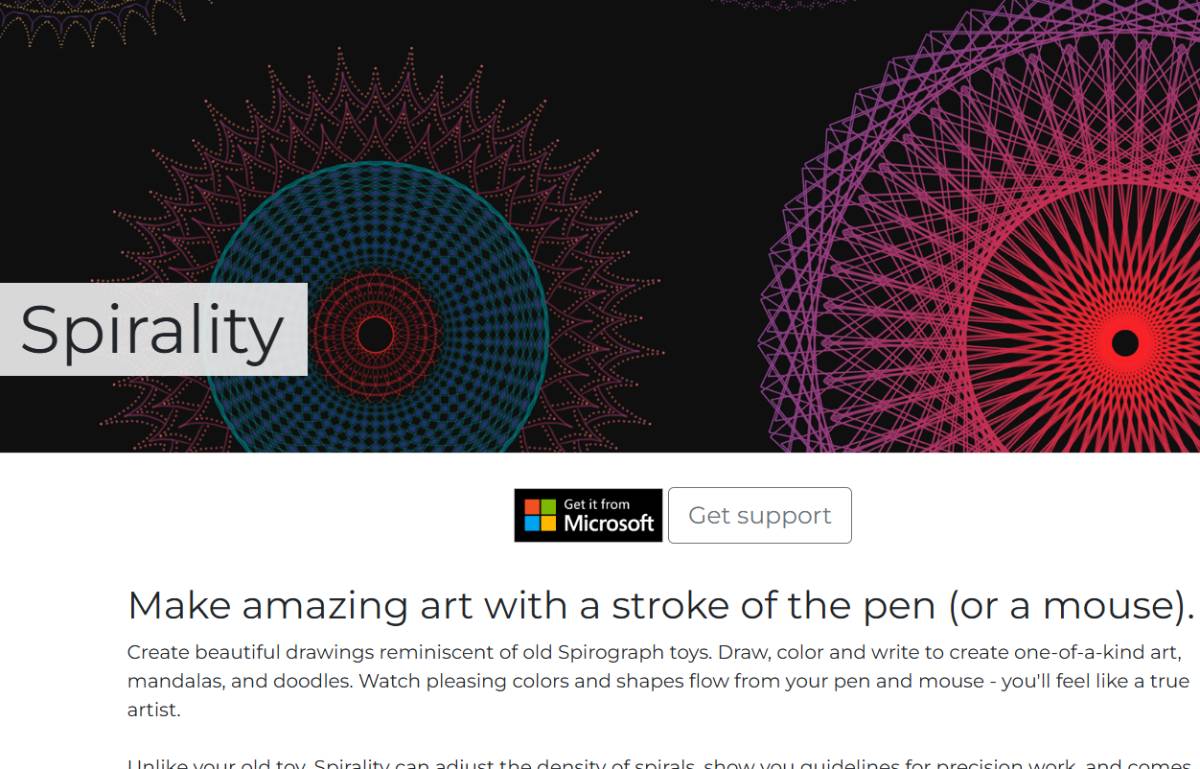
Spirality is a digital creativity tool focused on generating spiral-based artwork, patterns, and visually engaging designs through automated processes.

July 31, 2026
|

The creative technology landscape continues evolving as users and organizations explore innovative digital design tools that simplify visual creation. Spirality represents the growing demand for specialized creative software focused on generating unique patterns, artistic compositions, and visual experiences, reflecting a broader shift toward accessible design automation and digital creativity.

Spirality is a digital creativity tool focused on generating spiral-based artwork, patterns, and visually engaging designs through automated processes. The software enables users to experiment with mathematical structures and artistic concepts without requiring advanced design expertise.

Key stakeholders include digital artists, designers, educators, creative professionals, hobbyists, and technology communities exploring generative design. As interest in algorithm-driven creativity continues expanding, tools like Spirality demonstrate how software can bridge mathematics, programming, and visual expression.

The platform reflects broader growth in accessible creative applications that empower individuals to produce customized digital artwork while encouraging experimentation, learning, and innovation across creative industries.

Generative design and algorithm-assisted creativity have gained significant attention as digital tools become more accessible to professionals and everyday users. From graphic design and digital art to education and scientific visualization, software-driven creativity is transforming how people approach visual production.

This development aligns with a broader trend across global technology markets where automation, artificial intelligence, and computational design are reshaping creative workflows. Designers increasingly use digital tools to explore complex patterns, accelerate experimentation, and develop new forms of visual communication.

Historically, mathematical patterns such as spirals have influenced architecture, nature-inspired design, and artistic movements. Modern software applications bring these concepts into interactive digital environments, allowing users to create sophisticated visuals with minimal technical barriers. As creative technology advances, generative tools are expected to become increasingly integrated into education, marketing, entertainment, and design industries.

Creative technology analysts believe generative design platforms are expanding access to digital creativity by reducing technical barriers for users. These tools allow individuals to explore complex visual concepts while encouraging innovation and experimentation.

Design professionals highlight that algorithm-based applications can complement traditional creative workflows by helping artists generate new ideas, test compositions, and discover unconventional patterns. Educational experts also recognize the value of such tools in teaching relationships between mathematics, technology, and artistic expression.

As computational creativity continues developing, industry specialists expect greater collaboration between designers, software developers, and researchers. The future of digital creativity is likely to involve a combination of human imagination and automated systems that enhance creative possibilities rather than replace artistic decision-making.

For businesses, creative automation tools can support faster ideation, digital marketing development, product visualization, and customer engagement strategies. Companies adopting innovative design technologies may improve creative efficiency while reducing production challenges.

Investors continue watching the expansion of creative software markets as demand grows for digital content creation tools and automation platforms. Policymakers may increasingly focus on areas such as digital education, intellectual property protection, and responsible adoption of emerging creative technologies.

For executives, integrating modern design tools into innovation strategies can help organizations remain competitive in a rapidly changing digital economy. The future of generative design will likely be shaped by advances in artificial intelligence, interactive software, and computational creativity. Decision-makers should monitor how creative tools evolve across industries including education, marketing, entertainment, and digital production. Organizations that combine human creativity with emerging technologies will be better positioned to develop engaging visual experiences and adapt to the next phase of digital innovation.

Source: AlternativeTo
Date: July 31, 2026

  • Featured tools
WellSaid Ai
Free

WellSaid AI is an advanced text-to-speech platform that transforms written text into lifelike, human-quality voiceovers.

#
Text to Speech
Learn more
Scalenut AI
Free

Scalenut AI is an all-in-one SEO content platform that combines AI-driven writing, keyword research, competitor insights, and optimization tools to help you plan, create, and rank content.

#
SEO
Learn more

Learn more about future of AI

Join 80,000+ Ai enthusiast getting weekly updates on exciting AI tools.
Thank you! Your submission has been received!
Oops! Something went wrong while submitting the form.

Spirality Expands Creative Generative Design Tools

July 31, 2026

Spirality is a digital creativity tool focused on generating spiral-based artwork, patterns, and visually engaging designs through automated processes.

The creative technology landscape continues evolving as users and organizations explore innovative digital design tools that simplify visual creation. Spirality represents the growing demand for specialized creative software focused on generating unique patterns, artistic compositions, and visual experiences, reflecting a broader shift toward accessible design automation and digital creativity.

Spirality is a digital creativity tool focused on generating spiral-based artwork, patterns, and visually engaging designs through automated processes. The software enables users to experiment with mathematical structures and artistic concepts without requiring advanced design expertise.

Key stakeholders include digital artists, designers, educators, creative professionals, hobbyists, and technology communities exploring generative design. As interest in algorithm-driven creativity continues expanding, tools like Spirality demonstrate how software can bridge mathematics, programming, and visual expression.

The platform reflects broader growth in accessible creative applications that empower individuals to produce customized digital artwork while encouraging experimentation, learning, and innovation across creative industries.

Generative design and algorithm-assisted creativity have gained significant attention as digital tools become more accessible to professionals and everyday users. From graphic design and digital art to education and scientific visualization, software-driven creativity is transforming how people approach visual production.

This development aligns with a broader trend across global technology markets where automation, artificial intelligence, and computational design are reshaping creative workflows. Designers increasingly use digital tools to explore complex patterns, accelerate experimentation, and develop new forms of visual communication.

Historically, mathematical patterns such as spirals have influenced architecture, nature-inspired design, and artistic movements. Modern software applications bring these concepts into interactive digital environments, allowing users to create sophisticated visuals with minimal technical barriers. As creative technology advances, generative tools are expected to become increasingly integrated into education, marketing, entertainment, and design industries.

Creative technology analysts believe generative design platforms are expanding access to digital creativity by reducing technical barriers for users. These tools allow individuals to explore complex visual concepts while encouraging innovation and experimentation.

Design professionals highlight that algorithm-based applications can complement traditional creative workflows by helping artists generate new ideas, test compositions, and discover unconventional patterns. Educational experts also recognize the value of such tools in teaching relationships between mathematics, technology, and artistic expression.

As computational creativity continues developing, industry specialists expect greater collaboration between designers, software developers, and researchers. The future of digital creativity is likely to involve a combination of human imagination and automated systems that enhance creative possibilities rather than replace artistic decision-making.

For businesses, creative automation tools can support faster ideation, digital marketing development, product visualization, and customer engagement strategies. Companies adopting innovative design technologies may improve creative efficiency while reducing production challenges.

Investors continue watching the expansion of creative software markets as demand grows for digital content creation tools and automation platforms. Policymakers may increasingly focus on areas such as digital education, intellectual property protection, and responsible adoption of emerging creative technologies.

For executives, integrating modern design tools into innovation strategies can help organizations remain competitive in a rapidly changing digital economy. The future of generative design will likely be shaped by advances in artificial intelligence, interactive software, and computational creativity. Decision-makers should monitor how creative tools evolve across industries including education, marketing, entertainment, and digital production. Organizations that combine human creativity with emerging technologies will be better positioned to develop engaging visual experiences and adapt to the next phase of digital innovation.

Source: AlternativeTo
Date: July 31, 2026

Promote Your Tool

Copy Embed Code

Similar Blogs

August 14, 2026
|

Benefitfocus Expands Digital Benefits Administration

Benefitfocus provides cloud-based technology covering benefits enrollment, administration, communications, billing, payments and data exchange.
Read more
August 14, 2026
|

Travel Agent Revenue Models Evolve Digitally

Travel agencies can earn commissions when customers book hotels, cruises, tours, vacation packages and other travel products through them. Suppliers may pay agents for generating bookings, making commissions a traditional component of agency revenue.
Read more
August 14, 2026
|

Sofon Advances Guided Selling CPQ Automation

Sofon's platform combines guided selling, product configuration, pricing, quotation and sales-management capabilities. Guided questionnaires help sales teams identify customer requirements and translate them into suitable product configurations.
Read more
August 14, 2026
|

WellRyde Advances Medical Transportation Management

WellRyde provides technology for managing non-emergency medical transportation operations, including trip scheduling, dispatch coordination, transportation-provider management and reporting.
Read more
August 14, 2026
|

Review WAVE Advances Digital Patient Engagement

Review WAVE provides healthcare practices with tools for online appointment scheduling, two-way texting, automated appointment reminders, digital forms, web chat, marketing campaigns and online review generation.
Read more
August 14, 2026
|

Edgenuity Expands Digital Virtual Education

Edgenuity provides digital curriculum and learning solutions covering core academic subjects, electives, Advanced Placement and career-oriented education.
Read more