
SpaceX Ties Up With Cursor in $60B AI Deal

SpaceX is moving toward a strategic arrangement with Cursor, a rapidly emerging AI coding and software development platform. The deal valued at approximately $60 billion highlights growing enterprise reliance on AI-assisted engineering workflows.

April 22, 2026
|
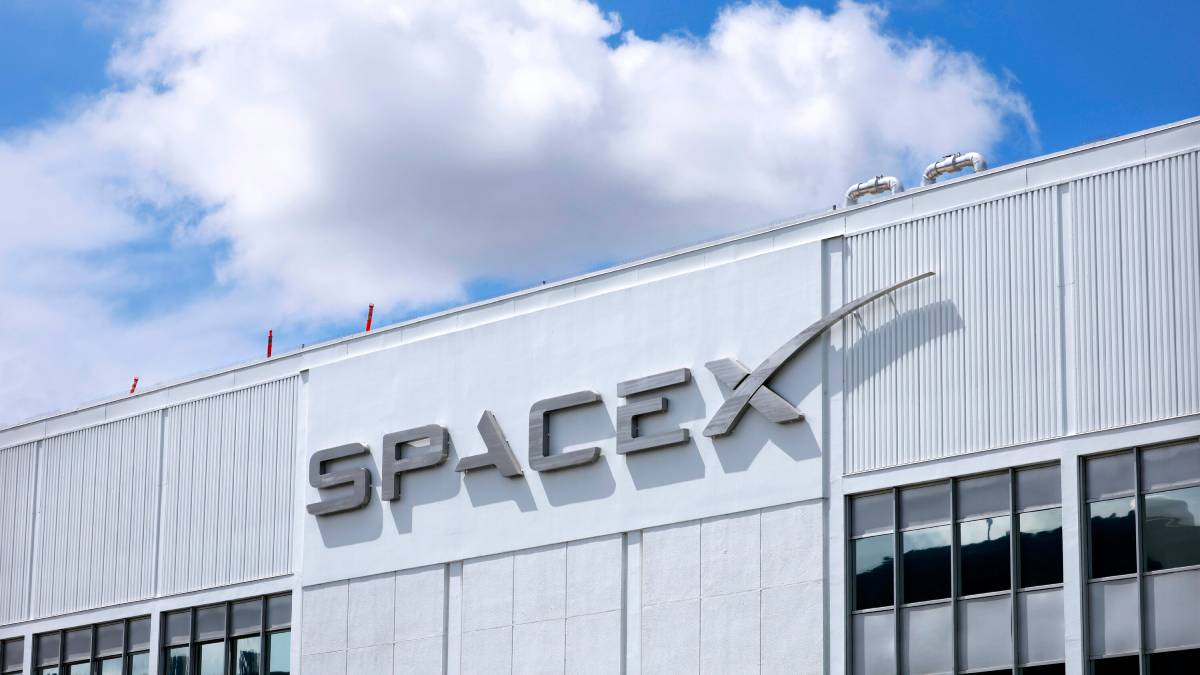
Image Source: The New York Times

A reported agreement between aerospace leader SpaceX and AI coding platform Cursor has signaled a high-value convergence of space technology and software intelligence. Valued at around $60 billion, the deal reflects accelerating integration between advanced engineering ecosystems and AI-driven development tools, with implications for industrial innovation and global technology competition.

SpaceX is moving toward a strategic arrangement with Cursor, a rapidly emerging AI coding and software development platform. The deal valued at approximately $60 billion highlights growing enterprise reliance on AI-assisted engineering workflows and automated development systems.

Cursor operates as an AI platform and AI framework designed to enhance software creation through generative coding capabilities. The reported collaboration suggests potential integration of AI-powered development tools into high-complexity aerospace systems. While official confirmations remain limited, the structure is being interpreted as a signal of deeper convergence between frontier engineering and AI-driven productivity infrastructure.

The development aligns with a broader trend across global markets where AI frameworks are becoming foundational to industrial engineering and enterprise software ecosystems. Companies are increasingly embedding AI platforms into core workflows to accelerate design, testing, and deployment cycles.

Historically, aerospace engineering has relied on highly specialized, manual coding environments. However, the emergence of generative AI systems is reshaping how complex systems are designed and optimized. This shift is particularly relevant for organizations like SpaceX, which operate at the intersection of software-intensive aerospace and autonomous systems development.

The reported deal also reflects rising competition among technology leaders to secure proprietary AI infrastructure advantages. As AI platforms evolve into core productivity engines, strategic partnerships between hardware-intensive and software-native firms are becoming more common across advanced industries.

Technology analysts suggest that the reported collaboration represents a structural shift in how AI is deployed within mission-critical engineering environments. Rather than being limited to standalone applications, AI frameworks are increasingly being integrated directly into production pipelines.

Industry observers note that aerospace companies could benefit significantly from AI-assisted coding systems, particularly in reducing development cycles and improving simulation accuracy. However, experts also caution that embedding generative AI into safety-critical systems introduces governance, validation, and reliability challenges.

Some analysts argue that partnerships of this scale may redefine competitive dynamics in both the AI and aerospace sectors, as firms compete to build vertically integrated AI-enabled engineering stacks. The role of Cursor as an AI platform is seen as particularly relevant in accelerating this convergence.

For global executives, the reported deal signals a shift toward AI-native industrial infrastructure, where AI frameworks are not auxiliary tools but core operational layers. Businesses in aerospace, defense, and advanced manufacturing may increasingly adopt similar AI-driven development ecosystems.

Investors are likely to view AI platform integration as a key valuation driver across both software and hardware sectors. However, execution risks remain tied to regulatory scrutiny and system reliability in critical applications.

From a policy perspective, governments may begin evaluating standards for AI use in safety-sensitive industries, particularly where generative systems influence engineering decisions at scale.

Looking ahead, attention will focus on whether the reported collaboration becomes a blueprint for broader AI integration in aerospace engineering. Market participants will watch for formal announcements, implementation timelines, and potential expansion into other industrial domains.

The broader uncertainty lies in how quickly AI frameworks can be validated for mission-critical environments without compromising safety or compliance standards.

Source: The New York Times
Date: April 2026

  • Featured tools
Outplay AI
Free

Outplay AI is a dynamic sales engagement platform combining AI-powered outreach, multi-channel automation, and performance tracking to help teams optimize conversion and pipeline generation.

#
Sales
Learn more
Beautiful AI
Free

Beautiful AI is an AI-powered presentation platform that automates slide design and formatting, enabling users to create polished, on-brand presentations quickly.

#
Presentation
Learn more

Learn more about future of AI

Join 80,000+ Ai enthusiast getting weekly updates on exciting AI tools.
Thank you! Your submission has been received!
Oops! Something went wrong while submitting the form.

SpaceX Ties Up With Cursor in $60B AI Deal

April 22, 2026

SpaceX is moving toward a strategic arrangement with Cursor, a rapidly emerging AI coding and software development platform. The deal valued at approximately $60 billion highlights growing enterprise reliance on AI-assisted engineering workflows.

Image Source: The New York Times

A reported agreement between aerospace leader SpaceX and AI coding platform Cursor has signaled a high-value convergence of space technology and software intelligence. Valued at around $60 billion, the deal reflects accelerating integration between advanced engineering ecosystems and AI-driven development tools, with implications for industrial innovation and global technology competition.

SpaceX is moving toward a strategic arrangement with Cursor, a rapidly emerging AI coding and software development platform. The deal valued at approximately $60 billion highlights growing enterprise reliance on AI-assisted engineering workflows and automated development systems.

Cursor operates as an AI platform and AI framework designed to enhance software creation through generative coding capabilities. The reported collaboration suggests potential integration of AI-powered development tools into high-complexity aerospace systems. While official confirmations remain limited, the structure is being interpreted as a signal of deeper convergence between frontier engineering and AI-driven productivity infrastructure.

The development aligns with a broader trend across global markets where AI frameworks are becoming foundational to industrial engineering and enterprise software ecosystems. Companies are increasingly embedding AI platforms into core workflows to accelerate design, testing, and deployment cycles.

Historically, aerospace engineering has relied on highly specialized, manual coding environments. However, the emergence of generative AI systems is reshaping how complex systems are designed and optimized. This shift is particularly relevant for organizations like SpaceX, which operate at the intersection of software-intensive aerospace and autonomous systems development.

The reported deal also reflects rising competition among technology leaders to secure proprietary AI infrastructure advantages. As AI platforms evolve into core productivity engines, strategic partnerships between hardware-intensive and software-native firms are becoming more common across advanced industries.

Technology analysts suggest that the reported collaboration represents a structural shift in how AI is deployed within mission-critical engineering environments. Rather than being limited to standalone applications, AI frameworks are increasingly being integrated directly into production pipelines.

Industry observers note that aerospace companies could benefit significantly from AI-assisted coding systems, particularly in reducing development cycles and improving simulation accuracy. However, experts also caution that embedding generative AI into safety-critical systems introduces governance, validation, and reliability challenges.

Some analysts argue that partnerships of this scale may redefine competitive dynamics in both the AI and aerospace sectors, as firms compete to build vertically integrated AI-enabled engineering stacks. The role of Cursor as an AI platform is seen as particularly relevant in accelerating this convergence.

For global executives, the reported deal signals a shift toward AI-native industrial infrastructure, where AI frameworks are not auxiliary tools but core operational layers. Businesses in aerospace, defense, and advanced manufacturing may increasingly adopt similar AI-driven development ecosystems.

Investors are likely to view AI platform integration as a key valuation driver across both software and hardware sectors. However, execution risks remain tied to regulatory scrutiny and system reliability in critical applications.

From a policy perspective, governments may begin evaluating standards for AI use in safety-sensitive industries, particularly where generative systems influence engineering decisions at scale.

Looking ahead, attention will focus on whether the reported collaboration becomes a blueprint for broader AI integration in aerospace engineering. Market participants will watch for formal announcements, implementation timelines, and potential expansion into other industrial domains.

The broader uncertainty lies in how quickly AI frameworks can be validated for mission-critical environments without compromising safety or compliance standards.

Source: The New York Times
Date: April 2026

Promote Your Tool

Copy Embed Code

Similar Blogs

June 25, 2026
|

OQ Tech Boosts Satellite Position

The European financing package will support OQ Technology’s expansion of its low Earth orbit (LEO) satellite constellation aimed at providing direct-to-device connectivity.
Read more
June 25, 2026
|

Women Led Startups Show Funding Gap

The startup ecosystem has seen a steady increase in women-founded and women-led companies, particularly in sectors such as digital services, healthtech, fintech, and sustainability-driven innovation.
Read more
June 25, 2026
|

AI Healthcare Unlocks Transformation Potential

AI applications in healthcare are expanding across multiple domains, including clinical decision support, medical imaging, drug discovery, and patient management systems.
Read more
June 25, 2026
|

Helical Raises $10M for AI Drug Lab

The funding round will enable Helical to scale its virtual AI lab infrastructure, which simulates complex biological processes for drug discovery.
Read more
June 25, 2026
|

Digital Healthtech Faces Investor Pressure

The guidance highlights that digital health startups must now demonstrate stronger clinical validation, data security standards, and measurable patient outcomes to secure investor confidence.
Read more
June 25, 2026
|

Luxembourg Space Strategy Turns Decade

Over the past ten years, Luxembourg has systematically developed its space sector through targeted investments, policy frameworks, and partnerships with private space companies.
Read more