



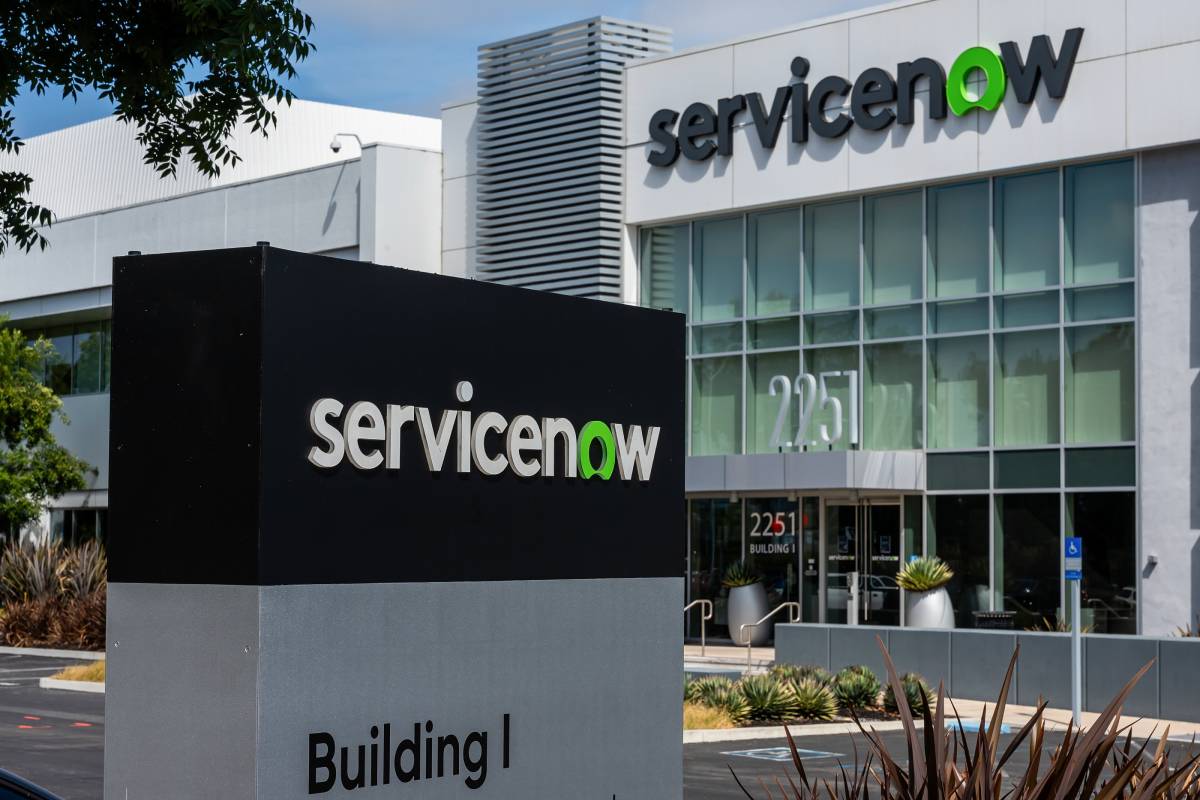
Global software markets faced sharp declines following earnings reports from ServiceNow and IBM, which intensified concerns over the pace and profitability of AI-driven growth. The market reaction underscores rising investor scrutiny of AI monetization strategies and signals shifting sentiment across enterprise technology sectors.
Shares of major software companies dropped significantly after ServiceNow and IBM reported earnings that fell short of market expectations or raised concerns about near-term growth trajectories.
Investors reacted to signals that AI investments may take longer to translate into revenue growth and profitability. The sell-off extended beyond the two companies, impacting broader software and cloud stocks.
The developments highlight growing sensitivity in markets to earnings guidance tied to AI adoption, with investors closely evaluating whether enterprise spending on AI platforms is translating into measurable financial returns. The volatility reflects recalibration of expectations around AI-driven growth cycles.
The decline in software stocks reflects a broader shift in market dynamics as artificial intelligence transitions from hype-driven growth expectations to execution-focused evaluation. Over the past year, AI has driven strong valuations across technology companies, with investors betting on rapid monetization of generative AI capabilities.
However, enterprise adoption cycles for AI solutions particularly in large-scale deployments are often longer and more complex than initially anticipated. Companies like ServiceNow and IBM are at the forefront of integrating AI into enterprise workflows, making their performance a key indicator of broader industry trends.
Historically, technology cycles have experienced similar phases of optimism followed by correction as markets adjust to realistic growth timelines. The current volatility suggests that AI adoption is entering a more mature phase focused on measurable business outcomes rather than speculative expansion.
Market analysts suggest that the reaction to ServiceNow and IBM earnings reflects a recalibration of expectations rather than a fundamental slowdown in AI adoption. Experts note that while demand for AI solutions remains strong, monetization timelines may be longer due to integration complexity and enterprise budgeting cycles.
Technology strategists emphasize that companies are still investing heavily in AI infrastructure, but revenue realization depends on successful deployment and scaling of use cases.
Industry observers also highlight that investor sentiment is becoming more selective, favoring companies with clear pathways to profitability in AI initiatives. While no direct quotes are cited, commentary broadly frames the sell-off as part of a natural market adjustment as AI transitions from early hype to operational reality.
For enterprises, the market reaction signals increasing pressure to demonstrate tangible returns on AI investments. Companies may need to reassess deployment strategies, focusing on measurable productivity gains and cost efficiencies.
For investors, the volatility highlights the importance of differentiating between companies with strong AI execution capabilities and those still in early adoption phases.
From a policy perspective, the shift underscores the need for clearer frameworks supporting enterprise AI adoption, including standards for transparency, accountability, and performance measurement. Governments may also monitor the broader economic impact of AI investment cycles on technology sector stability.
Looking ahead, markets are expected to remain sensitive to earnings signals related to AI monetization and enterprise adoption. Key factors to watch include revenue growth tied to AI services, cost management, and scalability of AI solutions. While short-term volatility may persist, long-term demand for AI-driven software is expected to remain strong as enterprises continue digital transformation initiatives.
Source: CNBC
Date: April 23, 2026


