



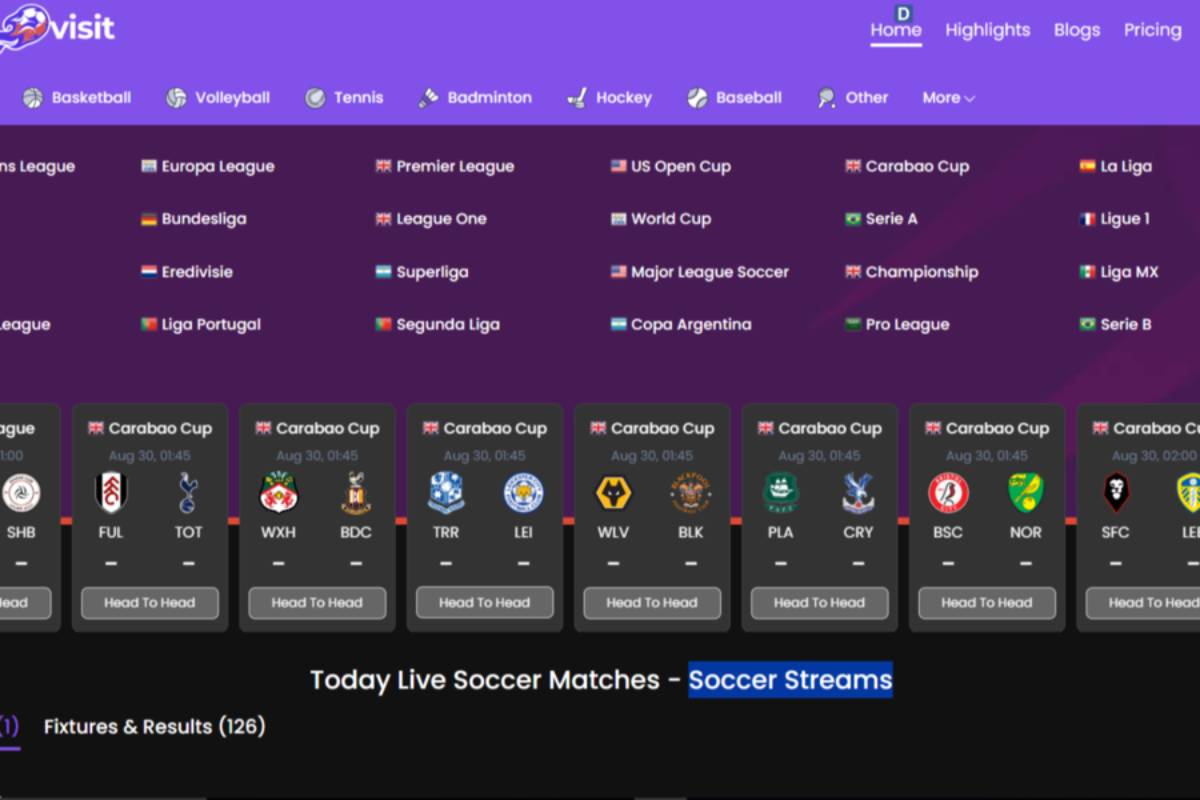
The global sports media landscape continues to transform as digital platforms reshape how audiences access live football content. Soccer Streams reflects the growing demand for online sports viewing solutions, underscoring broader shifts in media consumption, streaming technology, and fan engagement that are influencing broadcasters, technology providers, and the global sports industry.
Soccer Streams operates within the digital sports media ecosystem, highlighting increasing consumer demand for convenient online access to football-related content. The platform represents the broader movement toward internet-based sports viewing as audiences seek flexible alternatives to traditional broadcasting.
Key stakeholders include sports fans, streaming technology providers, broadcasters, football leagues, advertisers, and digital media companies. The rapid growth of online viewing continues to influence how sports organizations distribute content and engage audiences worldwide.
The evolution of digital sports platforms demonstrates the increasing importance of mobile accessibility, real-time content delivery, and user engagement in today's highly competitive sports entertainment market.
Sports broadcasting has undergone significant transformation over the past decade as streaming technologies increasingly complement or replace conventional television distribution. Football remains one of the world's most valuable entertainment sectors, attracting billions of viewers and substantial investments in broadcasting rights.
This development aligns with a broader trend across global markets where consumers expect flexible, on-demand access to live events across multiple devices. Advances in cloud infrastructure, content delivery networks, and mobile connectivity have accelerated the shift toward digital-first sports consumption.
At the same time, the industry faces ongoing challenges related to media rights, copyright protection, licensing agreements, and platform regulation. Rights holders continue investing heavily in secure digital distribution strategies while balancing commercial opportunities with consumer expectations. Platforms associated with online sports access reflect the broader evolution of digital media and fan engagement.
Media industry analysts suggest that digital sports consumption will remain one of the fastest-growing segments within the global entertainment economy. Experts point to increasing smartphone usage, connected television adoption, and personalized viewing experiences as major growth drivers.
Analysts also emphasize that sports organizations are investing in direct-to-consumer platforms, artificial intelligence-driven content recommendations, and interactive fan experiences to strengthen audience loyalty. Technology continues reshaping how fans discover, consume, and engage with live sporting events.
Industry specialists note that copyright enforcement and digital content protection remain central priorities for broadcasters and rights holders. Organizations are expected to continue investing in advanced monitoring technologies and legal frameworks to protect licensed sports content while improving legitimate digital viewing experiences.
For businesses, the continued growth of digital sports media creates opportunities in streaming infrastructure, advertising technology, subscription services, cloud delivery, and audience analytics. Companies supporting sports technology ecosystems may benefit from increasing consumer demand for digital entertainment.
Investors continue monitoring sports media as broadcasting models evolve toward online distribution. Policymakers and regulators are expected to maintain focus on copyright enforcement, digital licensing, consumer protection, and cross-border media regulations.
For executives, the shift toward digital sports consumption highlights the strategic importance of scalable technology infrastructure, secure content distribution, and innovative fan engagement strategies in an increasingly competitive global media landscape.
The future of sports media is expected to center on artificial intelligence, personalized viewing experiences, interactive content, and advanced streaming technologies. Decision-makers should monitor developments in broadcasting rights, digital content protection, and evolving consumer viewing habits. Organizations that successfully balance innovation, legal compliance, and seamless user experiences will be well positioned to lead the next generation of global sports entertainment.
Source: Crozdesk
Date: August 3, 2026


