
Snap Restructures AI Video Strategy

Snap has reportedly spun off its AI video team into a standalone company named Dotmo, citing the substantial costs associated with developing next-generation AI video generation technologies.

June 19, 2026
|
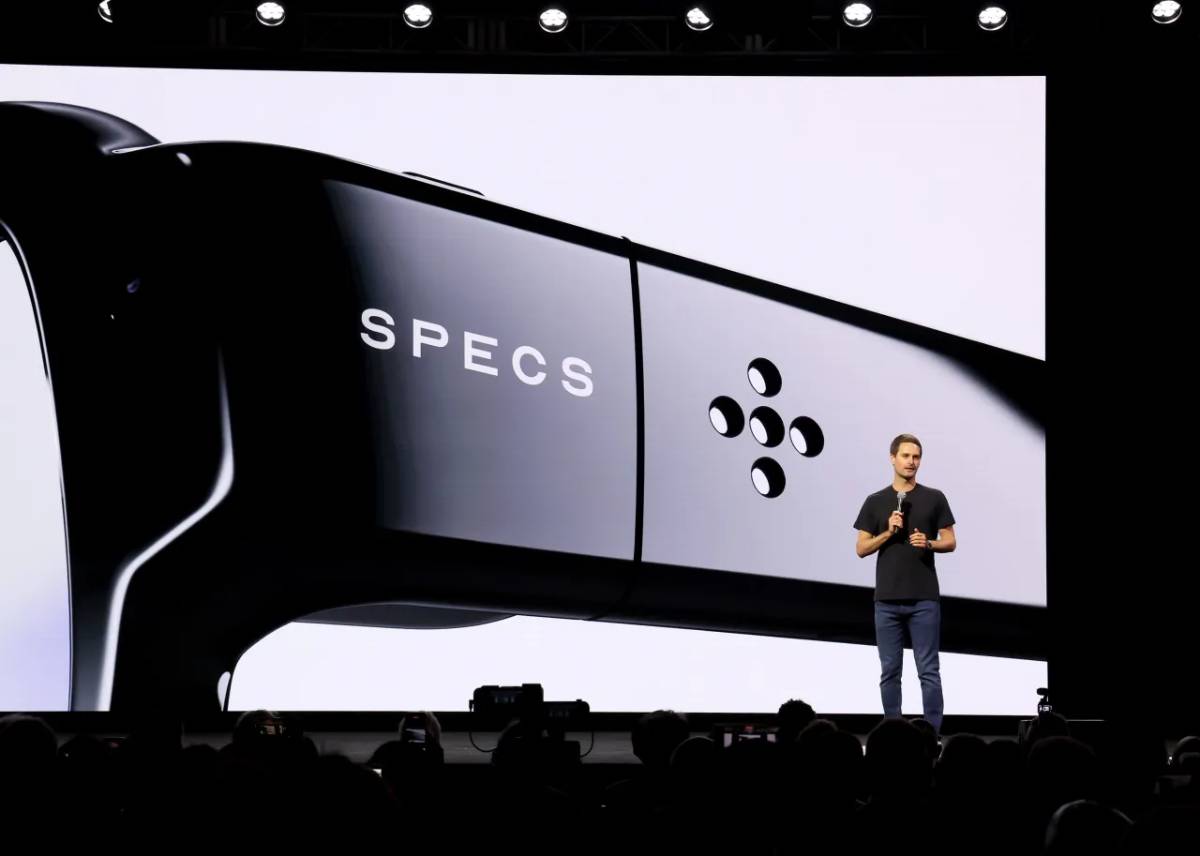
Image Source: TechCrunch

A notable shift emerged in the generative AI sector as Snap separated its AI video development team into an independent company called Dotmo. The move reflects growing financial pressures associated with building advanced AI video technologies and highlights how companies are reassessing commercialization strategies amid escalating infrastructure and research costs.

Snap has reportedly spun off its AI video team into a standalone company named Dotmo, citing the substantial costs associated with developing next-generation AI video generation technologies. The new entity will focus on advancing video creation tools while operating independently from Snap's broader corporate structure.

The decision comes as AI video generation becomes one of the most capital-intensive segments of the artificial intelligence market, requiring significant investments in computing infrastructure, model training, and engineering talent. By establishing Dotmo as a separate company, Snap aims to provide the team with greater operational flexibility and potential access to external funding sources.

The development underscores the increasing financial demands facing companies competing in the rapidly evolving AI ecosystem. The development aligns with a broader trend across the technology industry where companies are reevaluating how they fund and scale AI initiatives. While generative AI has attracted enormous investor enthusiasm, the cost of training and operating advanced models continues to rise sharply, particularly in computationally intensive areas such as video generation.

Unlike text-based AI systems, video models require significantly larger datasets, greater processing power, and more sophisticated infrastructure. As a result, many organizations are exploring alternative business structures, partnerships, and funding mechanisms to sustain innovation.

Over the past two years, major technology firms and startups have invested billions of dollars into AI-generated video platforms. Competition has intensified as companies seek to develop tools capable of producing realistic video content for marketing, entertainment, education, and enterprise applications. The emergence of specialized AI firms reflects a growing belief that focused organizations may be better positioned to compete in highly demanding technological niches.

Industry analysts view the spin-off as a strategic response to the economic realities of AI development. Experts note that while AI innovation remains a top priority for technology companies, shareholders increasingly expect clearer paths to profitability and disciplined capital allocation.

Corporate strategists frequently argue that independent entities can move faster, attract specialized investors, and pursue dedicated product roadmaps without competing for resources inside larger organizations. In Dotmo's case, the separation may enable management to focus exclusively on AI video technologies while pursuing partnerships across industries.

Technology observers also point out that AI video remains one of the most promising yet uncertain segments of the generative AI market. Success will depend not only on technical performance but also on monetization models, enterprise adoption, intellectual property considerations, and regulatory developments surrounding synthetic media.

The move is therefore being interpreted as both a financial and strategic restructuring designed to maximize future growth potential. For businesses, the spin-off demonstrates how organizations are adapting their structures to manage the rising costs of AI innovation. Companies investing in AI initiatives may increasingly consider partnerships, joint ventures, or standalone entities to improve operational efficiency and attract capital.

Investors will closely watch Dotmo's ability to secure funding, scale products, and establish a competitive position in the AI video market. The company's progress could serve as an important indicator of investor appetite for specialized AI ventures.

From a policy perspective, the continued growth of AI-generated video raises questions around content authenticity, misinformation, intellectual property rights, and disclosure requirements. Regulators worldwide are expected to intensify scrutiny as synthetic media technologies become more sophisticated.

The next phase for Dotmo will involve proving that an independent structure can accelerate innovation while maintaining financial sustainability. Decision-makers should monitor funding activity, product launches, enterprise partnerships, and adoption trends within the AI video sector.

As AI development costs continue to climb, more technology companies may explore similar restructuring strategies. Dotmo's performance could become a benchmark for how specialized AI ventures navigate the balance between innovation, scale, and profitability.

Source: TechCrunch
Date: June 18, 2026

  • Featured tools
Figstack AI
Free

Figstack AI is an intelligent assistant for developers that explains code, generates docstrings, converts code between languages, and analyzes time complexity helping you work smarter, not harder.

#
Coding
Learn more
Symphony Ayasdi AI
Free

SymphonyAI Sensa is an AI-powered surveillance and financial crime detection platform that surfaces hidden risk behavior through explainable, AI-driven analytics.

#
Finance
Learn more

Learn more about future of AI

Join 80,000+ Ai enthusiast getting weekly updates on exciting AI tools.
Thank you! Your submission has been received!
Oops! Something went wrong while submitting the form.

Snap Restructures AI Video Strategy

June 19, 2026

Snap has reportedly spun off its AI video team into a standalone company named Dotmo, citing the substantial costs associated with developing next-generation AI video generation technologies.

Image Source: TechCrunch

A notable shift emerged in the generative AI sector as Snap separated its AI video development team into an independent company called Dotmo. The move reflects growing financial pressures associated with building advanced AI video technologies and highlights how companies are reassessing commercialization strategies amid escalating infrastructure and research costs.

Snap has reportedly spun off its AI video team into a standalone company named Dotmo, citing the substantial costs associated with developing next-generation AI video generation technologies. The new entity will focus on advancing video creation tools while operating independently from Snap's broader corporate structure.

The decision comes as AI video generation becomes one of the most capital-intensive segments of the artificial intelligence market, requiring significant investments in computing infrastructure, model training, and engineering talent. By establishing Dotmo as a separate company, Snap aims to provide the team with greater operational flexibility and potential access to external funding sources.

The development underscores the increasing financial demands facing companies competing in the rapidly evolving AI ecosystem. The development aligns with a broader trend across the technology industry where companies are reevaluating how they fund and scale AI initiatives. While generative AI has attracted enormous investor enthusiasm, the cost of training and operating advanced models continues to rise sharply, particularly in computationally intensive areas such as video generation.

Unlike text-based AI systems, video models require significantly larger datasets, greater processing power, and more sophisticated infrastructure. As a result, many organizations are exploring alternative business structures, partnerships, and funding mechanisms to sustain innovation.

Over the past two years, major technology firms and startups have invested billions of dollars into AI-generated video platforms. Competition has intensified as companies seek to develop tools capable of producing realistic video content for marketing, entertainment, education, and enterprise applications. The emergence of specialized AI firms reflects a growing belief that focused organizations may be better positioned to compete in highly demanding technological niches.

Industry analysts view the spin-off as a strategic response to the economic realities of AI development. Experts note that while AI innovation remains a top priority for technology companies, shareholders increasingly expect clearer paths to profitability and disciplined capital allocation.

Corporate strategists frequently argue that independent entities can move faster, attract specialized investors, and pursue dedicated product roadmaps without competing for resources inside larger organizations. In Dotmo's case, the separation may enable management to focus exclusively on AI video technologies while pursuing partnerships across industries.

Technology observers also point out that AI video remains one of the most promising yet uncertain segments of the generative AI market. Success will depend not only on technical performance but also on monetization models, enterprise adoption, intellectual property considerations, and regulatory developments surrounding synthetic media.

The move is therefore being interpreted as both a financial and strategic restructuring designed to maximize future growth potential. For businesses, the spin-off demonstrates how organizations are adapting their structures to manage the rising costs of AI innovation. Companies investing in AI initiatives may increasingly consider partnerships, joint ventures, or standalone entities to improve operational efficiency and attract capital.

Investors will closely watch Dotmo's ability to secure funding, scale products, and establish a competitive position in the AI video market. The company's progress could serve as an important indicator of investor appetite for specialized AI ventures.

From a policy perspective, the continued growth of AI-generated video raises questions around content authenticity, misinformation, intellectual property rights, and disclosure requirements. Regulators worldwide are expected to intensify scrutiny as synthetic media technologies become more sophisticated.

The next phase for Dotmo will involve proving that an independent structure can accelerate innovation while maintaining financial sustainability. Decision-makers should monitor funding activity, product launches, enterprise partnerships, and adoption trends within the AI video sector.

As AI development costs continue to climb, more technology companies may explore similar restructuring strategies. Dotmo's performance could become a benchmark for how specialized AI ventures navigate the balance between innovation, scale, and profitability.

Source: TechCrunch
Date: June 18, 2026

Promote Your Tool

Copy Embed Code

Similar Blogs

June 19, 2026
|

Adobe AI Studio Gains Memory Layer

The upgraded Adobe Firefly studio introduces an “AI agent” layer that can retain and recognize stylistic elements, design patterns, and visual structures across projects.
Read more
June 19, 2026
|

Game Boy Camera Goes Mobile

The integration is enabled through hardware and software solutions developed by Epilogue, including its Epilogue ecosystem and the GB Operator.
Read more
June 19, 2026
|

US Senate Proposes AI Equity Stake

The proposed bill, currently under discussion in the United States Senate, would mandate that leading AI firms allocate half of their equity to public ownership structures or government-controlled mechanisms.
Read more
June 19, 2026
|

AI Investment Payoffs Emerge Strong Returns

Deutsche Bank’s latest analysis highlights that companies investing in AI technologies are beginning to report tangible returns, particularly in productivity, cost optimization, and decision automation.
Read more
June 19, 2026
|

AI Integration Transforms Emergency Response Centers

The Knox County 911 center has integrated artificial intelligence systems designed to support call takers in real time. These tools help categorize emergencies, prioritize incoming calls.
Read more
June 19, 2026
|

Amazon Accelerates AI Chip Push

Amazon is expanding its efforts to sell in-house AI chips beyond internal use in its AWS cloud ecosystem, positioning itself as a direct competitor to Nvidia in high-performance computing hardware.
Read more