



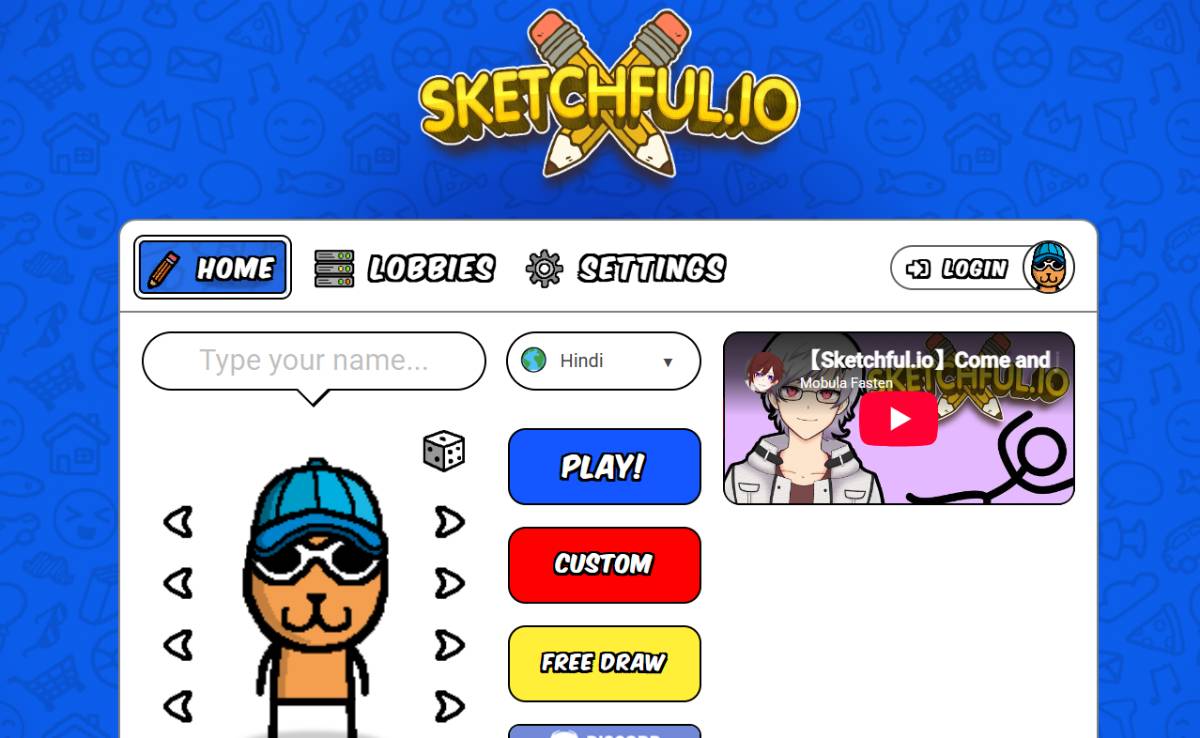
A notable development in the collaborative digital creativity space highlights the growing relevance of browser-based drawing platforms as organizations, educators, and online communities seek faster, more accessible ways to create and collaborate. Sketchful.io exemplifies this shift, reflecting broader demand for cloud-native creative tools that remove software installation barriers while supporting real-time engagement across global users.
Sketchful.io continues to demonstrate the evolution of lightweight, browser-based creative applications by enabling users to draw, sketch, and participate in collaborative illustration sessions directly from a web browser. The platform eliminates the need for software downloads while supporting multiplayer interaction and intuitive digital drawing experiences.
Its accessibility reflects broader market demand for cloud-first applications capable of supporting education, entertainment, remote collaboration, and online communities. As organizations increasingly prioritize browser-native productivity tools, platforms like Sketchful.io contribute to a digital ecosystem focused on simplicity, scalability, and frictionless user experiences across multiple devices and operating systems.
The growing popularity of browser-based creative platforms mirrors larger transformations occurring throughout the software industry. Businesses and consumers increasingly expect applications to operate entirely online, reducing IT management costs while enabling instant collaboration regardless of geographic location.
Cloud-native creative solutions have gained momentum alongside remote work, virtual classrooms, esports communities, and creator-focused digital ecosystems. Rather than relying on resource-intensive desktop software, users increasingly prefer lightweight applications that launch instantly and synchronize seamlessly across devices.
This transition aligns with wider enterprise digital transformation strategies emphasizing accessibility, cross-platform compatibility, and lower infrastructure requirements. Browser-first collaboration has expanded beyond office productivity into creative workflows, gaming communities, educational engagement, and social interaction. Sketchful.io represents this broader movement toward universally accessible digital creativity, where participation depends only on internet connectivity instead of specialized hardware or installed software.
Technology analysts view browser-native creative platforms as an increasingly important segment of the collaborative software economy. Industry observers note that reducing technical barriers encourages higher engagement, particularly among students, distributed teams, and creator communities seeking instant participation.
Digital workplace specialists argue that simplicity has become a competitive advantage. Applications requiring minimal onboarding often achieve broader adoption because users can begin collaborating immediately without complex installations or licensing procedures.
Creative technology experts also suggest that collaborative drawing platforms complement broader trends in gamification, virtual learning, and community engagement. Although no official corporate statement accompanies this development, market observers generally agree that demand for intuitive, cloud-based creative experiences will continue expanding as organizations prioritize flexible digital collaboration and browser-first workflows capable of serving increasingly global audiences.
For businesses, the continued adoption of browser-based creative platforms reinforces the importance of cloud accessibility, collaborative engagement, and simplified user experiences. Software developers may increasingly prioritize web-native deployment strategies to reach broader markets while minimizing infrastructure complexity.
Educational institutions, remote organizations, and digital community operators stand to benefit from tools that encourage participation without requiring expensive software licenses or advanced hardware. Investors monitoring SaaS and collaboration markets may also see sustained growth opportunities within lightweight productivity and creativity platforms. From a policy perspective, continued emphasis on digital accessibility, online education, and secure cloud collaboration is likely to influence future software adoption across both public and private sectors.
The collaborative creativity market is expected to continue evolving as browser technologies become more powerful and user expectations increasingly favor instant, cloud-based experiences. Decision-makers should monitor advances in real-time collaboration, AI-assisted creativity, and cross-platform interoperability. Platforms that combine accessibility, scalability, and community engagement will likely remain well positioned as organizations and consumers embrace increasingly flexible digital collaboration environments.
Source: AlternativeTo
Date: July 23, 2026


