



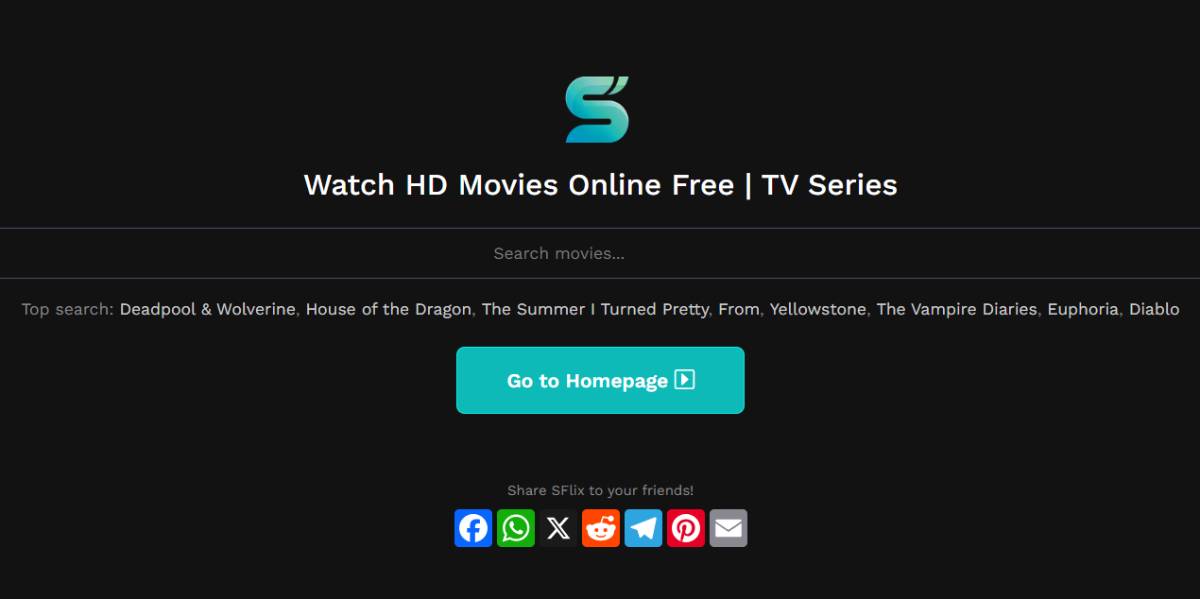
SFlix continues to reflect the rapid evolution of the online streaming ecosystem, underscoring growing consumer demand for instant digital entertainment. The platform's presence highlights broader shifts in how audiences access video content, while emphasizing the increasing competitive, regulatory, and technological challenges shaping the global streaming industry.
SFlix offers users access to online movie and television streaming through a browser-based platform, reflecting continued demand for accessible digital entertainment. The platform operates within an increasingly crowded streaming landscape where consumers expect extensive content libraries, fast accessibility, and seamless user experiences. Competition among streaming platforms continues to intensify as providers invest in content delivery, user engagement, and platform performance.
At the same time, copyright enforcement, licensing requirements, and digital content regulation remain significant considerations for businesses operating within the online entertainment ecosystem.
The global streaming industry has experienced substantial growth over the past decade as broadband connectivity, mobile devices, and smart televisions have transformed content consumption habits. Consumers increasingly favor on-demand viewing over traditional broadcast television, encouraging companies to invest heavily in streaming technologies and digital distribution.
Simultaneously, the industry has witnessed stronger copyright enforcement efforts, evolving licensing agreements, and expanding regulatory oversight across multiple jurisdictions. Businesses continue balancing user expectations for affordable, convenient entertainment with the financial realities of content acquisition and intellectual property protection. SFlix reflects these broader market dynamics, illustrating how digital entertainment platforms operate within a rapidly evolving environment driven by technology, consumer behavior, and regulatory developments.
Industry analysts view digital streaming as one of the fastest-evolving segments within the global media economy. Experts suggest that future competitiveness will depend on content availability, platform reliability, user experience, and compliance with intellectual property regulations. Media consultants note that technological innovation including cloud infrastructure, recommendation algorithms, and high-performance content delivery networks continues reshaping audience expectations.
While no official corporate statement accompanies this development, analysts emphasize that platforms operating within the streaming ecosystem must carefully navigate changing legal frameworks, licensing obligations, and evolving consumer preferences. Industry observers also expect continued investment in premium digital experiences as competition among entertainment providers intensifies worldwide.
For businesses, the continued expansion of streaming services reinforces opportunities across cloud computing, content delivery, cybersecurity, digital advertising, and subscription technologies. Investors are expected to closely monitor developments in the online entertainment sector as consumer demand remains strong. At the same time, regulators may continue strengthening copyright enforcement, digital content governance, and cross-border licensing standards. Media companies, technology providers, and platform operators will likely reassess distribution strategies to remain competitive while ensuring compliance with increasingly complex global regulatory requirements.
The digital streaming market is expected to remain highly competitive as technological innovation and changing consumer preferences continue driving industry transformation. Decision-makers should monitor regulatory developments, content licensing strategies, platform innovation, and emerging business models that will shape the next phase of digital entertainment. Companies capable of balancing user experience with regulatory compliance are likely to remain best positioned for sustainable growth.
Source: AlternativeTo
Date: July 28, 2026


