
Service Autopilot Advances Field Service Management

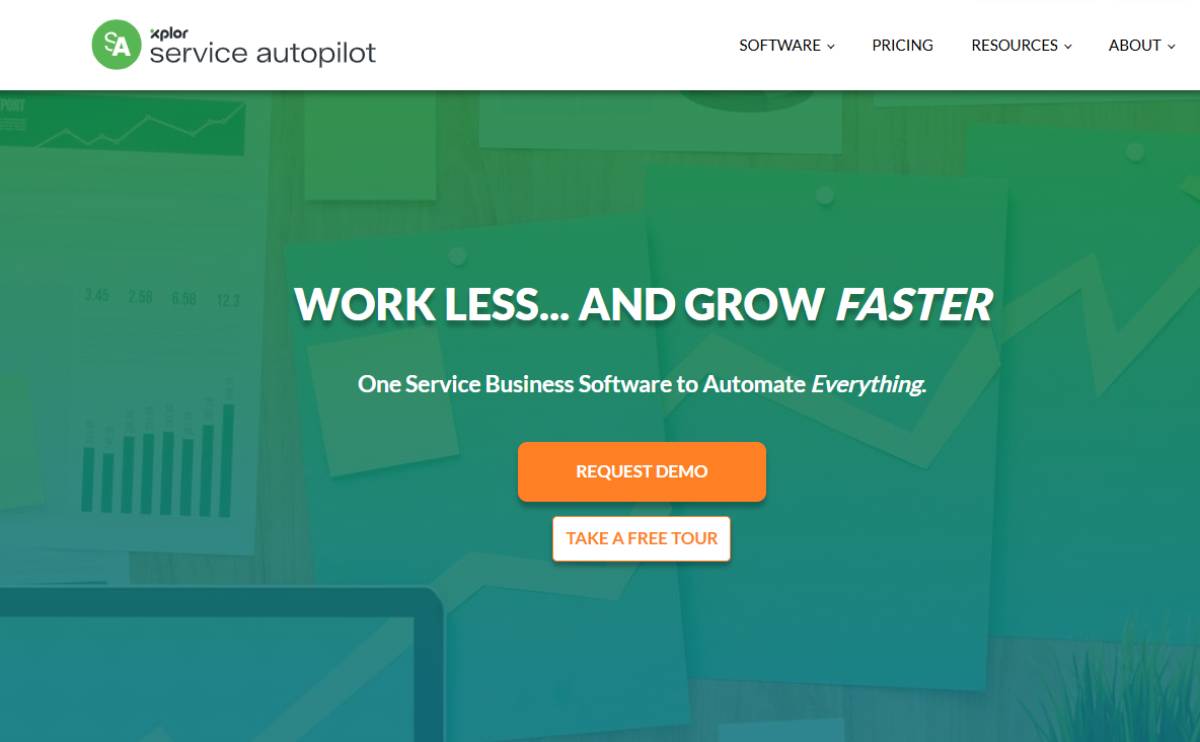
Service Autopilot provides a centralized environment for managing essential field-service activities, including scheduling, dispatching, route optimization, customer management, invoicing, payments, expenses and reporting.

August 10, 2026
|

Service Autopilot is advancing the digital management of field-service operations by bringing scheduling, dispatching, routing, customer management and financial workflows into a unified platform. The approach targets service businesses managing mobile workforces and recurring jobs, reflecting a broader shift toward cloud-based systems designed to improve operational visibility, workforce productivity and scalable growth.

Service Autopilot provides a centralized environment for managing essential field-service activities, including scheduling, dispatching, route optimization, customer management, invoicing, payments, expenses and reporting. Its mobile functionality extends operational access to field teams, allowing employees to manage customer and job information remotely.

The platform is designed for service businesses such as landscaping, lawn care, cleaning and other recurring-service operations. Automation capabilities can reduce repetitive administrative tasks while GPS and routing tools provide greater visibility into workforce movements and job execution.

Its broader functionality connects customer acquisition, service delivery and financial processes, giving managers a more integrated view of day-to-day business performance. The development reflects a broader transformation in the global field-service industry, where companies are increasingly replacing disconnected spreadsheets and manual workflows with integrated cloud platforms. Mobile workforces create complex coordination challenges, particularly when businesses manage recurring appointments, multiple crews, customer requests and geographically dispersed jobs.

Operational efficiency has become increasingly important as businesses face rising labor costs, competitive pricing pressure and higher customer expectations. Digital scheduling and route optimization can help organizations allocate technicians more effectively, while centralized customer records can improve service continuity.

The industry is also moving toward automation. Digital invoicing, automated communications, workforce tracking and reporting allow companies to reduce administrative workloads and make decisions using real-time operational information.

For executives, the strategic importance extends beyond scheduling. Field-service software can influence profitability, customer retention, workforce utilization and the ability to scale operations without expanding administrative overhead at the same pace.

The growing adoption of field-service management platforms highlights a shift from basic scheduling tools toward comprehensive operating systems for service companies. Service Autopilot's combination of scheduling, routing, customer management, invoicing and reporting reflects this broader market direction.

Industry observers increasingly emphasize automation as a key mechanism for improving field-service productivity. Automated workflows can reduce repetitive office tasks, while route optimization can help companies organize daily assignments more efficiently. Mobile access also gives field employees greater independence and reduces reliance on office-based coordination.

However, executives must balance functionality with usability. Complex platforms can create implementation and training challenges if employees struggle to adopt new workflows. Successful deployment therefore depends on clear processes, workforce training and integration with existing financial and operational systems.

The competitive advantage will ultimately depend less on the number of features offered and more on whether the technology produces measurable improvements in productivity, customer experience and operating margins.

For businesses, integrated field-service software can streamline operations by connecting scheduling, dispatching, customer management and financial workflows. Better coordination can help companies reduce administrative friction and improve resource allocation.

For investors and corporate leaders, automation creates opportunities to improve scalability and operating efficiency. Businesses expanding into new locations can potentially manage larger workforces without increasing administrative complexity proportionally.

Customers may benefit from more reliable scheduling, faster communication and smoother payment processes. Employees can gain mobile access to job information and operational updates, improving coordination between field and office teams.

At the policy level, organizations using GPS tracking and customer information must address privacy, cybersecurity and responsible data-management requirements. Executives should therefore assess security, integration, scalability, employee adoption and measurable ROI alongside software functionality.

Field-service management is expected to become increasingly automated, mobile and analytics-driven. Artificial intelligence, predictive scheduling, intelligent routing and automated customer communication could further transform how service organizations operate. Decision-makers should watch whether these technologies deliver measurable gains in technician productivity, route efficiency, customer retention and profitability. The next competitive advantage will come from turning field-service data into faster, smarter and more scalable operational decisions.

Source: Crozdesk
Date: August 10, 2026

  • Featured tools
Hostinger Horizons
Freemium

Hostinger Horizons is an AI-powered platform that allows users to build and deploy custom web applications without writing code. It packs hosting, domain management and backend integration into a unified tool for rapid app creation.

#
Startup Tools
#
Coding
#
Project Management
Learn more
Beautiful AI
Free

Beautiful AI is an AI-powered presentation platform that automates slide design and formatting, enabling users to create polished, on-brand presentations quickly.

#
Presentation
Learn more

Learn more about future of AI

Join 80,000+ Ai enthusiast getting weekly updates on exciting AI tools.
Thank you! Your submission has been received!
Oops! Something went wrong while submitting the form.

Service Autopilot Advances Field Service Management

August 10, 2026

Service Autopilot provides a centralized environment for managing essential field-service activities, including scheduling, dispatching, route optimization, customer management, invoicing, payments, expenses and reporting.

Service Autopilot is advancing the digital management of field-service operations by bringing scheduling, dispatching, routing, customer management and financial workflows into a unified platform. The approach targets service businesses managing mobile workforces and recurring jobs, reflecting a broader shift toward cloud-based systems designed to improve operational visibility, workforce productivity and scalable growth.

Service Autopilot provides a centralized environment for managing essential field-service activities, including scheduling, dispatching, route optimization, customer management, invoicing, payments, expenses and reporting. Its mobile functionality extends operational access to field teams, allowing employees to manage customer and job information remotely.

The platform is designed for service businesses such as landscaping, lawn care, cleaning and other recurring-service operations. Automation capabilities can reduce repetitive administrative tasks while GPS and routing tools provide greater visibility into workforce movements and job execution.

Its broader functionality connects customer acquisition, service delivery and financial processes, giving managers a more integrated view of day-to-day business performance. The development reflects a broader transformation in the global field-service industry, where companies are increasingly replacing disconnected spreadsheets and manual workflows with integrated cloud platforms. Mobile workforces create complex coordination challenges, particularly when businesses manage recurring appointments, multiple crews, customer requests and geographically dispersed jobs.

Operational efficiency has become increasingly important as businesses face rising labor costs, competitive pricing pressure and higher customer expectations. Digital scheduling and route optimization can help organizations allocate technicians more effectively, while centralized customer records can improve service continuity.

The industry is also moving toward automation. Digital invoicing, automated communications, workforce tracking and reporting allow companies to reduce administrative workloads and make decisions using real-time operational information.

For executives, the strategic importance extends beyond scheduling. Field-service software can influence profitability, customer retention, workforce utilization and the ability to scale operations without expanding administrative overhead at the same pace.

The growing adoption of field-service management platforms highlights a shift from basic scheduling tools toward comprehensive operating systems for service companies. Service Autopilot's combination of scheduling, routing, customer management, invoicing and reporting reflects this broader market direction.

Industry observers increasingly emphasize automation as a key mechanism for improving field-service productivity. Automated workflows can reduce repetitive office tasks, while route optimization can help companies organize daily assignments more efficiently. Mobile access also gives field employees greater independence and reduces reliance on office-based coordination.

However, executives must balance functionality with usability. Complex platforms can create implementation and training challenges if employees struggle to adopt new workflows. Successful deployment therefore depends on clear processes, workforce training and integration with existing financial and operational systems.

The competitive advantage will ultimately depend less on the number of features offered and more on whether the technology produces measurable improvements in productivity, customer experience and operating margins.

For businesses, integrated field-service software can streamline operations by connecting scheduling, dispatching, customer management and financial workflows. Better coordination can help companies reduce administrative friction and improve resource allocation.

For investors and corporate leaders, automation creates opportunities to improve scalability and operating efficiency. Businesses expanding into new locations can potentially manage larger workforces without increasing administrative complexity proportionally.

Customers may benefit from more reliable scheduling, faster communication and smoother payment processes. Employees can gain mobile access to job information and operational updates, improving coordination between field and office teams.

At the policy level, organizations using GPS tracking and customer information must address privacy, cybersecurity and responsible data-management requirements. Executives should therefore assess security, integration, scalability, employee adoption and measurable ROI alongside software functionality.

Field-service management is expected to become increasingly automated, mobile and analytics-driven. Artificial intelligence, predictive scheduling, intelligent routing and automated customer communication could further transform how service organizations operate. Decision-makers should watch whether these technologies deliver measurable gains in technician productivity, route efficiency, customer retention and profitability. The next competitive advantage will come from turning field-service data into faster, smarter and more scalable operational decisions.

Source: Crozdesk
Date: August 10, 2026

Promote Your Tool

Copy Embed Code

Similar Blogs

August 10, 2026
|

Auralis AI Accelerates Customer Support Automation

Auralis AI sits within a rapidly expanding market for artificial intelligence tools designed to improve customer service operations.
Read more
August 10, 2026
|

Analytics Software Drives Smarter Decisions

The analytics software market encompasses platforms designed to collect, process, visualize, analyze, and interpret business data.
Read more
August 10, 2026
|

SMS Marketing Faces New Competitive Challenges

The comparison therefore gives decision-makers a structured way to assess which platform aligns with their marketing requirements, customer base, and growth objectives.
Read more
August 10, 2026
|

FakeFace Advances Digital Identity Protectio

FakeFace sits within the rapidly developing ecosystem of digital identity and synthetic-media technologies. Its positioning reflects growing attention toward how photographs, online identities, and visual information can be created, altered, or presented in misleading ways.
Read more
August 10, 2026
|

Saba Cloud Advances Talent Management Solutions

Saba Cloud provides an enterprise learning environment covering course and curriculum management, assessments, compliance training, employee development, analytics, and mobile learning.
Read more
August 10, 2026
|

Unicheck Advances Academic Integrity Solutions

Unicheck is positioned as a cloud-based plagiarism detection platform designed for educational institutions, educators and students.
Read more