



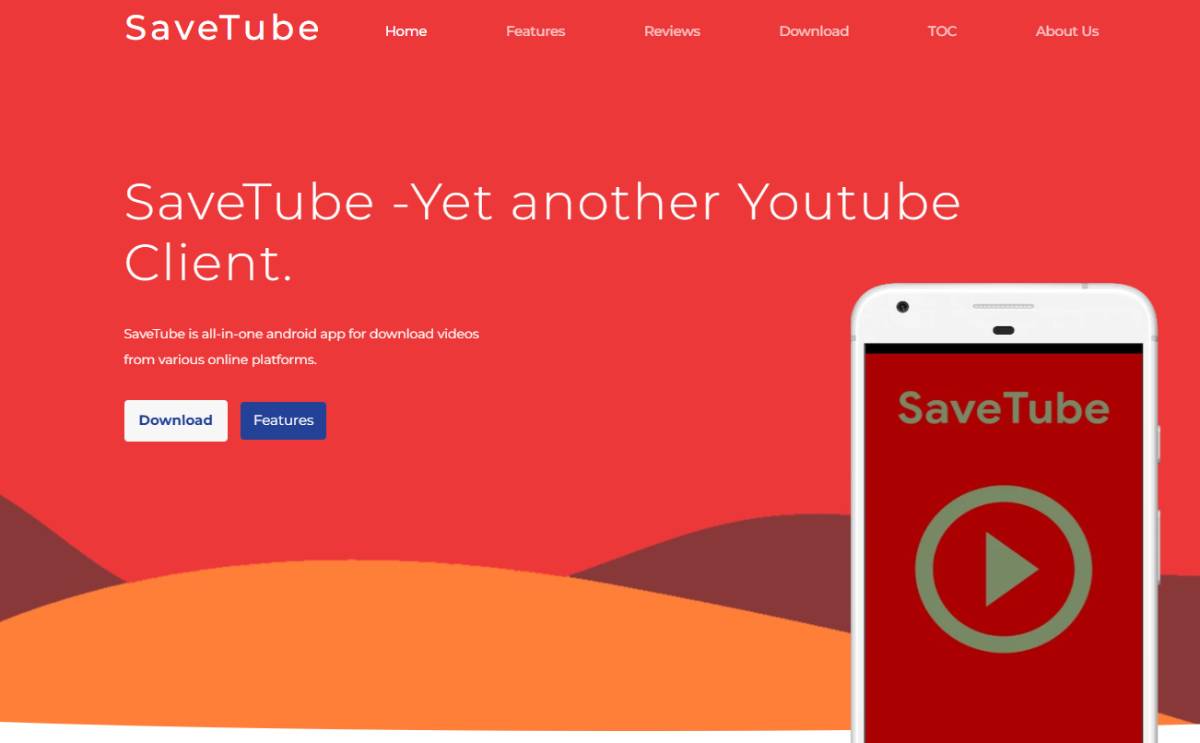
SaveTube is gaining attention as demand grows for browser-based video downloading tools that enable users to save online content for offline access. The platform reflects broader shifts in digital media consumption, where accessibility, convenience, and content portability are becoming increasingly important for consumers, educators, and businesses navigating an expanding online video ecosystem.
SaveTube provides a web-based solution that allows users to download videos from supported online platforms without requiring software installation. Its lightweight interface appeals to users seeking quick offline access across desktops and mobile devices.
The growing adoption of video-first communication, remote learning, and digital marketing has fueled interest in download utilities that improve accessibility and viewing flexibility. Businesses, educators, and independent creators increasingly rely on such tools to archive educational materials, presentations, and publicly available content for environments where internet connectivity may be limited. This reflects continuing demand for simple digital productivity tools alongside mainstream streaming platforms.
The global online video market has expanded rapidly over the past decade, driven by faster broadband networks, widespread smartphone adoption, and the rise of creator-driven platforms. While streaming remains the dominant consumption model, offline viewing continues to serve important educational, enterprise, and travel-related use cases.
Utilities such as SaveTube illustrate a broader category of browser-based productivity applications designed to complement—not replace—digital content ecosystems. As organizations increasingly distribute webinars, training sessions, tutorials, and marketing materials through video, demand for efficient content management solutions has also increased.
At the same time, copyright compliance and platform usage policies remain central considerations. Organizations adopting download technologies must ensure they respect licensing agreements, intellectual property rights, and applicable regulations. This balance between accessibility and compliance continues to shape innovation across the digital media infrastructure landscape.
Digital media analysts note that user expectations increasingly favor convenience, cross-device compatibility, and offline accessibility. Browser-based services like SaveTube demonstrate how lightweight web applications can reduce technical barriers while improving user experience.
Technology consultants suggest that businesses involved in training, education, and content publishing benefit from flexible workflows that allow authorized offline access to instructional resources. Industry observers also emphasize that responsible implementation is essential, particularly when handling copyrighted materials or commercially licensed content.
Although no major corporate announcement accompanies SaveTube's growing visibility, experts view the platform as representative of wider innovation occurring within browser-based productivity software. They argue that future competition will likely focus on faster processing, broader compatibility, stronger security protections, and improved integration with cloud-based productivity ecosystems rather than simple downloading functionality alone.
For businesses, SaveTube highlights continued demand for practical digital productivity solutions that enhance operational flexibility and support distributed workforces. Organizations involved in e-learning, corporate communications, and digital publishing may increasingly evaluate offline content capabilities as part of broader knowledge management strategies.
Investors monitoring software markets may view browser-based utility platforms as indicators of ongoing opportunities within lightweight SaaS and productivity segments. Meanwhile, policymakers and platform operators are expected to maintain emphasis on copyright enforcement, responsible data usage, and consumer protection. Companies deploying similar technologies should prioritize transparency, legal compliance, and secure user experiences to remain competitive in evolving digital ecosystems.
Looking ahead, browser-based download utilities are expected to evolve alongside advances in cloud computing, artificial intelligence, and cross-platform media management. Decision-makers should monitor developments surrounding copyright regulations, platform API policies, cybersecurity standards, and enterprise integration capabilities. As digital content consumption continues expanding worldwide, solutions that successfully balance accessibility, compliance, and user convenience are likely to remain valuable components of the modern digital economy.
Source: AlternativeTo
Date: July 30, 2026


