
Samsung Galaxy S26 Ultra Privacy Display Shift

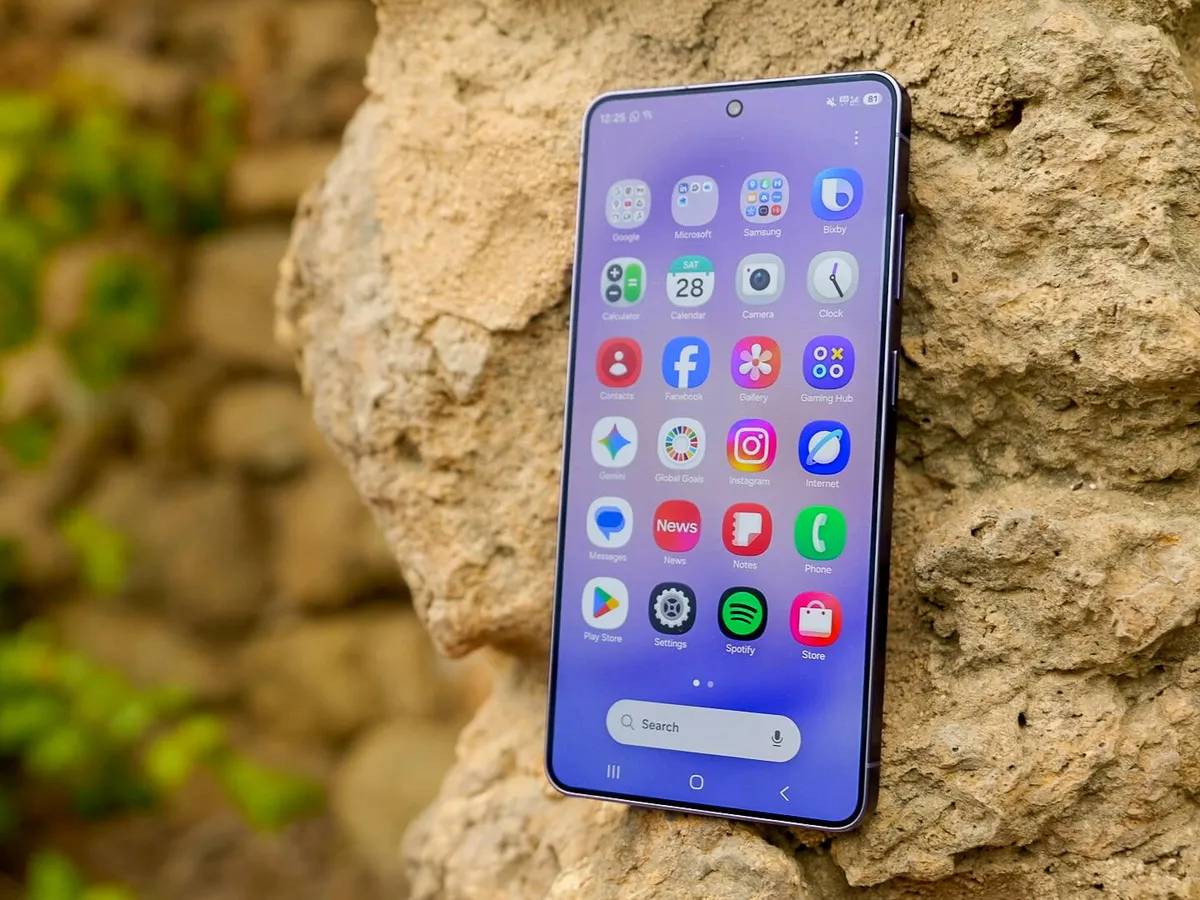
The review centers on Samsung’s Galaxy S26 Ultra, emphasizing its privacy display feature that limits screen visibility from side angles, enhancing data protection in public environments.

May 19, 2026
|
Image Source: CNET

The Galaxy S26 Ultra review highlights a strategic shift in premium smartphone design, where hardware innovation particularly privacy-focused display technology reasserts its importance amid AI-driven software dominance. The development underscores how device manufacturers are repositioning flagship hardware as a differentiator in an increasingly AI-saturated global mobile market.

The review centers on Samsung’s Galaxy S26 Ultra, emphasizing its privacy display feature that limits screen visibility from side angles, enhancing data protection in public environments. The device also integrates advanced AI features for photography, productivity, and system optimization.

Key stakeholders include Samsung Electronics, global component suppliers, and enterprise users prioritizing mobile security. The launch aligns with flagship refresh cycles in the premium smartphone segment.

Market impact is significant in the high-end Android ecosystem, where competition with Apple and emerging AI-native devices is intensifying. Analysts note that hardware differentiation is re-emerging as software convergence increases across platforms.

The smartphone industry has entered a phase where AI integration is becoming standard across operating systems, reducing differentiation based solely on software capabilities. As a result, hardware innovation is regaining strategic importance.

Privacy concerns have also intensified globally, particularly in enterprise and financial sectors where sensitive data exposure on mobile screens is a growing risk. Samsung’s focus on privacy display technology reflects broader demand for secure-by-design devices.

Historically, flagship smartphone competition revolved around camera quality, processor speed, and ecosystem lock-in. However, the current cycle is defined by AI acceleration, forcing manufacturers to seek new competitive dimensions.

The Galaxy S26 Ultra’s positioning suggests a return to tangible hardware value propositions, even as AI continues to dominate user experience layers across mobile ecosystems.

Industry analysts suggest that privacy-centric hardware features could become a key segmentation factor in premium devices, particularly for enterprise customers and government users. The integration of AI features alongside physical security enhancements is seen as a hybrid strategy to address both productivity and risk management needs.

Technology commentators note that as AI systems become more embedded in mobile operating systems, users may prioritize control over visibility, data exposure, and device-level security. Market researchers argue that Samsung is attempting to differentiate itself in a saturated flagship segment where incremental performance gains are no longer sufficient to drive upgrade cycles.

While official positioning emphasizes “user-centric innovation,” analysts interpret the strategy as a competitive response to Apple’s ecosystem dominance and the rise of AI-native device architectures.

For businesses, the Galaxy S26 Ultra reinforces the growing importance of mobile security in enterprise device procurement strategies. Privacy hardware features may influence IT policies around BYOD (bring your own device) environments and sensitive data handling.

For investors, differentiation in the premium smartphone segment could stabilize upgrade demand cycles, which have slowed in recent years. It may also reshape competitive dynamics among major OEMs.

From a policy perspective, increasing focus on privacy-oriented hardware may align with emerging data protection regulations globally. Governments may also encourage secure device standards in sectors handling sensitive information.

Analysts suggest that hardware-software convergence will increasingly define smartphone competitiveness in the AI era. Future smartphone innovation is expected to focus on hybrid architectures that combine AI-driven software intelligence with embedded privacy and security hardware. Manufacturers will likely compete on trust, data control, and enterprise-grade capabilities rather than performance alone. However, the sustainability of hardware-driven differentiation will depend on how quickly AI features commoditize across competing platforms.

Source: CNET
Date: 19 May 2026

  • Featured tools
Tome AI
Free

Tome AI is an AI-powered storytelling and presentation tool designed to help users create compelling narratives and presentations quickly and efficiently. It leverages advanced AI technologies to generate content, images, and animations based on user input.

#
Presentation
#
Startup Tools
Learn more
Wonder AI
Free

Wonder AI is a versatile AI-powered creative platform that generates text, images, and audio with minimal input, designed for fast storytelling, visual creation, and audio content generation

#
Art Generator
Learn more

Learn more about future of AI

Join 80,000+ Ai enthusiast getting weekly updates on exciting AI tools.
Thank you! Your submission has been received!
Oops! Something went wrong while submitting the form.

Samsung Galaxy S26 Ultra Privacy Display Shift

May 19, 2026

The review centers on Samsung’s Galaxy S26 Ultra, emphasizing its privacy display feature that limits screen visibility from side angles, enhancing data protection in public environments.

Image Source: CNET

The Galaxy S26 Ultra review highlights a strategic shift in premium smartphone design, where hardware innovation particularly privacy-focused display technology reasserts its importance amid AI-driven software dominance. The development underscores how device manufacturers are repositioning flagship hardware as a differentiator in an increasingly AI-saturated global mobile market.

The review centers on Samsung’s Galaxy S26 Ultra, emphasizing its privacy display feature that limits screen visibility from side angles, enhancing data protection in public environments. The device also integrates advanced AI features for photography, productivity, and system optimization.

Key stakeholders include Samsung Electronics, global component suppliers, and enterprise users prioritizing mobile security. The launch aligns with flagship refresh cycles in the premium smartphone segment.

Market impact is significant in the high-end Android ecosystem, where competition with Apple and emerging AI-native devices is intensifying. Analysts note that hardware differentiation is re-emerging as software convergence increases across platforms.

The smartphone industry has entered a phase where AI integration is becoming standard across operating systems, reducing differentiation based solely on software capabilities. As a result, hardware innovation is regaining strategic importance.

Privacy concerns have also intensified globally, particularly in enterprise and financial sectors where sensitive data exposure on mobile screens is a growing risk. Samsung’s focus on privacy display technology reflects broader demand for secure-by-design devices.

Historically, flagship smartphone competition revolved around camera quality, processor speed, and ecosystem lock-in. However, the current cycle is defined by AI acceleration, forcing manufacturers to seek new competitive dimensions.

The Galaxy S26 Ultra’s positioning suggests a return to tangible hardware value propositions, even as AI continues to dominate user experience layers across mobile ecosystems.

Industry analysts suggest that privacy-centric hardware features could become a key segmentation factor in premium devices, particularly for enterprise customers and government users. The integration of AI features alongside physical security enhancements is seen as a hybrid strategy to address both productivity and risk management needs.

Technology commentators note that as AI systems become more embedded in mobile operating systems, users may prioritize control over visibility, data exposure, and device-level security. Market researchers argue that Samsung is attempting to differentiate itself in a saturated flagship segment where incremental performance gains are no longer sufficient to drive upgrade cycles.

While official positioning emphasizes “user-centric innovation,” analysts interpret the strategy as a competitive response to Apple’s ecosystem dominance and the rise of AI-native device architectures.

For businesses, the Galaxy S26 Ultra reinforces the growing importance of mobile security in enterprise device procurement strategies. Privacy hardware features may influence IT policies around BYOD (bring your own device) environments and sensitive data handling.

For investors, differentiation in the premium smartphone segment could stabilize upgrade demand cycles, which have slowed in recent years. It may also reshape competitive dynamics among major OEMs.

From a policy perspective, increasing focus on privacy-oriented hardware may align with emerging data protection regulations globally. Governments may also encourage secure device standards in sectors handling sensitive information.

Analysts suggest that hardware-software convergence will increasingly define smartphone competitiveness in the AI era. Future smartphone innovation is expected to focus on hybrid architectures that combine AI-driven software intelligence with embedded privacy and security hardware. Manufacturers will likely compete on trust, data control, and enterprise-grade capabilities rather than performance alone. However, the sustainability of hardware-driven differentiation will depend on how quickly AI features commoditize across competing platforms.

Source: CNET
Date: 19 May 2026

Promote Your Tool

Copy Embed Code

Similar Blogs

June 23, 2026
|

Sokin Secures European Payments License

Sokin has acquired Norwegian fintech firm Settle in a transaction that provides access to a valuable Electronic Money Institution (EMI) license.
Read more
June 23, 2026
|

Twin Prime Bets Defence AI

Twin Prime has secured $10 million in fresh funding to expand its defence-focused AI systems, which prioritize sensor fusion, detection, and real-time environmental interpretation over generative or chatbot-based models.
Read more
June 23, 2026
|

Northzone Backs Physical AI Shift

Northzone has appointed a new partner to lead its physical AI investment strategy, marking a deliberate shift toward embodied intelligence—systems that interact directly with physical environments.
Read more
June 23, 2026
|

Switzerland Hosts Iran US Technical Talks

The upcoming technical-level discussions between Iranian and US representatives will focus on procedural and issue-specific frameworks rather than high-level political agreements.
Read more
June 23, 2026
|

Switzerland Extends Ukrainian Protection Status

Swiss federal authorities are reviewing the possibility of extending S protection status, which grants temporary residence rights and access to essential services for Ukrainian nationals fleeing the war.
Read more
June 23, 2026
|

Swiss FM Engages Iran Diplomacy

Swiss Foreign Minister Ignazio Cassis held formal discussions with Iran’s foreign minister, focusing on bilateral relations and broader regional security dynamics.
Read more