



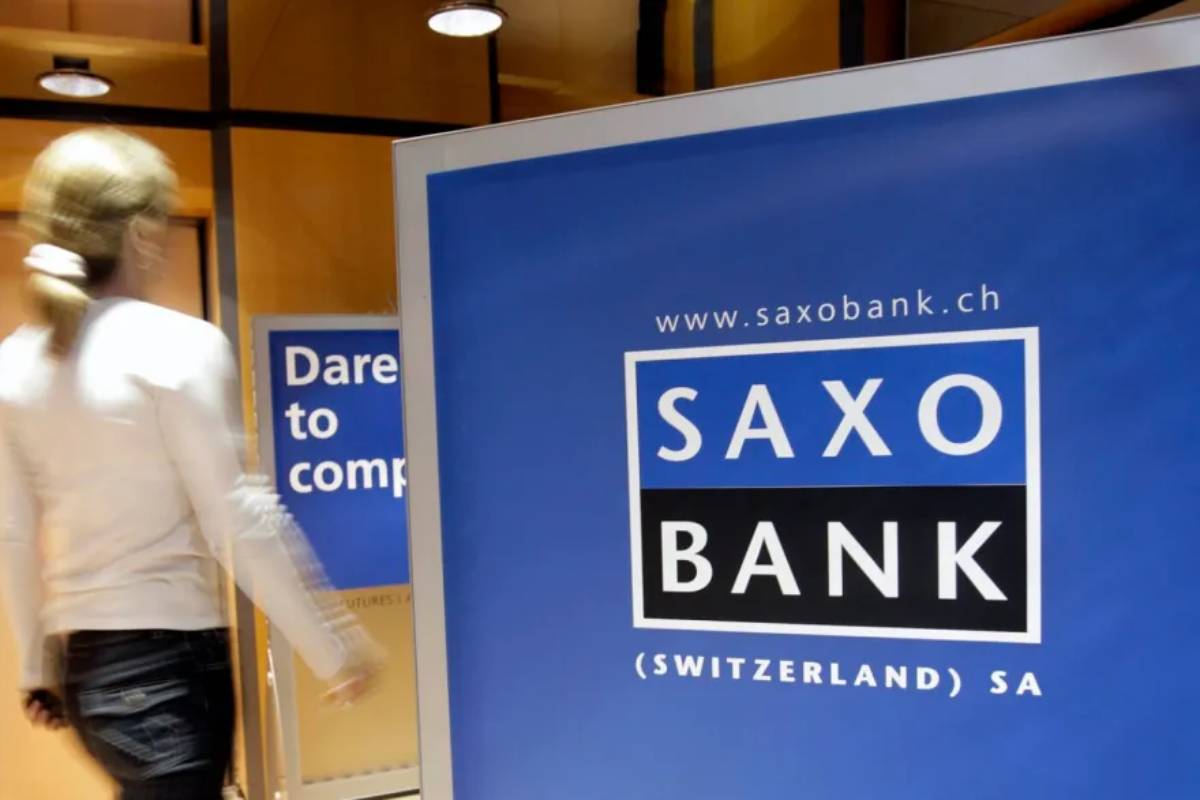
Swiss private bank J. Safra Sarasin has acquired Saxo Bank in its entirety, marking a major strategic move that reshapes Europe’s digital investment and wealth management landscape. The transaction brings together traditional private banking expertise and Saxo’s global online trading platform, creating new opportunities in technology-driven financial services.
Safra Sarasin has completed the full acquisition of Saxo Bank, strengthening its position across global financial markets. The deal combines J. Safra Sarasin’s heritage in private banking and wealth management with Saxo Bank’s digital investment infrastructure and international trading capabilities. Saxo Bank, known for its online brokerage services, serves clients across multiple regions through technology-based investment platforms.
The acquisition reflects increasing consolidation within the financial services sector as banks seek greater digital capabilities and broader customer access. The move highlights the growing importance of combining established banking relationships with advanced fintech solutions to compete in a rapidly evolving market.
The financial services industry has undergone significant transformation as digital platforms, automated investment tools, and online trading services reshape how individuals and institutions manage wealth. Traditional banks are increasingly seeking partnerships and acquisitions that provide technology capabilities, broader market access, and stronger digital experiences.
Saxo Bank has built a global reputation as a technology-focused financial institution, offering online trading and investment solutions across asset classes. J. Safra Sarasin, meanwhile, has maintained a strong presence in private banking and sustainable investment services.
The acquisition reflects a wider industry trend where established financial institutions are integrating fintech capabilities to remain competitive. As customers demand faster, more accessible, and technology-enabled financial services, banks are investing in platforms that combine personalized advice with digital convenience. The deal demonstrates how traditional and digital banking models are increasingly converging.
Financial analysts view the acquisition as part of a broader wave of consolidation aimed at strengthening competitiveness in global wealth management and digital finance. Experts suggest that combining J. Safra Sarasin’s private banking expertise with Saxo Bank’s technology platform could create new opportunities for serving digitally connected investors.
Industry observers note that successful integration will depend on maintaining Saxo Bank’s technological strengths while aligning operations with the strategic priorities of its new owner. Analysts emphasize that digital investment platforms are becoming increasingly important as investors seek greater control, transparency, and access to global markets.
Banking specialists also highlight that acquisitions of this nature reflect a shift in the financial sector, where technology infrastructure has become a critical strategic asset rather than a supporting function.
For businesses and investors, the acquisition signals continued transformation within the financial services industry. Customers may benefit from expanded investment options, improved digital tools, and a broader combination of wealth management and online trading capabilities.
Competitors may face increased pressure to accelerate digital transformation strategies and strengthen technology investments. Financial regulators will closely monitor the integration process, particularly regarding market stability, customer protection, and operational compliance.
The deal also highlights the growing value of fintech capabilities within traditional banking models. Institutions that successfully combine technology, trust, and personalized services are likely to gain advantages in the increasingly competitive global financial landscape.
The acquisition positions J. Safra Sarasin and Saxo Bank for deeper participation in the future of digital wealth management. Decision-makers should watch how the integration develops, including technology investments, customer growth, regulatory approvals, and competitive responses. As banking continues evolving toward hybrid digital and personalized models, strategic acquisitions will remain a key pathway for financial institutions seeking long-term growth.
Source: Swissinfo
Date: July 2026


