
Radiation Research Brings Fresh Hope

Researchers are advancing new therapeutic approaches aimed at protecting the human body from the devastating effects of high-dose radiation exposure.

July 8, 2026
|
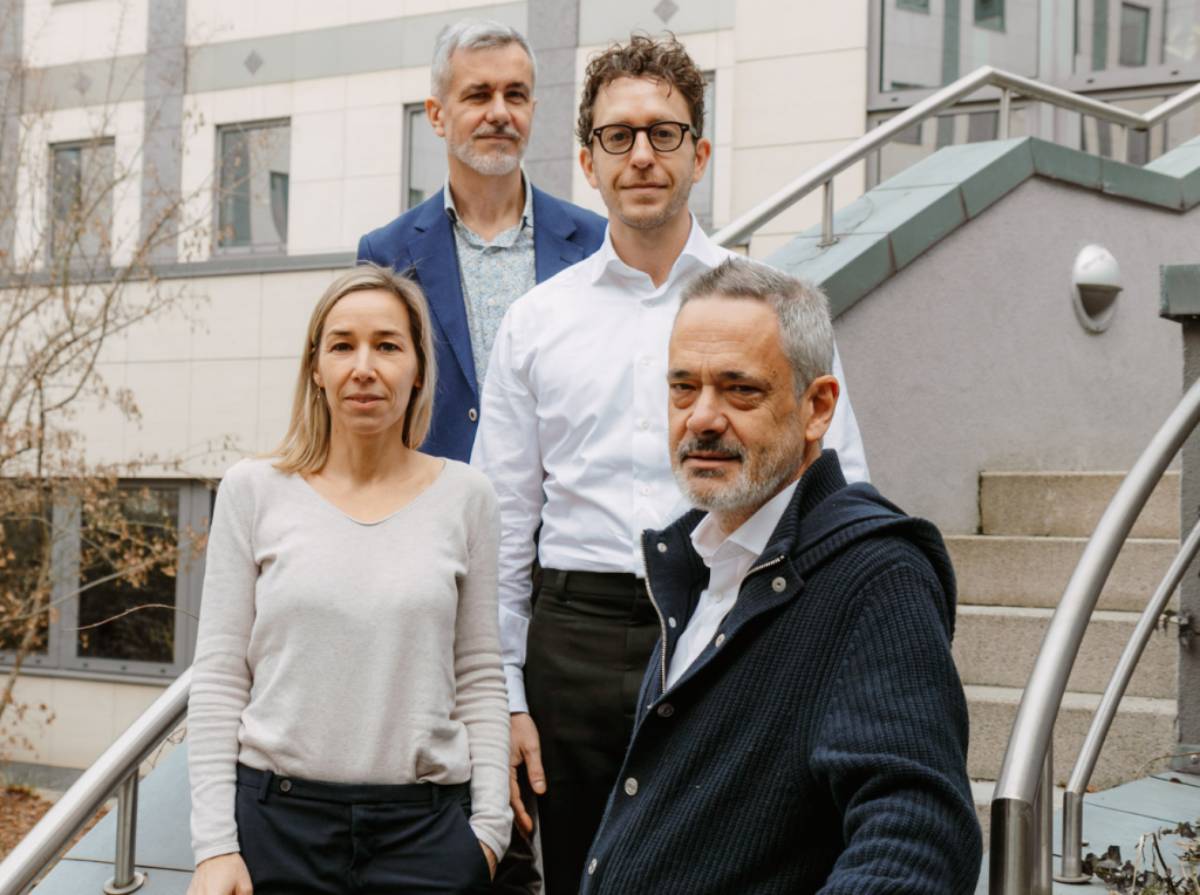
Image Source: Silicon Luxembourg

Emerging biomedical research is raising hopes that severe radiation exposure may one day become significantly more treatable. Scientists are developing innovative therapies designed to reduce radiation damage and improve survival rates, marking a potentially transformative advancement for healthcare, emergency preparedness, and the global biotechnology industry.

Researchers are advancing new therapeutic approaches aimed at protecting the human body from the devastating effects of high-dose radiation exposure. These innovations focus on minimizing cellular damage, accelerating tissue regeneration, and improving patient recovery following radiation-related injuries. The research has potential applications in cancer treatment, nuclear emergency response, occupational safety, and space exploration.

Scientists believe that next-generation radioprotective therapies could significantly improve outcomes for individuals exposed to dangerous radiation levels while supporting broader medical preparedness. Continued investment in clinical development and regulatory evaluation will be essential before these treatments become widely available.

Radiation exposure remains one of the most challenging medical emergencies, with high doses capable of causing severe damage to bone marrow, internal organs, and the immune system. Historically, treatment options have been limited to supportive care, making the search for effective medical countermeasures a longstanding priority for healthcare systems and governments.

Growing investment in biotechnology, regenerative medicine, and precision therapeutics has accelerated research into treatments that target radiation-induced cellular damage. The work is particularly relevant as nations strengthen preparedness for nuclear emergencies, expand nuclear energy infrastructure, and pursue long-duration space exploration missions where radiation exposure poses significant risks.

Advances in regenerative medicine and cell-based therapies are creating new opportunities to improve patient outcomes while expanding scientific understanding of how the human body responds to extreme radiation exposure.

Medical researchers believe that advances in radioprotective therapies could fundamentally reshape how healthcare systems respond to radiation-related emergencies. Experts emphasize that combining regenerative medicine, immunology, and advanced biotechnology may significantly improve recovery rates for patients experiencing severe radiation damage.

Healthcare analysts also note that translating laboratory breakthroughs into approved medical treatments will require extensive clinical validation, regulatory oversight, and large-scale manufacturing capabilities. Biotechnology leaders argue that continued collaboration among research institutions, healthcare providers, pharmaceutical companies, and government agencies will be critical for accelerating innovation.

Experts further stress that sustained investment in radiation medicine could generate benefits beyond emergency response, including improvements in cancer care, regenerative therapies, and broader biomedical research.

For biotechnology companies, advances in radiation medicine represent new opportunities for research, product development, and strategic investment within the growing precision medicine sector. Pharmaceutical firms may expand partnerships focused on regenerative therapies and medical countermeasures for radiation-related conditions.

Governments and healthcare authorities are expected to monitor these developments closely as part of national emergency preparedness and public health strategies. Investors may also view radiation therapeutics as an emerging area of innovation with long-term commercial potential.

Regulatory agencies will play a critical role in ensuring safety, efficacy, and timely approval of future treatments while supporting healthcare resilience against radiation-related risks. Continued progress in regenerative medicine and biotechnology is expected to accelerate the development of next-generation radiation therapies. Decision-makers should monitor clinical trial outcomes, regulatory approvals, manufacturing advances, and international collaboration in radiation medicine. If successful, these innovations could transform emergency healthcare preparedness while opening new frontiers in precision medicine and advanced biomedical research.

Source: Silicon Luxembourg
Date:
July 2026

  • Featured tools
Surfer AI
Free

Surfer AI is an AI-powered content creation assistant built into the Surfer SEO platform, designed to generate SEO-optimized articles from prompts, leveraging data from search results to inform tone, structure, and relevance.

#
SEO
Learn more
Twistly AI
Paid

Twistly AI is a PowerPoint add-in that allows users to generate full slide decks, improve existing presentations, and convert various content types into polished slides directly within Microsoft PowerPoint.It streamlines presentation creation using AI-powered text analysis, image generation and content conversion.

#
Presentation
Learn more

Learn more about future of AI

Join 80,000+ Ai enthusiast getting weekly updates on exciting AI tools.
Thank you! Your submission has been received!
Oops! Something went wrong while submitting the form.

Radiation Research Brings Fresh Hope

July 8, 2026

Researchers are advancing new therapeutic approaches aimed at protecting the human body from the devastating effects of high-dose radiation exposure.

Image Source: Silicon Luxembourg

Emerging biomedical research is raising hopes that severe radiation exposure may one day become significantly more treatable. Scientists are developing innovative therapies designed to reduce radiation damage and improve survival rates, marking a potentially transformative advancement for healthcare, emergency preparedness, and the global biotechnology industry.

Researchers are advancing new therapeutic approaches aimed at protecting the human body from the devastating effects of high-dose radiation exposure. These innovations focus on minimizing cellular damage, accelerating tissue regeneration, and improving patient recovery following radiation-related injuries. The research has potential applications in cancer treatment, nuclear emergency response, occupational safety, and space exploration.

Scientists believe that next-generation radioprotective therapies could significantly improve outcomes for individuals exposed to dangerous radiation levels while supporting broader medical preparedness. Continued investment in clinical development and regulatory evaluation will be essential before these treatments become widely available.

Radiation exposure remains one of the most challenging medical emergencies, with high doses capable of causing severe damage to bone marrow, internal organs, and the immune system. Historically, treatment options have been limited to supportive care, making the search for effective medical countermeasures a longstanding priority for healthcare systems and governments.

Growing investment in biotechnology, regenerative medicine, and precision therapeutics has accelerated research into treatments that target radiation-induced cellular damage. The work is particularly relevant as nations strengthen preparedness for nuclear emergencies, expand nuclear energy infrastructure, and pursue long-duration space exploration missions where radiation exposure poses significant risks.

Advances in regenerative medicine and cell-based therapies are creating new opportunities to improve patient outcomes while expanding scientific understanding of how the human body responds to extreme radiation exposure.

Medical researchers believe that advances in radioprotective therapies could fundamentally reshape how healthcare systems respond to radiation-related emergencies. Experts emphasize that combining regenerative medicine, immunology, and advanced biotechnology may significantly improve recovery rates for patients experiencing severe radiation damage.

Healthcare analysts also note that translating laboratory breakthroughs into approved medical treatments will require extensive clinical validation, regulatory oversight, and large-scale manufacturing capabilities. Biotechnology leaders argue that continued collaboration among research institutions, healthcare providers, pharmaceutical companies, and government agencies will be critical for accelerating innovation.

Experts further stress that sustained investment in radiation medicine could generate benefits beyond emergency response, including improvements in cancer care, regenerative therapies, and broader biomedical research.

For biotechnology companies, advances in radiation medicine represent new opportunities for research, product development, and strategic investment within the growing precision medicine sector. Pharmaceutical firms may expand partnerships focused on regenerative therapies and medical countermeasures for radiation-related conditions.

Governments and healthcare authorities are expected to monitor these developments closely as part of national emergency preparedness and public health strategies. Investors may also view radiation therapeutics as an emerging area of innovation with long-term commercial potential.

Regulatory agencies will play a critical role in ensuring safety, efficacy, and timely approval of future treatments while supporting healthcare resilience against radiation-related risks. Continued progress in regenerative medicine and biotechnology is expected to accelerate the development of next-generation radiation therapies. Decision-makers should monitor clinical trial outcomes, regulatory approvals, manufacturing advances, and international collaboration in radiation medicine. If successful, these innovations could transform emergency healthcare preparedness while opening new frontiers in precision medicine and advanced biomedical research.

Source: Silicon Luxembourg
Date:
July 2026

Promote Your Tool

Copy Embed Code

Similar Blogs

July 8, 2026
|

Stilta Raises $10.5M for AI Patents

Stilta’s $10.5 million seed round will support the development of AI-driven tools designed to simplify patent research, analysis, and decision-making for businesses and legal professionals.
Read more
July 8, 2026
|

EQT Launches €5B Scaleup Fund

EQT has secured a €5 billion investment mandate aimed at supporting European scaleups seeking expansion capital and long-term growth support.
Read more
July 8, 2026
|

CRACI Boosts Europe Cyber Resilience

CRACI has secured €1.4 million in funding to accelerate the development of its cybersecurity and cyber resilience platform.
Read more
July 8, 2026
|

Digital Medical Devices Face Challenges

The development of digital medical devices is accelerating as healthcare organizations adopt connected technologies to improve diagnosis, monitoring, and treatment management.
Read more
July 8, 2026
|

Women Led AI Transforms Luxembourg Healthcare

The women-led venture is developing AI-powered technologies designed to deliver more personalized healthcare experiences by analyzing patient data and supporting tailored medical decision-making.
Read more
July 8, 2026
|

Five Mistakes Hurt Social Ventures

The latest guidance for social entrepreneurs identifies five recurring mistakes that frequently limit the growth and sustainability of social ventures.
Read more