
Qualcomm Bets on AI Agent Future

Qualcomm executives argue that on-device AI will become a critical competitive advantage as organizations seek lower latency, stronger privacy protections, and reduced cloud-computing costs.

June 17, 2026
|

A significant shift in the artificial intelligence landscape is emerging as Qualcomm positions AI agents not traditional mobile applications as the future of digital interaction. The chipmaker's leadership has outlined a vision where intelligent AI systems perform tasks autonomously across devices, supported by a growing portfolio of AI-powered hardware. The move highlights the accelerating race among technology companies to redefine how consumers and enterprises interact with software, with implications spanning mobile computing, enterprise productivity, and the broader semiconductor industry.

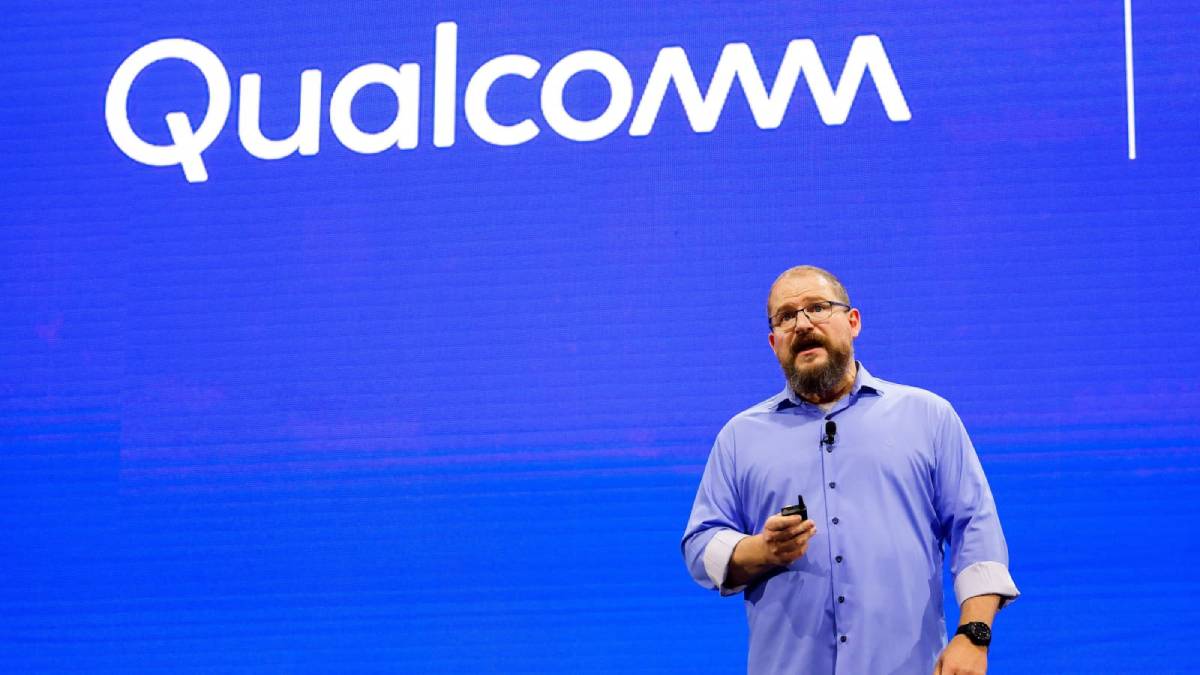
Qualcomm CEO Cristiano Amon stated that AI agents are expected to gradually replace conventional apps by enabling users to interact directly with intelligent systems capable of completing tasks autonomously.

The company revealed that it is collaborating with partners on approximately 40 AI-powered devices designed to leverage on-device intelligence rather than relying exclusively on cloud computing infrastructure.

Qualcomm's strategy focuses on embedding advanced AI capabilities directly into smartphones, PCs, wearables, automotive platforms, and emerging edge-computing devices. The announcement comes as global technology companies intensify investments in generative AI and agentic systems.

The initiative strengthens Qualcomm's position in the competitive AI hardware market, where semiconductor manufacturers are increasingly competing to become the foundational infrastructure providers for next-generation AI experiences.

The development aligns with a broader trend across global technology markets where AI is evolving from passive assistance toward autonomous task execution. While generative AI initially gained momentum through chatbots and content-generation tools, the industry is now moving toward agent-based systems capable of making decisions, coordinating workflows, and interacting with digital services independently.

Major technology firms including Google, Microsoft, OpenAI, Apple, and Meta are investing heavily in AI agents as the next phase of digital transformation. Industry leaders increasingly believe that future computing experiences will be defined less by individual applications and more by intelligent agents capable of orchestrating multiple services behind the scenes.

For Qualcomm, this transition represents a strategic opportunity. As AI workloads shift from centralized cloud infrastructure to edge devices, demand for powerful and energy-efficient processors becomes increasingly important. The company has spent several years positioning itself at the center of this evolution through advancements in AI-enabled chip architectures.

The broader economic significance extends beyond consumer electronics. AI agents are expected to influence enterprise productivity, healthcare, manufacturing, automotive systems, and financial services, creating substantial demand for intelligent hardware ecosystems.

Qualcomm executives argue that on-device AI will become a critical competitive advantage as organizations seek lower latency, stronger privacy protections, and reduced cloud-computing costs. By processing data directly on devices, AI systems can respond faster while minimizing the transfer of sensitive information to remote servers.

Industry analysts note that the emergence of AI agents represents one of the most important shifts in software architecture since the introduction of mobile applications. Rather than navigating multiple apps, users may increasingly rely on AI systems that understand context, preferences, and objectives.

Technology strategists also highlight that the success of agent-based computing will depend on ecosystem integration. Companies capable of connecting AI agents across devices, cloud platforms, and enterprise systems are likely to gain significant market advantages.

At the same time, experts caution that widespread deployment of autonomous AI systems will require robust governance frameworks, transparency standards, and cybersecurity safeguards to ensure reliability and trust.

For businesses, Qualcomm's vision signals a potential transformation in product development and digital engagement strategies. Organizations may need to redesign customer experiences around AI agents rather than standalone applications.

Investors are closely watching companies positioned to benefit from increased demand for AI-capable semiconductors, edge computing infrastructure, and intelligent devices. The trend could create new revenue opportunities across the hardware and software value chain.

Consumers may benefit from more personalized and efficient digital experiences, while enterprises could unlock productivity gains through automated workflows and intelligent assistants.

From a policy perspective, regulators are likely to focus on issues related to AI accountability, privacy, security, and market competition as agentic systems become more deeply integrated into daily life and business operations.

The next several years will determine whether AI agents become the dominant interface for digital services. Decision-makers should monitor advancements in on-device processing, enterprise AI adoption, regulatory developments, and ecosystem partnerships among major technology providers.

As AI moves beyond chatbots toward autonomous action, the companies controlling the underlying hardware and software infrastructure could shape the next era of global computing. Qualcomm's strategy suggests that the battle for AI leadership will increasingly be fought not only in the cloud but also directly on users' devices.

Source: CNBC
Date: June 2026

  • Featured tools
Outplay AI
Free

Outplay AI is a dynamic sales engagement platform combining AI-powered outreach, multi-channel automation, and performance tracking to help teams optimize conversion and pipeline generation.

#
Sales
Learn more
Upscayl AI
Free

Upscayl AI is a free, open-source AI-powered tool that enhances and upscales images to higher resolutions. It transforms blurry or low-quality visuals into sharp, detailed versions with ease.

#
Productivity
Learn more

Learn more about future of AI

Join 80,000+ Ai enthusiast getting weekly updates on exciting AI tools.
Thank you! Your submission has been received!
Oops! Something went wrong while submitting the form.

Qualcomm Bets on AI Agent Future

June 17, 2026

Qualcomm executives argue that on-device AI will become a critical competitive advantage as organizations seek lower latency, stronger privacy protections, and reduced cloud-computing costs.

A significant shift in the artificial intelligence landscape is emerging as Qualcomm positions AI agents not traditional mobile applications as the future of digital interaction. The chipmaker's leadership has outlined a vision where intelligent AI systems perform tasks autonomously across devices, supported by a growing portfolio of AI-powered hardware. The move highlights the accelerating race among technology companies to redefine how consumers and enterprises interact with software, with implications spanning mobile computing, enterprise productivity, and the broader semiconductor industry.

Qualcomm CEO Cristiano Amon stated that AI agents are expected to gradually replace conventional apps by enabling users to interact directly with intelligent systems capable of completing tasks autonomously.

The company revealed that it is collaborating with partners on approximately 40 AI-powered devices designed to leverage on-device intelligence rather than relying exclusively on cloud computing infrastructure.

Qualcomm's strategy focuses on embedding advanced AI capabilities directly into smartphones, PCs, wearables, automotive platforms, and emerging edge-computing devices. The announcement comes as global technology companies intensify investments in generative AI and agentic systems.

The initiative strengthens Qualcomm's position in the competitive AI hardware market, where semiconductor manufacturers are increasingly competing to become the foundational infrastructure providers for next-generation AI experiences.

The development aligns with a broader trend across global technology markets where AI is evolving from passive assistance toward autonomous task execution. While generative AI initially gained momentum through chatbots and content-generation tools, the industry is now moving toward agent-based systems capable of making decisions, coordinating workflows, and interacting with digital services independently.

Major technology firms including Google, Microsoft, OpenAI, Apple, and Meta are investing heavily in AI agents as the next phase of digital transformation. Industry leaders increasingly believe that future computing experiences will be defined less by individual applications and more by intelligent agents capable of orchestrating multiple services behind the scenes.

For Qualcomm, this transition represents a strategic opportunity. As AI workloads shift from centralized cloud infrastructure to edge devices, demand for powerful and energy-efficient processors becomes increasingly important. The company has spent several years positioning itself at the center of this evolution through advancements in AI-enabled chip architectures.

The broader economic significance extends beyond consumer electronics. AI agents are expected to influence enterprise productivity, healthcare, manufacturing, automotive systems, and financial services, creating substantial demand for intelligent hardware ecosystems.

Qualcomm executives argue that on-device AI will become a critical competitive advantage as organizations seek lower latency, stronger privacy protections, and reduced cloud-computing costs. By processing data directly on devices, AI systems can respond faster while minimizing the transfer of sensitive information to remote servers.

Industry analysts note that the emergence of AI agents represents one of the most important shifts in software architecture since the introduction of mobile applications. Rather than navigating multiple apps, users may increasingly rely on AI systems that understand context, preferences, and objectives.

Technology strategists also highlight that the success of agent-based computing will depend on ecosystem integration. Companies capable of connecting AI agents across devices, cloud platforms, and enterprise systems are likely to gain significant market advantages.

At the same time, experts caution that widespread deployment of autonomous AI systems will require robust governance frameworks, transparency standards, and cybersecurity safeguards to ensure reliability and trust.

For businesses, Qualcomm's vision signals a potential transformation in product development and digital engagement strategies. Organizations may need to redesign customer experiences around AI agents rather than standalone applications.

Investors are closely watching companies positioned to benefit from increased demand for AI-capable semiconductors, edge computing infrastructure, and intelligent devices. The trend could create new revenue opportunities across the hardware and software value chain.

Consumers may benefit from more personalized and efficient digital experiences, while enterprises could unlock productivity gains through automated workflows and intelligent assistants.

From a policy perspective, regulators are likely to focus on issues related to AI accountability, privacy, security, and market competition as agentic systems become more deeply integrated into daily life and business operations.

The next several years will determine whether AI agents become the dominant interface for digital services. Decision-makers should monitor advancements in on-device processing, enterprise AI adoption, regulatory developments, and ecosystem partnerships among major technology providers.

As AI moves beyond chatbots toward autonomous action, the companies controlling the underlying hardware and software infrastructure could shape the next era of global computing. Qualcomm's strategy suggests that the battle for AI leadership will increasingly be fought not only in the cloud but also directly on users' devices.

Source: CNBC
Date: June 2026

Promote Your Tool

Copy Embed Code

Similar Blogs

June 18, 2026
|

AI Paradox Deepens as Skepticism Grows

Recent survey findings indicate that while Americans are increasingly cautious about the long-term impact of artificial intelligence, actual usage of AI tools continues to expand across professional and personal contexts.
Read more
June 18, 2026
|

Illinois Restricts Smart Glasses While Driving

Illinois lawmakers are evaluating legislation that would prohibit the use of smart glasses while operating a vehicle, citing concerns over distraction and impaired driver attention.
Read more
June 18, 2026
|

Anthropic Unifies AI Coding Design Workflow

Anthropic has expanded its Claude platform to bring together AI-assisted design and coding functionalities into a more integrated developer experience.
Read more
June 18, 2026
|

Creator Camera Wars Intensify Premium Segment

The Insta360 Luna Ultra and DJI Osmo Pocket 4 represent the latest generation of compact, high-performance cameras designed for vloggers, filmmakers, and social media content creators.
Read more
June 18, 2026
|

VSCO Targets Premium Creator Economy Push

VSCO has introduced “Studio Pro,” a mobile-first photo editing application designed to provide advanced creative tools for professional photographers, content creators, and digital media teams.
Read more
June 18, 2026
|

Apple Pricing Shift on Rising RAM Costs

Apple leadership has pointed to escalating memory (RAM) costs as a key driver of financial pressure within its hardware supply chain, suggesting that future product pricing adjustments may be necessary to maintain margins.
Read more