



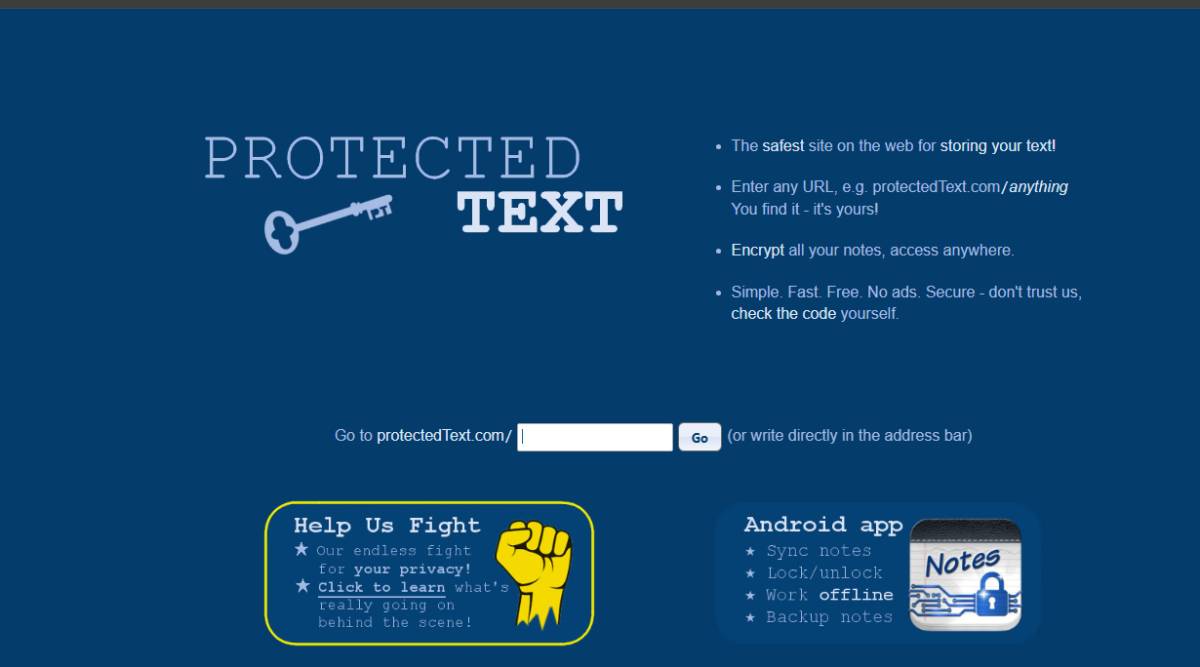
ProtectedText is gaining attention as organizations and individuals increasingly seek lightweight, browser-based tools for secure text storage without requiring user accounts. The platform highlights the growing market demand for privacy-focused digital productivity solutions, particularly as businesses strengthen data protection strategies and users become more conscious of online security risks.
ProtectedText provides a web-based service that allows users to create password-protected text notes accessible from any browser. Unlike traditional cloud note-taking platforms, it emphasizes simplicity by eliminating mandatory registration while enabling encrypted access to stored content.
The platform addresses use cases ranging from temporary collaboration and secure note sharing to personal information management. As enterprises and remote teams increasingly exchange sensitive information online, demand for lightweight, encrypted collaboration tools continues to expand. The broader trend reflects a shift toward privacy-first software that minimizes user friction while maintaining essential security protections.
The rapid expansion of cloud computing and remote work has significantly increased reliance on browser-based productivity applications. Alongside this growth, organizations have become more focused on safeguarding confidential information against cyber threats, unauthorized access, and data breaches.
Privacy regulations such as the General Data Protection Regulation (GDPR) and similar frameworks worldwide have encouraged technology providers to improve transparency and strengthen data protection measures. Consequently, demand has risen for applications that collect minimal personal information while delivering secure digital experiences.
ProtectedText represents part of a broader movement toward lightweight Software-as-a-Service (SaaS) solutions that prioritize accessibility, encryption, and ease of use. Rather than replacing enterprise document management systems, such platforms complement existing workflows by providing quick, secure methods for temporary collaboration and confidential note sharing across distributed teams.
Cybersecurity professionals consistently emphasize that encryption is only one component of comprehensive information security. Organizations must also implement strong password management, user authentication, and secure operational practices to reduce the risk of unauthorized access.
Industry analysts note that demand for privacy-centric productivity software is increasing as businesses balance employee convenience with regulatory compliance. Browser-based encrypted note services offer practical solutions for sharing sensitive information without requiring extensive infrastructure or account administration.
Technology experts also point out that organizations should carefully evaluate how cloud-based note platforms handle encryption, storage practices, and data retention policies before integrating them into enterprise workflows. Transparent security models and user education remain essential factors in building long-term trust within digital collaboration ecosystems.
For businesses, privacy-focused note-sharing platforms provide efficient collaboration options while supporting broader cybersecurity objectives. Companies increasingly recognize that protecting sensitive information enhances customer trust, regulatory compliance, and operational resilience.
Software vendors may continue investing in encryption technologies, zero-knowledge architectures, and privacy-by-design principles to differentiate their offerings in an increasingly competitive SaaS market. Policymakers and regulators are also expected to maintain strong emphasis on data protection standards, encouraging organizations to adopt secure digital collaboration practices that minimize unnecessary collection and storage of personal information.
Demand for secure, browser-based productivity tools is expected to grow as remote work, digital collaboration, and privacy regulations continue evolving. Decision-makers should monitor advances in encryption, authentication technologies, and compliance requirements when selecting collaboration platforms. Organizations that successfully balance usability with strong security protections will be better positioned to meet the expectations of both users and regulators.
Source: AlternativeTo
Date: July 21, 2026


