



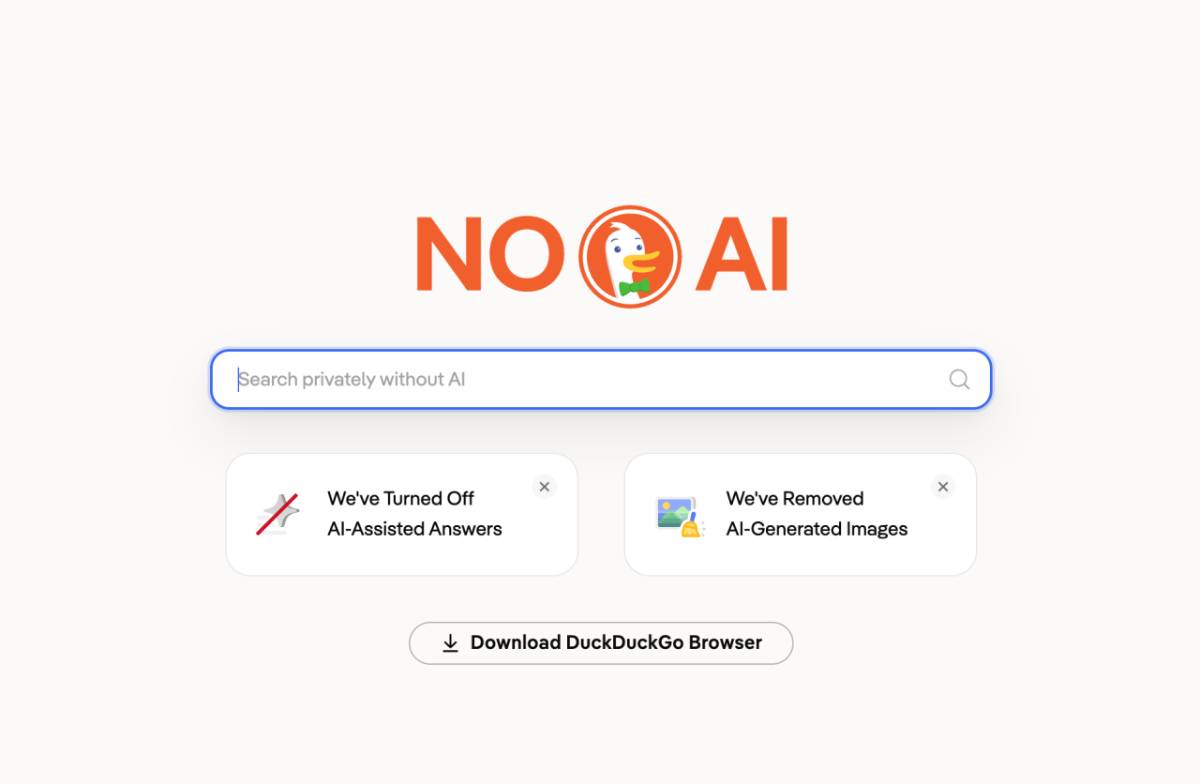
User frustration with AI-integrated search experiences is reshaping the digital search landscape, as privacy-focused platform DuckDuckGo reportedly records a 30% surge in installations. The trend highlights growing resistance to AI-driven personalization models, signaling a shift in consumer expectations around transparency, control, and data privacy in search ecosystems.
Installations of DuckDuckGo have reportedly increased by approximately 30%, driven by user dissatisfaction with AI-heavy search experiences being introduced across mainstream platforms.
The surge is linked to growing concerns over how major search engines integrate generative AI features into search results, often prioritizing AI-generated summaries and curated responses. Users are increasingly expressing concerns about reduced control over search visibility and perceived algorithmic bias.
The development signals intensifying competition in the search engine market, where privacy, transparency, and user autonomy are becoming key differentiators alongside traditional factors such as speed, accuracy, and advertising integration.
The rise of DuckDuckGo reflects a broader shift in digital consumer behavior, where privacy concerns and algorithmic transparency are increasingly influencing platform choice. Over the past decade, concerns around data collection, targeted advertising, and personalized content manipulation have steadily reshaped user expectations in online search and information discovery.
The introduction of generative AI into mainstream search engines has accelerated this debate. While AI-enhanced search tools promise faster answers and contextual summaries, they also raise questions about source attribution, editorial neutrality, and the concentration of informational control within large technology platforms.
This trend emerges alongside growing regulatory scrutiny of Big Tech companies, particularly regarding data usage, competition practices, and AI governance. As digital ecosystems evolve, users are increasingly evaluating not only the quality of search results but also the transparency and ethical frameworks behind them.
Industry analysts suggest the growth in installations of DuckDuckGo indicates a rising segment of users actively seeking alternatives to AI-integrated mainstream search platforms.
Experts note that while generative AI improves convenience and synthesis of information, it may also reduce user agency by limiting visibility into original sources and editorial diversity. Analysts argue that privacy-centric platforms are benefiting from a “trust premium” as digital users become more sensitive to data usage and algorithmic influence.
Technology observers also highlight that search behavior is becoming increasingly fragmented, with users adopting multiple platforms depending on context—ranging from traditional search engines to AI chat interfaces and niche privacy tools.
Some experts caution, however, that scaling privacy-first platforms remains challenging due to advertising revenue constraints and competition with dominant ecosystems controlled by large technology companies.
For digital businesses, the growth of privacy-focused platforms like DuckDuckGo signals a need to reassess user trust strategies and transparency in AI deployment. Companies heavily reliant on search-driven traffic may face shifting user acquisition dynamics.
For advertisers and investors, fragmentation in search behavior could reshape digital marketing strategies, requiring diversification beyond traditional search engine optimization and paid search ecosystems.
From a policy perspective, rising user resistance to AI-driven search may accelerate regulatory discussions around algorithmic transparency, data collection practices, and competition in digital markets. Governments may also face increasing pressure to ensure that users retain meaningful choice in how information is curated and presented online.
Looking ahead, the search engine market is likely to become more fragmented as users balance convenience-driven AI tools with privacy-focused alternatives. Decision-makers should monitor adoption trends, regulatory developments, and monetization models within both mainstream and alternative search ecosystems. As AI becomes more deeply embedded in information discovery, the competitive landscape will increasingly depend on trust, transparency, and user control rather than functionality alone.
Source: TechCrunch
Date: May 27, 2026


