
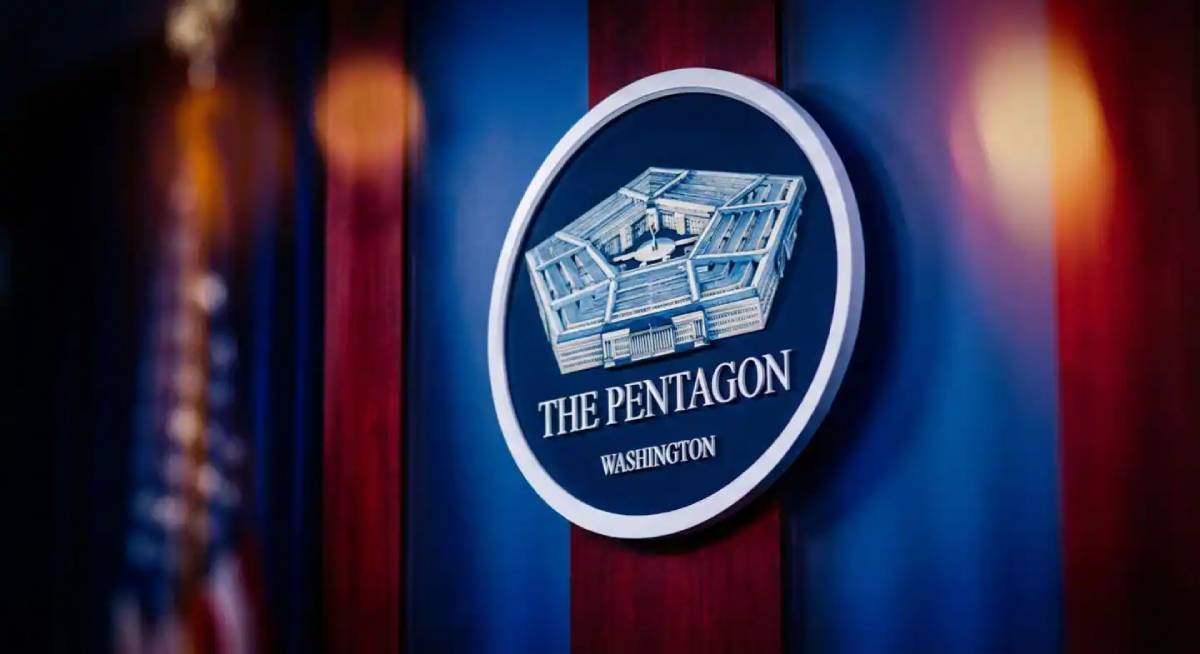
Pentagon Seeks $54B for AI Warfare Push

The Pentagon’s proposed budget emphasizes AI integration across defense systems, including autonomous weapons, intelligence analysis, and battlefield decision-making tools.

July 29, 2026
|

The United States Department of Defense has proposed a $54 billion budget allocation aimed at advancing artificial intelligence–enabled military capabilities, underscoring a strategic shift in modern warfare. The move signals heightened geopolitical competition and carries significant implications for defense contractors, global security frameworks, and technology policy.

The Pentagon’s proposed budget emphasizes AI integration across defense systems, including autonomous weapons, intelligence analysis, and battlefield decision-making tools. The $54 billion request forms part of a broader defense spending plan currently under review by United States Congress.

Key stakeholders include military leadership, defense technology firms, and allied governments. The funding is expected to accelerate development timelines for next-generation warfare systems while strengthening cyber and data capabilities.

The proposal reflects growing urgency within U.S. defense circles to maintain technological superiority amid intensifying competition with global rivals, particularly in areas such as autonomous systems, surveillance, and advanced computing.

The Pentagon’s push toward AI-driven warfare aligns with a global trend in which nations are rapidly integrating artificial intelligence into military strategy. Countries including China and Russia have also prioritized AI investments in defense, contributing to a new phase of technological competition.

Historically, military innovation has been a catalyst for broader technological advancement, from the internet to GPS. Today, AI is emerging as the next frontier, with applications spanning predictive analytics, logistics optimization, and autonomous operations.

The development aligns with a broader trend across global markets where defense spending is increasingly tied to digital transformation. Governments are not only investing in hardware but also in data ecosystems and algorithmic capabilities, reflecting the evolving nature of warfare in the 21st century.

Defense analysts view the Pentagon’s proposal as a calculated move to secure long-term strategic advantage in an era defined by algorithmic warfare. Experts suggest that AI will play a central role in enhancing situational awareness, reducing decision-making latency, and enabling more precise operations.

Policy specialists, however, caution that rapid militarization of AI raises ethical and regulatory concerns, particularly around autonomous weapons and accountability frameworks. They emphasize the need for international norms to govern the deployment of such technologies.

Industry leaders in defense technology are expected to play a pivotal role in executing these initiatives, with partnerships between government and private sector firms becoming increasingly critical. Analysts broadly agree that while AI offers transformative potential, its integration into military systems must be carefully managed to mitigate risks.

For businesses, particularly defense contractors and technology firms, the proposed budget represents significant opportunities for growth and innovation. Companies specializing in AI, cybersecurity, and data analytics are likely to see increased demand and investment.

For policymakers, the initiative underscores the need to balance national security priorities with ethical considerations and international stability. Regulatory frameworks may need to evolve to address the complexities of AI in military applications.

Investors are likely to monitor defense sector dynamics closely, as increased spending could drive market activity. However, geopolitical tensions and policy uncertainties may also introduce volatility into global markets.

The approval and implementation of the Pentagon’s budget will be closely watched in the coming months. Decision-makers will need to assess not only funding levels but also governance mechanisms for AI deployment in defense. As global competition intensifies, the trajectory of AI in warfare will shape both security strategies and technological innovation worldwide.

Source: The Guardian
Date: April 22, 2026

  • Featured tools
Wonder AI
Free

Wonder AI is a versatile AI-powered creative platform that generates text, images, and audio with minimal input, designed for fast storytelling, visual creation, and audio content generation

#
Art Generator
Learn more
Hostinger Website Builder
Paid

Hostinger Website Builder is a drag-and-drop website creator bundled with hosting and AI-powered tools, designed for businesses, blogs and small shops with minimal technical effort.It makes launching a site fast and affordable, with templates, responsive design and built-in hosting all in one.

#
Productivity
#
Startup Tools
#
Ecommerce
Learn more

Learn more about future of AI

Join 80,000+ Ai enthusiast getting weekly updates on exciting AI tools.
Thank you! Your submission has been received!
Oops! Something went wrong while submitting the form.

Pentagon Seeks $54B for AI Warfare Push

July 29, 2026

The Pentagon’s proposed budget emphasizes AI integration across defense systems, including autonomous weapons, intelligence analysis, and battlefield decision-making tools.

The United States Department of Defense has proposed a $54 billion budget allocation aimed at advancing artificial intelligence–enabled military capabilities, underscoring a strategic shift in modern warfare. The move signals heightened geopolitical competition and carries significant implications for defense contractors, global security frameworks, and technology policy.

The Pentagon’s proposed budget emphasizes AI integration across defense systems, including autonomous weapons, intelligence analysis, and battlefield decision-making tools. The $54 billion request forms part of a broader defense spending plan currently under review by United States Congress.

Key stakeholders include military leadership, defense technology firms, and allied governments. The funding is expected to accelerate development timelines for next-generation warfare systems while strengthening cyber and data capabilities.

The proposal reflects growing urgency within U.S. defense circles to maintain technological superiority amid intensifying competition with global rivals, particularly in areas such as autonomous systems, surveillance, and advanced computing.

The Pentagon’s push toward AI-driven warfare aligns with a global trend in which nations are rapidly integrating artificial intelligence into military strategy. Countries including China and Russia have also prioritized AI investments in defense, contributing to a new phase of technological competition.

Historically, military innovation has been a catalyst for broader technological advancement, from the internet to GPS. Today, AI is emerging as the next frontier, with applications spanning predictive analytics, logistics optimization, and autonomous operations.

The development aligns with a broader trend across global markets where defense spending is increasingly tied to digital transformation. Governments are not only investing in hardware but also in data ecosystems and algorithmic capabilities, reflecting the evolving nature of warfare in the 21st century.

Defense analysts view the Pentagon’s proposal as a calculated move to secure long-term strategic advantage in an era defined by algorithmic warfare. Experts suggest that AI will play a central role in enhancing situational awareness, reducing decision-making latency, and enabling more precise operations.

Policy specialists, however, caution that rapid militarization of AI raises ethical and regulatory concerns, particularly around autonomous weapons and accountability frameworks. They emphasize the need for international norms to govern the deployment of such technologies.

Industry leaders in defense technology are expected to play a pivotal role in executing these initiatives, with partnerships between government and private sector firms becoming increasingly critical. Analysts broadly agree that while AI offers transformative potential, its integration into military systems must be carefully managed to mitigate risks.

For businesses, particularly defense contractors and technology firms, the proposed budget represents significant opportunities for growth and innovation. Companies specializing in AI, cybersecurity, and data analytics are likely to see increased demand and investment.

For policymakers, the initiative underscores the need to balance national security priorities with ethical considerations and international stability. Regulatory frameworks may need to evolve to address the complexities of AI in military applications.

Investors are likely to monitor defense sector dynamics closely, as increased spending could drive market activity. However, geopolitical tensions and policy uncertainties may also introduce volatility into global markets.

The approval and implementation of the Pentagon’s budget will be closely watched in the coming months. Decision-makers will need to assess not only funding levels but also governance mechanisms for AI deployment in defense. As global competition intensifies, the trajectory of AI in warfare will shape both security strategies and technological innovation worldwide.

Source: The Guardian
Date: April 22, 2026

Promote Your Tool

Copy Embed Code

Similar Blogs

July 29, 2026
|

EmulationStation Enhances Retro Gaming Experience

EmulationStation is a front-end interface designed to organize and present video game emulation libraries through a streamlined user experience.
Read more
July 29, 2026
|

Tomoson Expands Influencer Marketing Collaboration

Tomoson operates as an influencer marketing platform designed to help brands collaborate with content creators and manage promotional campaigns.
Read more
July 29, 2026
|

ZeroBin.net Advances Secure Data Sharing

ZeroBin.net operates as a privacy-oriented platform that allows users to share encrypted information through temporary digital channels.
Read more
July 29, 2026
|

Gaia Expands Digital Knowledge Access

Gaia operates within the broader category of digital platforms focused on information discovery, organization, and knowledge accessibility.
Read more
July 29, 2026
|

MailDrop Expands Privacy Email Solutions

MailDrop operates as a temporary email service designed to help users create disposable email addresses for online registrations and digital interactions.
Read more
July 29, 2026
|

MacX YouTube Downloader Enhances Video Management

MacX YouTube Downloader is a multimedia software solution designed to support video downloading, conversion, and management from online platforms.
Read more