
Pentagon AI Warfare Debate Intensifies Globally

The Trump administration has intensified efforts to deploy AI across military operations, with Defense Secretary Pete Hegseth positioning artificial intelligence as a strategic priority for maintaining U.S. military superiority.

July 29, 2026
|
Image Source: Associated Press

The United States is accelerating the integration of artificial intelligence into military operations, signalling a major shift in the future of warfare. However, as the Pentagon pushes for faster battlefield AI adoption, senior military leaders, technology firms, and policy experts are raising concerns over human oversight, accountability, and the risks of autonomous combat systems. The debate carries significant implications for defense contractors, global security frameworks, and the future of military technology governance.

The Trump administration has intensified efforts to deploy AI across military operations, with Defense Secretary Pete Hegseth positioning artificial intelligence as a strategic priority for maintaining U.S. military superiority. The Pentagon has expanded partnerships with major technology firms, including OpenAI, Google, Microsoft, Amazon Web Services, Nvidia, and SpaceX, to integrate AI into classified defense systems.

At the same time, senior military officials have urged caution. Adm. Frank Bradley, head of U.S. Special Operations Command, warned that while AI could eventually assist with target selection and operational decisions, human commanders must retain confidence and control over the use of force.

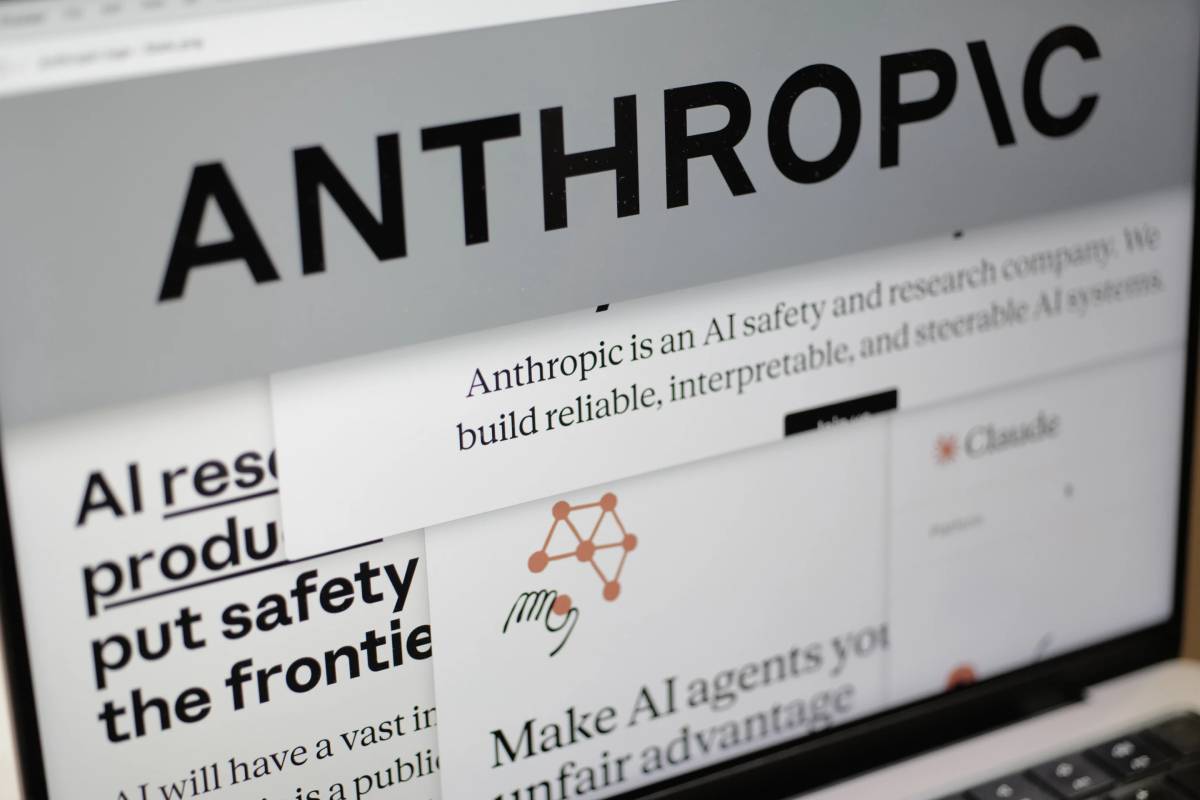
The debate has also exposed tensions between Washington and AI developers such as Anthropic, which has resisted certain military applications over ethical concerns surrounding autonomous weapons and surveillance capabilities.

The development reflects a broader global race to integrate artificial intelligence into national defense strategies. Over the past decade, AI has evolved from a support tool for intelligence analysis into a technology capable of assisting with battlefield surveillance, logistics, predictive maintenance, drone operations, and targeting decisions.

The Pentagon’s AI ambitions trace back to initiatives such as Project Maven, which sought to automate drone imagery analysis. Since then, military planners have increasingly viewed AI as a force multiplier capable of accelerating decision-making and reducing operational costs. However, the rapid evolution of generative AI and autonomous systems has intensified concerns about reliability, escalation risks, and legal accountability.

The debate is unfolding amid rising geopolitical competition with China and growing concerns that military AI could become a defining strategic advantage in future conflicts. International discussions on regulating autonomous weapons have largely stalled, leaving governments to establish their own policies and ethical frameworks.

Military leaders increasingly appear divided between accelerating deployment and preserving human control. Adm. Bradley has publicly stressed that AI should enhance, rather than replace, human judgment in combat operations. Similar concerns have emerged from other defense officials who support AI for intelligence processing and operational efficiency but remain cautious about delegating lethal decisions to algorithms.

Analysts argue that the challenge extends beyond technology performance. Experts at Georgetown University’s Center for Security and Emerging Technology note that AI offers substantial advantages in data processing, battlefield awareness, and logistics, yet raises fundamental questions about accountability when systems make errors in high-stakes environments.

Academic researchers have also highlighted the concept of “decision sovereignty,” warning that governments could become strategically dependent on private AI suppliers if safeguards and oversight structures are not clearly defined. Recent studies further suggest that public support for military AI remains conditional, with the strongest opposition focused on fully autonomous lethal systems.

For defense contractors and technology companies, the Pentagon’s AI expansion represents one of the largest emerging markets in advanced computing and software infrastructure. Companies capable of delivering secure, scalable AI systems could gain access to multibillion-dollar defense opportunities.

At the policy level, the debate is likely to accelerate calls for clearer regulations governing autonomous weapons, human oversight requirements, procurement standards, and AI accountability frameworks. Investors and corporate leaders will also be closely monitoring how governments balance innovation with risk management as military demand increasingly shapes the next phase of AI development.

For global executives, the outcome could influence not only defense spending but also broader AI governance standards across civilian industries. The next phase of the debate will focus on how quickly the Pentagon moves from AI-assisted decision support to more autonomous battlefield capabilities. Policymakers, defense leaders, and technology firms are expected to face growing pressure to establish clear guardrails before deployment expands further.

Decision-makers should watch for new procurement rules, international regulatory discussions, and evolving partnerships between governments and frontier AI companies. The central question remains unresolved: how much battlefield authority should artificial intelligence ultimately possess?

Source: Associated Press (AP)
Date:
May 31, 2026

  • Featured tools
Symphony Ayasdi AI
Free

SymphonyAI Sensa is an AI-powered surveillance and financial crime detection platform that surfaces hidden risk behavior through explainable, AI-driven analytics.

#
Finance
Learn more
Copy Ai
Free

Copy AI is one of the most popular AI writing tools designed to help professionals create high-quality content quickly. Whether you are a product manager drafting feature descriptions or a marketer creating ad copy, Copy AI can save hours of work while maintaining creativity and tone.

#
Copywriting
Learn more

Learn more about future of AI

Join 80,000+ Ai enthusiast getting weekly updates on exciting AI tools.
Thank you! Your submission has been received!
Oops! Something went wrong while submitting the form.

Pentagon AI Warfare Debate Intensifies Globally

July 29, 2026

The Trump administration has intensified efforts to deploy AI across military operations, with Defense Secretary Pete Hegseth positioning artificial intelligence as a strategic priority for maintaining U.S. military superiority.

Image Source: Associated Press

The United States is accelerating the integration of artificial intelligence into military operations, signalling a major shift in the future of warfare. However, as the Pentagon pushes for faster battlefield AI adoption, senior military leaders, technology firms, and policy experts are raising concerns over human oversight, accountability, and the risks of autonomous combat systems. The debate carries significant implications for defense contractors, global security frameworks, and the future of military technology governance.

The Trump administration has intensified efforts to deploy AI across military operations, with Defense Secretary Pete Hegseth positioning artificial intelligence as a strategic priority for maintaining U.S. military superiority. The Pentagon has expanded partnerships with major technology firms, including OpenAI, Google, Microsoft, Amazon Web Services, Nvidia, and SpaceX, to integrate AI into classified defense systems.

At the same time, senior military officials have urged caution. Adm. Frank Bradley, head of U.S. Special Operations Command, warned that while AI could eventually assist with target selection and operational decisions, human commanders must retain confidence and control over the use of force.

The debate has also exposed tensions between Washington and AI developers such as Anthropic, which has resisted certain military applications over ethical concerns surrounding autonomous weapons and surveillance capabilities.

The development reflects a broader global race to integrate artificial intelligence into national defense strategies. Over the past decade, AI has evolved from a support tool for intelligence analysis into a technology capable of assisting with battlefield surveillance, logistics, predictive maintenance, drone operations, and targeting decisions.

The Pentagon’s AI ambitions trace back to initiatives such as Project Maven, which sought to automate drone imagery analysis. Since then, military planners have increasingly viewed AI as a force multiplier capable of accelerating decision-making and reducing operational costs. However, the rapid evolution of generative AI and autonomous systems has intensified concerns about reliability, escalation risks, and legal accountability.

The debate is unfolding amid rising geopolitical competition with China and growing concerns that military AI could become a defining strategic advantage in future conflicts. International discussions on regulating autonomous weapons have largely stalled, leaving governments to establish their own policies and ethical frameworks.

Military leaders increasingly appear divided between accelerating deployment and preserving human control. Adm. Bradley has publicly stressed that AI should enhance, rather than replace, human judgment in combat operations. Similar concerns have emerged from other defense officials who support AI for intelligence processing and operational efficiency but remain cautious about delegating lethal decisions to algorithms.

Analysts argue that the challenge extends beyond technology performance. Experts at Georgetown University’s Center for Security and Emerging Technology note that AI offers substantial advantages in data processing, battlefield awareness, and logistics, yet raises fundamental questions about accountability when systems make errors in high-stakes environments.

Academic researchers have also highlighted the concept of “decision sovereignty,” warning that governments could become strategically dependent on private AI suppliers if safeguards and oversight structures are not clearly defined. Recent studies further suggest that public support for military AI remains conditional, with the strongest opposition focused on fully autonomous lethal systems.

For defense contractors and technology companies, the Pentagon’s AI expansion represents one of the largest emerging markets in advanced computing and software infrastructure. Companies capable of delivering secure, scalable AI systems could gain access to multibillion-dollar defense opportunities.

At the policy level, the debate is likely to accelerate calls for clearer regulations governing autonomous weapons, human oversight requirements, procurement standards, and AI accountability frameworks. Investors and corporate leaders will also be closely monitoring how governments balance innovation with risk management as military demand increasingly shapes the next phase of AI development.

For global executives, the outcome could influence not only defense spending but also broader AI governance standards across civilian industries. The next phase of the debate will focus on how quickly the Pentagon moves from AI-assisted decision support to more autonomous battlefield capabilities. Policymakers, defense leaders, and technology firms are expected to face growing pressure to establish clear guardrails before deployment expands further.

Decision-makers should watch for new procurement rules, international regulatory discussions, and evolving partnerships between governments and frontier AI companies. The central question remains unresolved: how much battlefield authority should artificial intelligence ultimately possess?

Source: Associated Press (AP)
Date:
May 31, 2026

Promote Your Tool

Copy Embed Code

Similar Blogs

July 29, 2026
|

EmulationStation Enhances Retro Gaming Experience

EmulationStation is a front-end interface designed to organize and present video game emulation libraries through a streamlined user experience.
Read more
July 29, 2026
|

Tomoson Expands Influencer Marketing Collaboration

Tomoson operates as an influencer marketing platform designed to help brands collaborate with content creators and manage promotional campaigns.
Read more
July 29, 2026
|

ZeroBin.net Advances Secure Data Sharing

ZeroBin.net operates as a privacy-oriented platform that allows users to share encrypted information through temporary digital channels.
Read more
July 29, 2026
|

Gaia Expands Digital Knowledge Access

Gaia operates within the broader category of digital platforms focused on information discovery, organization, and knowledge accessibility.
Read more
July 29, 2026
|

MailDrop Expands Privacy Email Solutions

MailDrop operates as a temporary email service designed to help users create disposable email addresses for online registrations and digital interactions.
Read more
July 29, 2026
|

MacX YouTube Downloader Enhances Video Management

MacX YouTube Downloader is a multimedia software solution designed to support video downloading, conversion, and management from online platforms.
Read more