



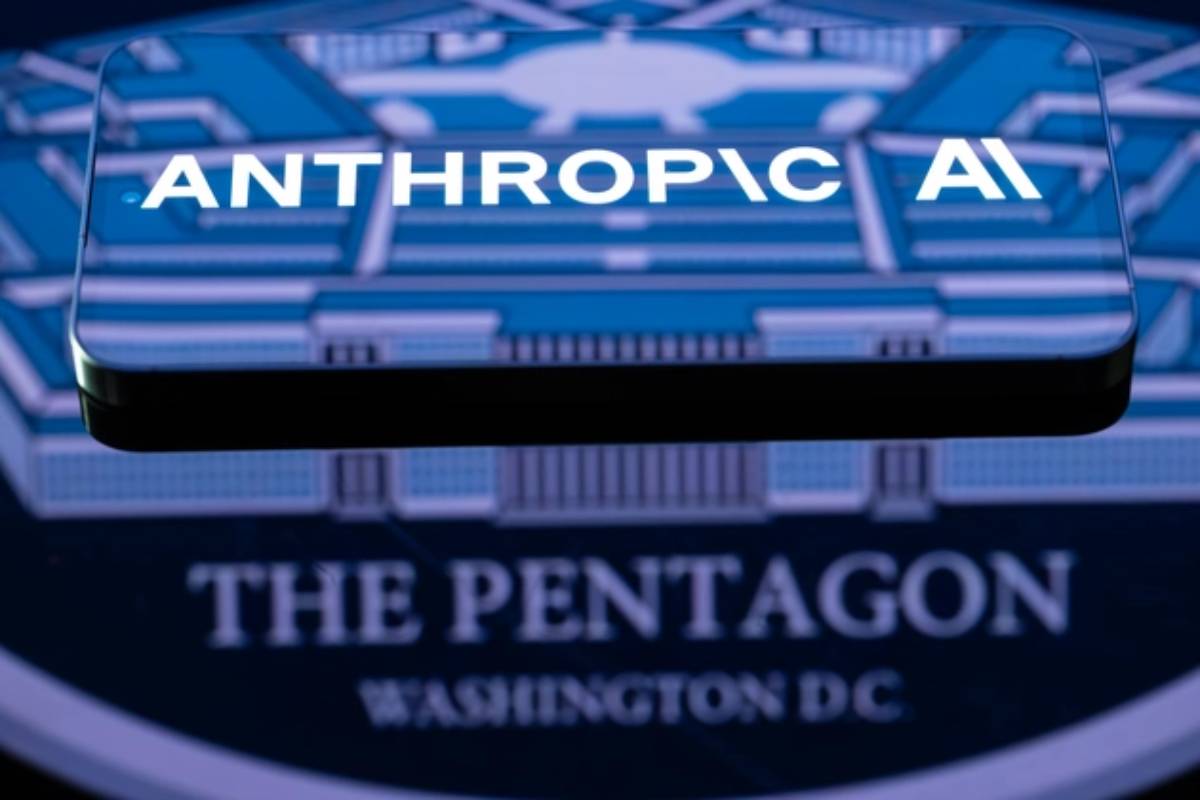
A new Pentagon-led AI task force is rapidly deploying advanced artificial intelligence tools across some of America’s most sensitive military and intelligence networks, signalling a major strategic escalation in the global cyber and defense race. The initiative underscores Washington’s growing urgency to strengthen national security infrastructure against increasingly sophisticated digital threats from rival states and cyber actors.
The newly formed task force, reportedly involving the U.S. National Security Agency and Cyber Command, is focused on integrating cutting-edge AI systems into classified defense and intelligence operations. The effort is designed to improve cyber defense, threat detection, operational speed and data analysis capabilities across highly sensitive government environments.
According to reports, the initiative linked to a project known as “Mythos” aims to fast-track deployment timelines as geopolitical tensions and cyber risks intensify globally. Officials are said to be exploring how generative AI and autonomous systems can support military planning, intelligence gathering and cybersecurity operations without compromising classified information.
The development reflects broader competition among global powers to secure technological dominance in AI-enabled defense infrastructure. Artificial intelligence has rapidly emerged as a defining element of modern military strategy, with governments worldwide investing heavily in autonomous systems, predictive analytics and AI-driven cyber operations. The United States, China and Russia have increasingly treated AI as a critical national security priority, particularly as cyberattacks become more sophisticated and state-sponsored digital operations expand.
The Pentagon has already accelerated investments in machine learning, autonomous drones and battlefield intelligence systems over the past several years. However, deploying advanced AI into highly classified networks presents major technical and security challenges, particularly around data leakage, model reliability and adversarial manipulation.
The latest initiative comes amid growing concerns that adversaries could exploit generative AI for cyber warfare, disinformation campaigns and infrastructure attacks. Intelligence agencies have warned that future conflicts may rely heavily on AI-powered systems capable of operating at machine speed.
The push also aligns with broader government efforts to reduce dependence on legacy defense infrastructure while modernizing digital capabilities across federal agencies and military commands.
Cybersecurity analysts say the Pentagon’s accelerated AI strategy reflects mounting pressure to modernize national defense systems before geopolitical rivals gain a technological edge. Experts argue that AI’s ability to process vast volumes of intelligence data in real time could significantly improve cyber resilience and operational decision-making.
Defense specialists note that AI deployment within classified environments is fundamentally different from commercial AI adoption because security requirements are substantially higher. Analysts warn that sensitive military systems cannot tolerate hallucinations, unreliable outputs or external vulnerabilities commonly associated with large language models.
Industry observers also point to increasing collaboration between Silicon Valley and the defense establishment. Technology firms developing advanced AI infrastructure are becoming critical partners for governments seeking secure cloud computing, data analytics and cyber defense capabilities.
At the same time, policy experts caution that military AI expansion may intensify international concerns around autonomous weapons, digital escalation risks and global AI governance. Several researchers argue that governments will need stronger oversight frameworks to ensure military AI systems remain accountable and secure.
For defense contractors, cloud providers and cybersecurity firms, the Pentagon’s AI expansion could unlock significant commercial opportunities tied to secure infrastructure, classified computing and defense modernization programs. Companies specializing in AI security, sovereign cloud systems and encrypted data environments may see increased demand from government agencies worldwide.
Investors are also closely monitoring the convergence of AI and defense technology, particularly as geopolitical tensions drive higher spending on cyber resilience and military modernization.
From a policy perspective, the initiative may accelerate debate around AI governance in national security operations. Governments could face growing pressure to establish safeguards around autonomous decision-making, classified AI training environments and cyber escalation protocols.
For global enterprises operating in sensitive industries such as finance, telecommunications and energy, the Pentagon’s move reinforces the expectation that cybersecurity strategies will increasingly rely on AI-enabled threat detection and automated defense systems.
The Pentagon’s AI task force is expected to expand rapidly as Washington deepens investment in next-generation cyber defense and intelligence systems. Decision-makers will be watching how effectively AI can be integrated into classified networks without introducing new vulnerabilities or operational risks.
The broader geopolitical implications will also remain under scrutiny as rival nations intensify their own military AI programs. In the coming years, leadership in secure AI infrastructure may become as strategically important as traditional military capabilities.
Source: Politico
Date: May 20, 2026


