
OpenAI Wins Legal Battle Clears IPO Path

The court decision reportedly sided with OpenAI in its ongoing legal confrontation with Elon Musk, resolving key disputes tied to the company’s structure and mission direction.

May 19, 2026
|
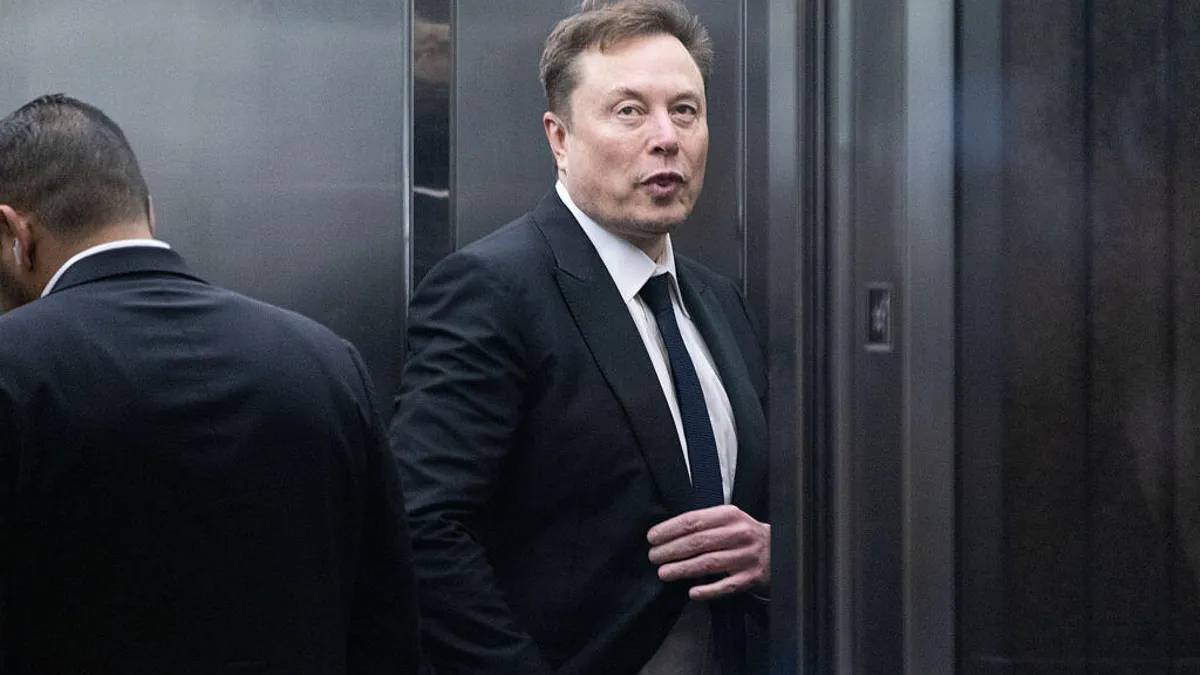
Image Source: CNET

A legal ruling in favor of OpenAI and CEO Sam Altman in a dispute involving Elon Musk marks a pivotal moment for the AI company’s corporate trajectory. The outcome removes a significant legal overhang and strengthens speculation around a future IPO, with implications for AI governance, investor sentiment, and the broader technology sector.

The court decision reportedly sided with OpenAI in its ongoing legal confrontation with Elon Musk, resolving key disputes tied to the company’s structure and mission direction. The ruling is seen as reducing legal uncertainty that had shadowed the firm’s long-term governance model.

Major stakeholders include OpenAI leadership under Sam Altman, Elon Musk as a former co-founder and critic, and institutional partners aligned with OpenAI’s commercial expansion. The timing is critical, as AI companies continue to attract record investment inflows. Market observers interpret the decision as strengthening OpenAI’s position ahead of potential capital market activity, including a possible IPO roadmap.

The dispute between OpenAI and Elon Musk reflects deeper tensions in the AI sector regarding commercialization versus open research governance. OpenAI was originally founded as a nonprofit-oriented research lab, but has since evolved into a hybrid capped-profit structure to attract large-scale investment and compute resources.

This evolution has triggered debate among founders, regulators, and industry stakeholders about whether advanced AI systems should prioritize public interest safeguards or aggressive commercialization.

The case also unfolds against a broader backdrop of rapid AI sector consolidation, where firms such as OpenAI, Google DeepMind, and Anthropic are competing for compute infrastructure, enterprise adoption, and regulatory positioning.

Legal clarity in such high-profile disputes is increasingly viewed as a prerequisite for public-market readiness, especially as investors demand stronger governance frameworks before large-scale IPOs in frontier AI companies.

Legal analysts suggest that the ruling removes a structural uncertainty that had weighed on OpenAI’s strategic planning. By resolving governance-related disputes, the company gains greater flexibility in aligning its corporate structure with long-term capital market expectations.

Industry experts note that IPO readiness in the AI sector depends heavily on resolving founder conflicts, clarifying intellectual property control, and demonstrating regulatory resilience.

Technology market commentators argue that investor appetite for AI firms remains strong, but governance risk is becoming a key valuation factor. Any legal ambiguity involving founding figures is seen as a discounting factor in potential IPO pricing.

While official statements from involved parties emphasize operational continuity and mission alignment, analysts interpret the outcome as a strategic green light for accelerated commercialization planning.

For the AI industry, the ruling reinforces the importance of governance clarity as firms transition from private innovation labs to public market entities. Investors are likely to reassess risk profiles across competing AI platforms based on legal stability and leadership cohesion.

For businesses, a potential OpenAI IPO could reshape enterprise AI pricing dynamics and accelerate competition in foundation model deployment. Regulators may also intensify scrutiny of AI governance structures, particularly around nonprofit-to-profit transitions and market concentration. Analysts warn that the outcome could set precedent for how foundational AI companies balance mission-driven narratives with shareholder accountability in public markets.

Attention now shifts to OpenAI’s potential IPO timeline and how the company structures its governance framework ahead of public listing. Market participants will watch for regulatory filings, capital strategy announcements, and further clarification of investor rights. Uncertainty remains around valuation benchmarks and competitive responses from rival AI firms, making the next phase critical for the global AI investment landscape.

Source: CNET
Date: 19 May 2026

  • Featured tools
Tome AI
Free

Tome AI is an AI-powered storytelling and presentation tool designed to help users create compelling narratives and presentations quickly and efficiently. It leverages advanced AI technologies to generate content, images, and animations based on user input.

#
Presentation
#
Startup Tools
Learn more
Murf Ai
Free

Murf AI Review – Advanced AI Voice Generator for Realistic Voiceovers

#
Text to Speech
Learn more

Learn more about future of AI

Join 80,000+ Ai enthusiast getting weekly updates on exciting AI tools.
Thank you! Your submission has been received!
Oops! Something went wrong while submitting the form.

OpenAI Wins Legal Battle Clears IPO Path

May 19, 2026

The court decision reportedly sided with OpenAI in its ongoing legal confrontation with Elon Musk, resolving key disputes tied to the company’s structure and mission direction.

Image Source: CNET

A legal ruling in favor of OpenAI and CEO Sam Altman in a dispute involving Elon Musk marks a pivotal moment for the AI company’s corporate trajectory. The outcome removes a significant legal overhang and strengthens speculation around a future IPO, with implications for AI governance, investor sentiment, and the broader technology sector.

The court decision reportedly sided with OpenAI in its ongoing legal confrontation with Elon Musk, resolving key disputes tied to the company’s structure and mission direction. The ruling is seen as reducing legal uncertainty that had shadowed the firm’s long-term governance model.

Major stakeholders include OpenAI leadership under Sam Altman, Elon Musk as a former co-founder and critic, and institutional partners aligned with OpenAI’s commercial expansion. The timing is critical, as AI companies continue to attract record investment inflows. Market observers interpret the decision as strengthening OpenAI’s position ahead of potential capital market activity, including a possible IPO roadmap.

The dispute between OpenAI and Elon Musk reflects deeper tensions in the AI sector regarding commercialization versus open research governance. OpenAI was originally founded as a nonprofit-oriented research lab, but has since evolved into a hybrid capped-profit structure to attract large-scale investment and compute resources.

This evolution has triggered debate among founders, regulators, and industry stakeholders about whether advanced AI systems should prioritize public interest safeguards or aggressive commercialization.

The case also unfolds against a broader backdrop of rapid AI sector consolidation, where firms such as OpenAI, Google DeepMind, and Anthropic are competing for compute infrastructure, enterprise adoption, and regulatory positioning.

Legal clarity in such high-profile disputes is increasingly viewed as a prerequisite for public-market readiness, especially as investors demand stronger governance frameworks before large-scale IPOs in frontier AI companies.

Legal analysts suggest that the ruling removes a structural uncertainty that had weighed on OpenAI’s strategic planning. By resolving governance-related disputes, the company gains greater flexibility in aligning its corporate structure with long-term capital market expectations.

Industry experts note that IPO readiness in the AI sector depends heavily on resolving founder conflicts, clarifying intellectual property control, and demonstrating regulatory resilience.

Technology market commentators argue that investor appetite for AI firms remains strong, but governance risk is becoming a key valuation factor. Any legal ambiguity involving founding figures is seen as a discounting factor in potential IPO pricing.

While official statements from involved parties emphasize operational continuity and mission alignment, analysts interpret the outcome as a strategic green light for accelerated commercialization planning.

For the AI industry, the ruling reinforces the importance of governance clarity as firms transition from private innovation labs to public market entities. Investors are likely to reassess risk profiles across competing AI platforms based on legal stability and leadership cohesion.

For businesses, a potential OpenAI IPO could reshape enterprise AI pricing dynamics and accelerate competition in foundation model deployment. Regulators may also intensify scrutiny of AI governance structures, particularly around nonprofit-to-profit transitions and market concentration. Analysts warn that the outcome could set precedent for how foundational AI companies balance mission-driven narratives with shareholder accountability in public markets.

Attention now shifts to OpenAI’s potential IPO timeline and how the company structures its governance framework ahead of public listing. Market participants will watch for regulatory filings, capital strategy announcements, and further clarification of investor rights. Uncertainty remains around valuation benchmarks and competitive responses from rival AI firms, making the next phase critical for the global AI investment landscape.

Source: CNET
Date: 19 May 2026

Promote Your Tool

Copy Embed Code

Similar Blogs

June 23, 2026
|

Sokin Secures European Payments License

Sokin has acquired Norwegian fintech firm Settle in a transaction that provides access to a valuable Electronic Money Institution (EMI) license.
Read more
June 23, 2026
|

Twin Prime Bets Defence AI

Twin Prime has secured $10 million in fresh funding to expand its defence-focused AI systems, which prioritize sensor fusion, detection, and real-time environmental interpretation over generative or chatbot-based models.
Read more
June 23, 2026
|

Northzone Backs Physical AI Shift

Northzone has appointed a new partner to lead its physical AI investment strategy, marking a deliberate shift toward embodied intelligence—systems that interact directly with physical environments.
Read more
June 23, 2026
|

Switzerland Hosts Iran US Technical Talks

The upcoming technical-level discussions between Iranian and US representatives will focus on procedural and issue-specific frameworks rather than high-level political agreements.
Read more
June 23, 2026
|

Switzerland Extends Ukrainian Protection Status

Swiss federal authorities are reviewing the possibility of extending S protection status, which grants temporary residence rights and access to essential services for Ukrainian nationals fleeing the war.
Read more
June 23, 2026
|

Swiss FM Engages Iran Diplomacy

Swiss Foreign Minister Ignazio Cassis held formal discussions with Iran’s foreign minister, focusing on bilateral relations and broader regional security dynamics.
Read more