
OpenAI Faces Strategic Uncertainty Amid Investor Leadership Concerns

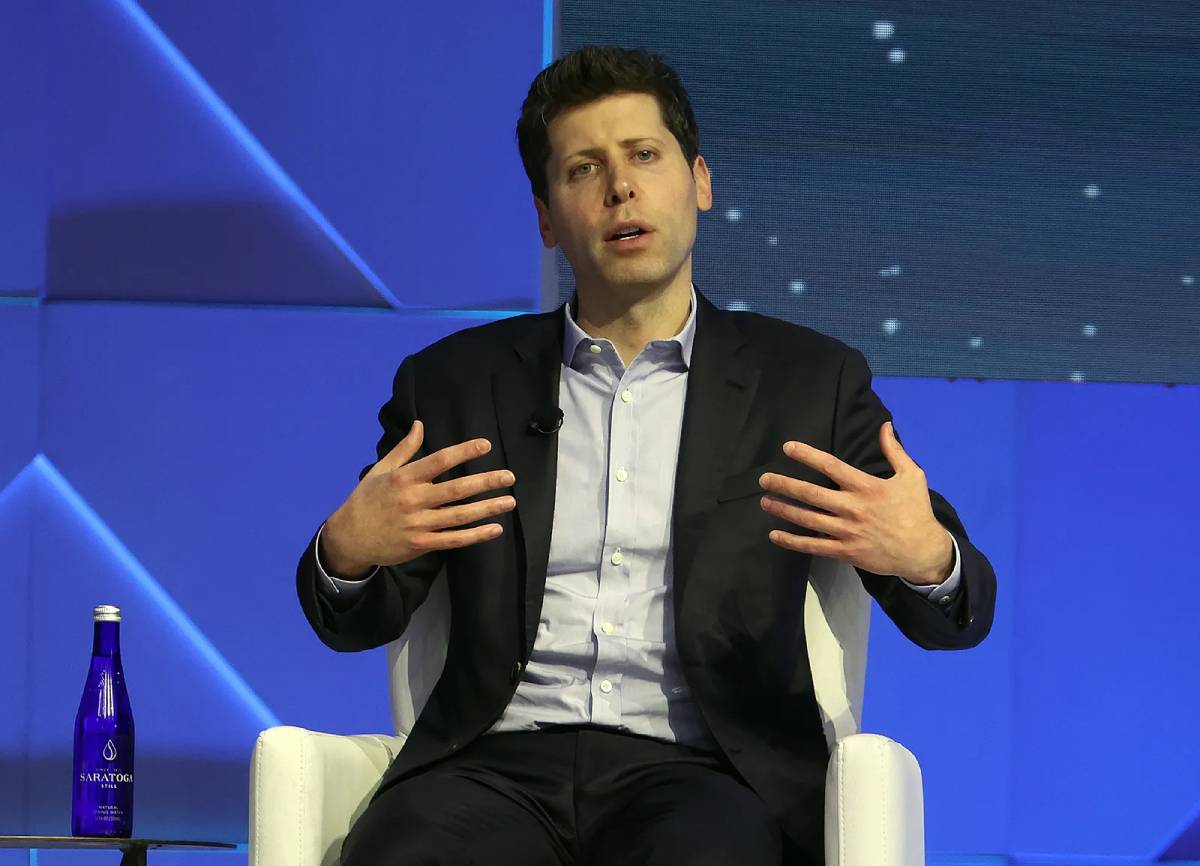
Noble, a renowned tech investor, publicly questioned CEO Sam Altman’s strategic decisions, citing risks tied to rapid scaling, competitive pressures, and operational governance.

January 23, 2026
|

A major development unfolded today as investor George Noble raised concerns over OpenAI leadership, signaling potential strategic instability within the AI powerhouse. The remarks spotlight internal governance challenges and market scrutiny, impacting investors, AI startups, and technology partners closely aligned with OpenAI’s ecosystem, while raising broader questions about leadership accountability in high-stakes AI ventures.

Noble, a renowned tech investor, publicly questioned CEO Sam Altman’s strategic decisions, citing risks tied to rapid scaling, competitive pressures, and operational governance. The comments come amid intense scrutiny of OpenAI’s funding, partnership deals, and product deployment timelines.

According to industry observers, the investor warns that leadership missteps could disrupt OpenAI’s market positioning and innovation momentum. Stakeholders including venture partners, enterprise clients, and regulatory bodies are monitoring the situation closely. Analysts note that any governance turbulence could influence AI startup valuations, strategic collaborations, and investor confidence across the broader artificial intelligence sector.

The development aligns with a broader trend where rapid AI adoption has intensified pressure on leadership accountability and corporate governance. OpenAI, a pioneer in generative AI, has experienced unprecedented growth, attracting billions in funding, high-profile collaborations, and global media attention. However, this expansion brings challenges around strategic coherence, ethical AI deployment, and internal oversight.

Historically, leadership scrutiny in high-growth tech ventures has correlated with market volatility and investor caution. OpenAI’s trajectory exemplifies the delicate balance between aggressive innovation and sustainable governance. With governments increasingly assessing AI’s societal impact and regulation, the CEO’s strategic choices influence not only corporate outcomes but also sector-wide perceptions of accountability, trust, and reliability. For AI startups and investors, OpenAI’s situation serves as a high-visibility case study in risk management and leadership resilience.

Industry analysts note that OpenAI’s current challenges underscore the importance of governance structures in scaling AI enterprises. “Leadership credibility is as critical as technical innovation in AI,” remarked a Silicon Valley AI strategist, highlighting potential consequences for funding flows and enterprise adoption.

Investor George Noble advised AI startup founders to prioritize transparent decision-making, scalable governance, and strategic alignment with stakeholders. Corporate analysts indicate that OpenAI’s strategic clarity will be closely watched by competitors, partners, and regulators alike, influencing collaboration opportunities and policy engagement.

While OpenAI has not officially responded to the remarks, observers point out that internal communications, board oversight, and public messaging will play a pivotal role in shaping market perception. This scenario signals a growing recognition in the industry that AI leadership extends beyond technology to risk management, ethical deployment, and strategic credibility.

For global executives, OpenAI’s leadership scrutiny serves as a cautionary tale: strategic misalignment can ripple across markets, partnerships, and investor sentiment. Technology companies may need to reassess AI governance frameworks and board oversight practices to avoid reputational or operational risks.

Investors may demand stricter due diligence and transparent leadership reporting in high-growth AI ventures. Regulatory agencies could also increase engagement, ensuring alignment with ethical AI deployment and accountability standards. Analysts caution that instability in a marquee AI firm could temporarily affect startup valuations, collaborative deals, and market confidence, highlighting the growing intersection of corporate governance and AI innovation at a global scale.

Decision-makers should monitor OpenAI’s internal governance actions, board communications, and strategic pivot announcements. Industry stakeholders will watch closely for signals regarding leadership stability, partnership continuity, and innovation timelines. Uncertainties remain around potential operational impacts, investor sentiment, and regulatory attention. How OpenAI navigates these challenges may set precedent for governance norms across the AI sector, influencing both market confidence and competitive positioning.

Source & Date

Source: Economic Times
Date: January 22, 2026

  • Featured tools
Upscayl AI
Free

Upscayl AI is a free, open-source AI-powered tool that enhances and upscales images to higher resolutions. It transforms blurry or low-quality visuals into sharp, detailed versions with ease.

#
Productivity
Learn more
Kreateable AI
Free

Kreateable AI is a white-label, AI-driven design platform that enables logo generation, social media posts, ads, and more for businesses, agencies, and service providers.

#
Logo Generator
Learn more

Learn more about future of AI

Join 80,000+ Ai enthusiast getting weekly updates on exciting AI tools.
Thank you! Your submission has been received!
Oops! Something went wrong while submitting the form.

OpenAI Faces Strategic Uncertainty Amid Investor Leadership Concerns

January 23, 2026

Noble, a renowned tech investor, publicly questioned CEO Sam Altman’s strategic decisions, citing risks tied to rapid scaling, competitive pressures, and operational governance.

A major development unfolded today as investor George Noble raised concerns over OpenAI leadership, signaling potential strategic instability within the AI powerhouse. The remarks spotlight internal governance challenges and market scrutiny, impacting investors, AI startups, and technology partners closely aligned with OpenAI’s ecosystem, while raising broader questions about leadership accountability in high-stakes AI ventures.

Noble, a renowned tech investor, publicly questioned CEO Sam Altman’s strategic decisions, citing risks tied to rapid scaling, competitive pressures, and operational governance. The comments come amid intense scrutiny of OpenAI’s funding, partnership deals, and product deployment timelines.

According to industry observers, the investor warns that leadership missteps could disrupt OpenAI’s market positioning and innovation momentum. Stakeholders including venture partners, enterprise clients, and regulatory bodies are monitoring the situation closely. Analysts note that any governance turbulence could influence AI startup valuations, strategic collaborations, and investor confidence across the broader artificial intelligence sector.

The development aligns with a broader trend where rapid AI adoption has intensified pressure on leadership accountability and corporate governance. OpenAI, a pioneer in generative AI, has experienced unprecedented growth, attracting billions in funding, high-profile collaborations, and global media attention. However, this expansion brings challenges around strategic coherence, ethical AI deployment, and internal oversight.

Historically, leadership scrutiny in high-growth tech ventures has correlated with market volatility and investor caution. OpenAI’s trajectory exemplifies the delicate balance between aggressive innovation and sustainable governance. With governments increasingly assessing AI’s societal impact and regulation, the CEO’s strategic choices influence not only corporate outcomes but also sector-wide perceptions of accountability, trust, and reliability. For AI startups and investors, OpenAI’s situation serves as a high-visibility case study in risk management and leadership resilience.

Industry analysts note that OpenAI’s current challenges underscore the importance of governance structures in scaling AI enterprises. “Leadership credibility is as critical as technical innovation in AI,” remarked a Silicon Valley AI strategist, highlighting potential consequences for funding flows and enterprise adoption.

Investor George Noble advised AI startup founders to prioritize transparent decision-making, scalable governance, and strategic alignment with stakeholders. Corporate analysts indicate that OpenAI’s strategic clarity will be closely watched by competitors, partners, and regulators alike, influencing collaboration opportunities and policy engagement.

While OpenAI has not officially responded to the remarks, observers point out that internal communications, board oversight, and public messaging will play a pivotal role in shaping market perception. This scenario signals a growing recognition in the industry that AI leadership extends beyond technology to risk management, ethical deployment, and strategic credibility.

For global executives, OpenAI’s leadership scrutiny serves as a cautionary tale: strategic misalignment can ripple across markets, partnerships, and investor sentiment. Technology companies may need to reassess AI governance frameworks and board oversight practices to avoid reputational or operational risks.

Investors may demand stricter due diligence and transparent leadership reporting in high-growth AI ventures. Regulatory agencies could also increase engagement, ensuring alignment with ethical AI deployment and accountability standards. Analysts caution that instability in a marquee AI firm could temporarily affect startup valuations, collaborative deals, and market confidence, highlighting the growing intersection of corporate governance and AI innovation at a global scale.

Decision-makers should monitor OpenAI’s internal governance actions, board communications, and strategic pivot announcements. Industry stakeholders will watch closely for signals regarding leadership stability, partnership continuity, and innovation timelines. Uncertainties remain around potential operational impacts, investor sentiment, and regulatory attention. How OpenAI navigates these challenges may set precedent for governance norms across the AI sector, influencing both market confidence and competitive positioning.

Source & Date

Source: Economic Times
Date: January 22, 2026

Promote Your Tool

Copy Embed Code

Similar Blogs

January 23, 2026
|

Intel Faces AI Data Center Supply Crunch, Shares Slide 13%

Intel reported that its current production capacity is insufficient to meet skyrocketing demand from hyperscale data centers deploying AI workloads. Short-term supply constraints have affected new orders.
Read more
January 23, 2026
|

Johansson & Blanchett Support Campaign Accusing AI Firms Theft

A major development unfolded today as Scarlett Johansson and Cate Blanchett publicly endorsed a campaign alleging that AI companies are misappropriating creative content. The move highlights rising tensions.
Read more
January 23, 2026
|

OpenAI Faces Strategic Uncertainty Amid Investor Leadership Concerns

Noble, a renowned tech investor, publicly questioned CEO Sam Altman’s strategic decisions, citing risks tied to rapid scaling, competitive pressures, and operational governance.
Read more
January 23, 2026
|

Infosys Identifies Financial Services as Primary Catalyst for AI Growth

The CEO emphasized partnerships with global banks, insurers, and fintech firms to co-develop AI solutions tailored to sector-specific challenges. Investments in AI platforms, cloud integration.
Read more
January 23, 2026
|

Fossil fuels are a crutch: How AI’s unlikely winner could be renewable energy

AI applications are streamlining energy production, storage, and distribution in solar, wind, and battery systems, improving predictive maintenance and grid management. Several AI startups.
Read more
January 23, 2026
|

Apple Explores AI Pin with Cameras, Microphones, Next-Gen Wearable

Apple aims to leverage its ecosystem iOS, WatchOS, and AirPods for seamless connectivity, creating a cohesive experience across devices. Competitors in AI wearables, including Google, Meta, and emerging startups.
Read more