
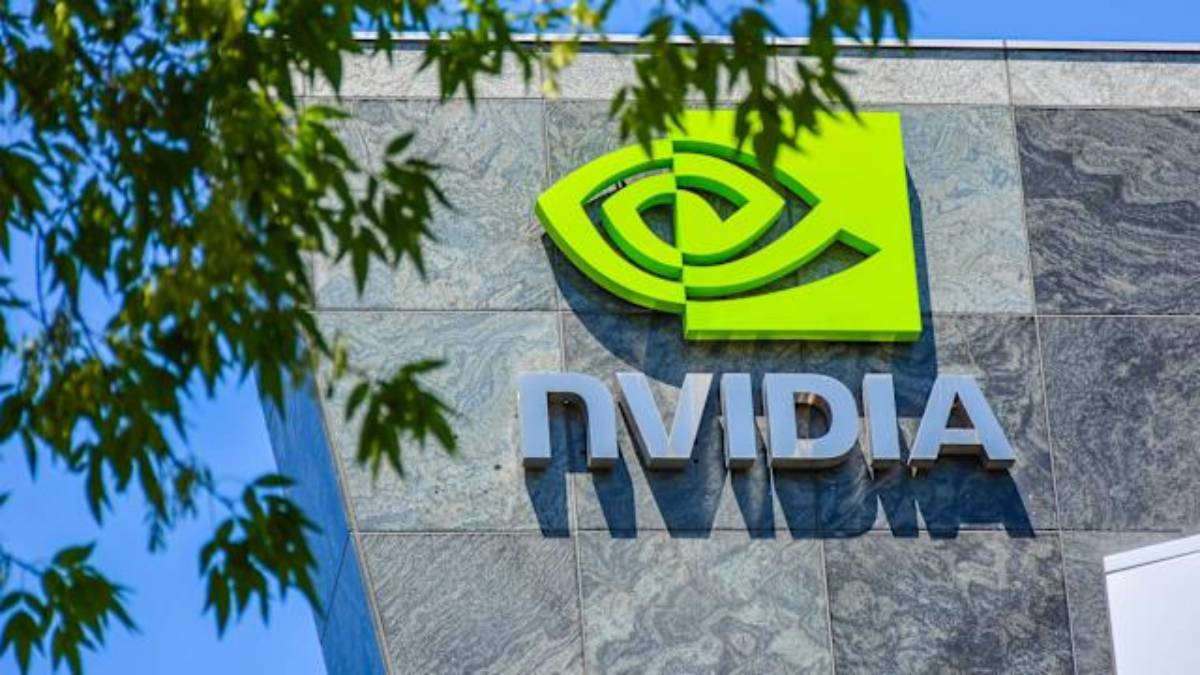
Nvidia Physical AI Push Drives Asian Rally

NVIDIA’s strategic push into physical AI focused on robotics, automation, and real-world AI applications has driven gains in shares of key Asian partners.

July 29, 2026
|

Momentum is building in global technology markets as NVIDIA expands into physical AI, triggering a rally among its Asian supply chain partners. The development highlights growing investor confidence in robotics and automation, with implications for manufacturing, semiconductor demand, and cross-border technology alliances.

NVIDIA’s strategic push into physical AI focused on robotics, automation, and real-world AI applications has driven gains in shares of key Asian partners. Companies across the semiconductor and manufacturing supply chain have benefited from expectations of increased demand for AI-enabled hardware.

The rally reflects market optimism around NVIDIA’s ecosystem expansion beyond data centers into industrial and physical environments. Suppliers in regions such as Taiwan and South Korea are among the primary beneficiaries, given their role in chip fabrication and component manufacturing.

Key stakeholders include global chipmakers, robotics firms, and industrial automation providers. The development underscores the interconnected nature of AI supply chains and their influence on regional equity markets.

The development aligns with a broader trend across global markets where artificial intelligence is moving from digital applications into physical systems, including robotics, autonomous machines, and smart manufacturing. This transition often referred to as “physical AI” represents the next phase of AI deployment.

NVIDIA has been at the forefront of AI infrastructure, with its GPUs powering data centers and generative AI models. Its expansion into physical AI builds on this foundation, leveraging hardware and software platforms to enable real-world automation.

Asian economies, particularly those with strong semiconductor and electronics manufacturing sectors, play a critical role in this ecosystem. Companies in Taiwan, South Korea, and Japan are deeply integrated into global supply chains, making them key beneficiaries of increased AI investment. Historically, shifts in semiconductor demand have had significant ripple effects across these markets.

Industry analysts suggest that NVIDIA’s move into physical AI could unlock new revenue streams beyond traditional data center applications. Experts note that robotics and automation represent a massive addressable market, particularly as industries seek to improve efficiency and reduce labor dependency.

Market strategists highlight that the rally in Asian partner stocks reflects investor expectations of sustained demand growth across the semiconductor value chain. This includes not only chipmakers but also component suppliers and manufacturing firms.

However, analysts also caution that execution risks remain, particularly in scaling physical AI applications and integrating them into existing industrial systems. Despite these challenges, the consensus is that the convergence of AI and robotics will be a key driver of long-term technological and economic transformation.

For businesses, the expansion of physical AI could accelerate adoption of automation technologies across manufacturing, logistics, and service industries. Companies may need to invest in AI-enabled systems to remain competitive in increasingly automated environments.

Investors are likely to view the trend as a growth opportunity, particularly in semiconductor and robotics sectors. Markets could see increased capital flows into companies positioned within the AI supply chain.

From a policy perspective, governments may prioritize support for domestic semiconductor and automation industries, recognizing their strategic importance. This could include incentives for research, manufacturing, and workforce development in AI-related fields.

As physical AI gains traction, attention will shift to real-world deployment and scalability across industries. Decision-makers should monitor advancements in robotics, supply chain capacity, and cross-border partnerships.

The integration of AI into physical systems could redefine industrial productivity, positioning companies and regions aligned with this trend for sustained growth in the evolving global technology landscape.

Source: Yahoo Finance
Date: May 2026

  • Featured tools
Tome AI
Free

Tome AI is an AI-powered storytelling and presentation tool designed to help users create compelling narratives and presentations quickly and efficiently. It leverages advanced AI technologies to generate content, images, and animations based on user input.

#
Presentation
#
Startup Tools
Learn more
Neuron AI
Free

Neuron AI is an AI-driven content optimization platform that helps creators produce SEO-friendly content by combining semantic SEO, competitor analysis, and AI-assisted writing workflows.

#
SEO
Learn more

Learn more about future of AI

Join 80,000+ Ai enthusiast getting weekly updates on exciting AI tools.
Thank you! Your submission has been received!
Oops! Something went wrong while submitting the form.

Nvidia Physical AI Push Drives Asian Rally

July 29, 2026

NVIDIA’s strategic push into physical AI focused on robotics, automation, and real-world AI applications has driven gains in shares of key Asian partners.

Momentum is building in global technology markets as NVIDIA expands into physical AI, triggering a rally among its Asian supply chain partners. The development highlights growing investor confidence in robotics and automation, with implications for manufacturing, semiconductor demand, and cross-border technology alliances.

NVIDIA’s strategic push into physical AI focused on robotics, automation, and real-world AI applications has driven gains in shares of key Asian partners. Companies across the semiconductor and manufacturing supply chain have benefited from expectations of increased demand for AI-enabled hardware.

The rally reflects market optimism around NVIDIA’s ecosystem expansion beyond data centers into industrial and physical environments. Suppliers in regions such as Taiwan and South Korea are among the primary beneficiaries, given their role in chip fabrication and component manufacturing.

Key stakeholders include global chipmakers, robotics firms, and industrial automation providers. The development underscores the interconnected nature of AI supply chains and their influence on regional equity markets.

The development aligns with a broader trend across global markets where artificial intelligence is moving from digital applications into physical systems, including robotics, autonomous machines, and smart manufacturing. This transition often referred to as “physical AI” represents the next phase of AI deployment.

NVIDIA has been at the forefront of AI infrastructure, with its GPUs powering data centers and generative AI models. Its expansion into physical AI builds on this foundation, leveraging hardware and software platforms to enable real-world automation.

Asian economies, particularly those with strong semiconductor and electronics manufacturing sectors, play a critical role in this ecosystem. Companies in Taiwan, South Korea, and Japan are deeply integrated into global supply chains, making them key beneficiaries of increased AI investment. Historically, shifts in semiconductor demand have had significant ripple effects across these markets.

Industry analysts suggest that NVIDIA’s move into physical AI could unlock new revenue streams beyond traditional data center applications. Experts note that robotics and automation represent a massive addressable market, particularly as industries seek to improve efficiency and reduce labor dependency.

Market strategists highlight that the rally in Asian partner stocks reflects investor expectations of sustained demand growth across the semiconductor value chain. This includes not only chipmakers but also component suppliers and manufacturing firms.

However, analysts also caution that execution risks remain, particularly in scaling physical AI applications and integrating them into existing industrial systems. Despite these challenges, the consensus is that the convergence of AI and robotics will be a key driver of long-term technological and economic transformation.

For businesses, the expansion of physical AI could accelerate adoption of automation technologies across manufacturing, logistics, and service industries. Companies may need to invest in AI-enabled systems to remain competitive in increasingly automated environments.

Investors are likely to view the trend as a growth opportunity, particularly in semiconductor and robotics sectors. Markets could see increased capital flows into companies positioned within the AI supply chain.

From a policy perspective, governments may prioritize support for domestic semiconductor and automation industries, recognizing their strategic importance. This could include incentives for research, manufacturing, and workforce development in AI-related fields.

As physical AI gains traction, attention will shift to real-world deployment and scalability across industries. Decision-makers should monitor advancements in robotics, supply chain capacity, and cross-border partnerships.

The integration of AI into physical systems could redefine industrial productivity, positioning companies and regions aligned with this trend for sustained growth in the evolving global technology landscape.

Source: Yahoo Finance
Date: May 2026

Promote Your Tool

Copy Embed Code

Similar Blogs

July 29, 2026
|

EmulationStation Enhances Retro Gaming Experience

EmulationStation is a front-end interface designed to organize and present video game emulation libraries through a streamlined user experience.
Read more
July 29, 2026
|

Tomoson Expands Influencer Marketing Collaboration

Tomoson operates as an influencer marketing platform designed to help brands collaborate with content creators and manage promotional campaigns.
Read more
July 29, 2026
|

ZeroBin.net Advances Secure Data Sharing

ZeroBin.net operates as a privacy-oriented platform that allows users to share encrypted information through temporary digital channels.
Read more
July 29, 2026
|

Gaia Expands Digital Knowledge Access

Gaia operates within the broader category of digital platforms focused on information discovery, organization, and knowledge accessibility.
Read more
July 29, 2026
|

MailDrop Expands Privacy Email Solutions

MailDrop operates as a temporary email service designed to help users create disposable email addresses for online registrations and digital interactions.
Read more
July 29, 2026
|

MacX YouTube Downloader Enhances Video Management

MacX YouTube Downloader is a multimedia software solution designed to support video downloading, conversion, and management from online platforms.
Read more