
NVIDIA LG Launch Physical AI Factory Initiative

NVIDIA and LG Group revealed a partnership focused on developing an AI factory designed to support physical AI applications, advanced mobility solutions, and enterprise-scale AI infrastructure.

June 9, 2026
|
Image Source: NVIDIA Blog

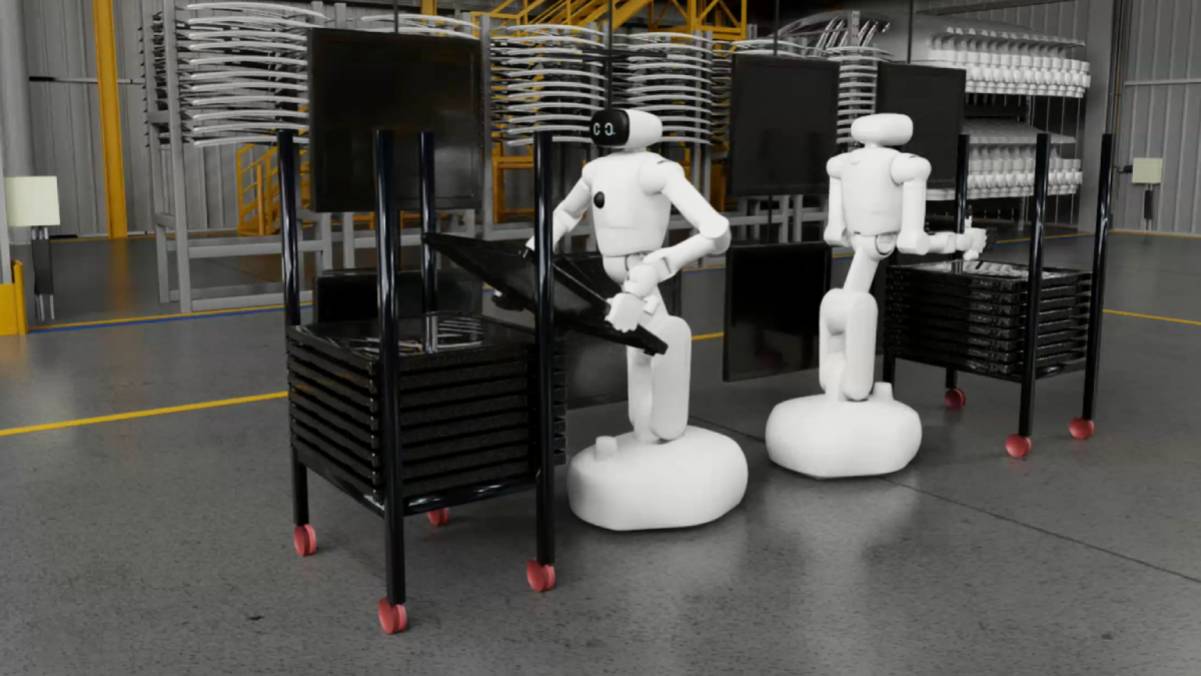
A major development unfolded as NVIDIA and LG Group announced plans to build an AI factory aimed at accelerating physical AI, intelligent mobility, and next-generation infrastructure development. The collaboration signals a strategic expansion of industrial AI capabilities and highlights growing global competition to commercialize AI-powered manufacturing and automation ecosystems.

NVIDIA and LG Group revealed a partnership focused on developing an AI factory designed to support physical AI applications, advanced mobility solutions, and enterprise-scale AI infrastructure. The initiative will leverage NVIDIA’s computing platforms and AI technologies alongside LG Group’s industrial, manufacturing, and technology capabilities.

Key stakeholders include manufacturers, automotive companies, infrastructure providers, enterprise customers, and government agencies monitoring industrial modernization efforts. The project reflects a broader trend toward integrating AI into real-world operational environments rather than limiting deployment to digital applications. The collaboration also strengthens South Korea’s position within the increasingly competitive global AI infrastructure landscape.

The announcement comes as nations and corporations race to build the infrastructure required for the next generation of artificial intelligence applications. While much of the AI boom has centered on generative models and software services, industry leaders are increasingly focused on “physical AI” systems capable of interacting with and optimizing real-world environments.

This shift includes autonomous mobility, smart factories, robotics, logistics networks, and industrial automation. AI factories are emerging as a key concept within this evolution, providing the computing power, simulation capabilities, and data processing infrastructure required to train and deploy intelligent systems at scale.

The development aligns with a broader trend across global markets where AI is moving beyond digital productivity tools and becoming embedded in critical industrial operations. As geopolitical competition intensifies around technology leadership, infrastructure investments are increasingly viewed as strategic national assets.

Industry analysts view the NVIDIA-LG partnership as part of a larger movement toward industrial-scale AI deployment. Experts note that while consumer-facing AI products have captured public attention, the most significant long-term economic value may emerge from automation, manufacturing optimization, and intelligent infrastructure systems.

Technology strategists argue that combining advanced computing platforms with industrial expertise creates a powerful framework for accelerating AI adoption in sectors traditionally slower to digitize. The collaboration is also seen as reinforcing NVIDIA’s position as a foundational supplier of AI infrastructure across multiple industries.

Market observers suggest that partnerships of this nature are becoming increasingly important as organizations seek integrated solutions that combine hardware, software, simulation tools, and deployment capabilities. Such alliances may play a critical role in determining which regions emerge as leaders in industrial AI development.

For businesses, the initiative highlights the growing importance of AI infrastructure as a competitive differentiator. Manufacturers, logistics providers, and mobility companies may face increasing pressure to modernize operations through AI-driven automation and intelligent systems.

Investors are likely to view the partnership as evidence that industrial AI remains a major growth opportunity beyond consumer applications. The collaboration could also stimulate demand for advanced semiconductors, cloud infrastructure, robotics, and enterprise software solutions.

From a policy perspective, governments may intensify efforts to support domestic AI infrastructure development and workforce modernization initiatives. The project underscores how AI competitiveness is increasingly tied to industrial capacity, supply chains, and technological sovereignty.

The next phase will focus on implementation, deployment, and commercialization of AI-powered industrial systems. Decision-makers will be watching how effectively the partnership translates infrastructure investment into measurable productivity gains and new business opportunities. The broader question remains whether physical AI can deliver the transformative economic impact many industry leaders anticipate as global competition for AI leadership continues to accelerate.

Source: NVIDIA Blog
Date:
9 June 2026

  • Featured tools
Surfer AI
Free

Surfer AI is an AI-powered content creation assistant built into the Surfer SEO platform, designed to generate SEO-optimized articles from prompts, leveraging data from search results to inform tone, structure, and relevance.

#
SEO
Learn more
Scalenut AI
Free

Scalenut AI is an all-in-one SEO content platform that combines AI-driven writing, keyword research, competitor insights, and optimization tools to help you plan, create, and rank content.

#
SEO
Learn more

Learn more about future of AI

Join 80,000+ Ai enthusiast getting weekly updates on exciting AI tools.
Thank you! Your submission has been received!
Oops! Something went wrong while submitting the form.

NVIDIA LG Launch Physical AI Factory Initiative

June 9, 2026

NVIDIA and LG Group revealed a partnership focused on developing an AI factory designed to support physical AI applications, advanced mobility solutions, and enterprise-scale AI infrastructure.

Image Source: NVIDIA Blog

A major development unfolded as NVIDIA and LG Group announced plans to build an AI factory aimed at accelerating physical AI, intelligent mobility, and next-generation infrastructure development. The collaboration signals a strategic expansion of industrial AI capabilities and highlights growing global competition to commercialize AI-powered manufacturing and automation ecosystems.

NVIDIA and LG Group revealed a partnership focused on developing an AI factory designed to support physical AI applications, advanced mobility solutions, and enterprise-scale AI infrastructure. The initiative will leverage NVIDIA’s computing platforms and AI technologies alongside LG Group’s industrial, manufacturing, and technology capabilities.

Key stakeholders include manufacturers, automotive companies, infrastructure providers, enterprise customers, and government agencies monitoring industrial modernization efforts. The project reflects a broader trend toward integrating AI into real-world operational environments rather than limiting deployment to digital applications. The collaboration also strengthens South Korea’s position within the increasingly competitive global AI infrastructure landscape.

The announcement comes as nations and corporations race to build the infrastructure required for the next generation of artificial intelligence applications. While much of the AI boom has centered on generative models and software services, industry leaders are increasingly focused on “physical AI” systems capable of interacting with and optimizing real-world environments.

This shift includes autonomous mobility, smart factories, robotics, logistics networks, and industrial automation. AI factories are emerging as a key concept within this evolution, providing the computing power, simulation capabilities, and data processing infrastructure required to train and deploy intelligent systems at scale.

The development aligns with a broader trend across global markets where AI is moving beyond digital productivity tools and becoming embedded in critical industrial operations. As geopolitical competition intensifies around technology leadership, infrastructure investments are increasingly viewed as strategic national assets.

Industry analysts view the NVIDIA-LG partnership as part of a larger movement toward industrial-scale AI deployment. Experts note that while consumer-facing AI products have captured public attention, the most significant long-term economic value may emerge from automation, manufacturing optimization, and intelligent infrastructure systems.

Technology strategists argue that combining advanced computing platforms with industrial expertise creates a powerful framework for accelerating AI adoption in sectors traditionally slower to digitize. The collaboration is also seen as reinforcing NVIDIA’s position as a foundational supplier of AI infrastructure across multiple industries.

Market observers suggest that partnerships of this nature are becoming increasingly important as organizations seek integrated solutions that combine hardware, software, simulation tools, and deployment capabilities. Such alliances may play a critical role in determining which regions emerge as leaders in industrial AI development.

For businesses, the initiative highlights the growing importance of AI infrastructure as a competitive differentiator. Manufacturers, logistics providers, and mobility companies may face increasing pressure to modernize operations through AI-driven automation and intelligent systems.

Investors are likely to view the partnership as evidence that industrial AI remains a major growth opportunity beyond consumer applications. The collaboration could also stimulate demand for advanced semiconductors, cloud infrastructure, robotics, and enterprise software solutions.

From a policy perspective, governments may intensify efforts to support domestic AI infrastructure development and workforce modernization initiatives. The project underscores how AI competitiveness is increasingly tied to industrial capacity, supply chains, and technological sovereignty.

The next phase will focus on implementation, deployment, and commercialization of AI-powered industrial systems. Decision-makers will be watching how effectively the partnership translates infrastructure investment into measurable productivity gains and new business opportunities. The broader question remains whether physical AI can deliver the transformative economic impact many industry leaders anticipate as global competition for AI leadership continues to accelerate.

Source: NVIDIA Blog
Date:
9 June 2026

Promote Your Tool

Copy Embed Code

Similar Blogs

June 19, 2026
|

Apple iPhone Camera Controls Expand AI

The report outlines how users can modify or disable AI-assisted camera functions on Apple iPhone devices, particularly features that influence image processing and computational enhancements.
Read more
June 19, 2026
|

Samsung Expands Galaxy AI Controls Push

The guide details how users can adjust or disable AI-driven features on Samsung Galaxy smartphones, including tools integrated into Samsung Galaxy smartphones.
Read more
June 19, 2026
|

Google Expands Smart Home Ecosystem

The latest compilation of Google voice commands focuses on how users can interact with Google Assistant and connected smart home systems. Commands span entertainment, home automation, productivity, navigation.
Read more
June 19, 2026
|

AI Dating Apps Face User Backlash

Survey data indicates that while adoption of AI-based dating assistants and companion tools is increasing, user sentiment is becoming increasingly polarized.
Read more
June 19, 2026
|

Apple Signals Price Hikes Amid Cost Pressures

Apple CEO Tim Cook indicated that escalating costs tied to components such as memory, advanced processors, and logistics are becoming structurally embedded across the company’s manufacturing pipeline.
Read more
June 19, 2026
|

Adobe Embeds AI Assistants Across Tools

Adobe is positioning these assistants as task-oriented agents capable of handling repetitive editing workflows such as object removal.
Read more