
Nvidia Launches AI-Native PCs Frontier

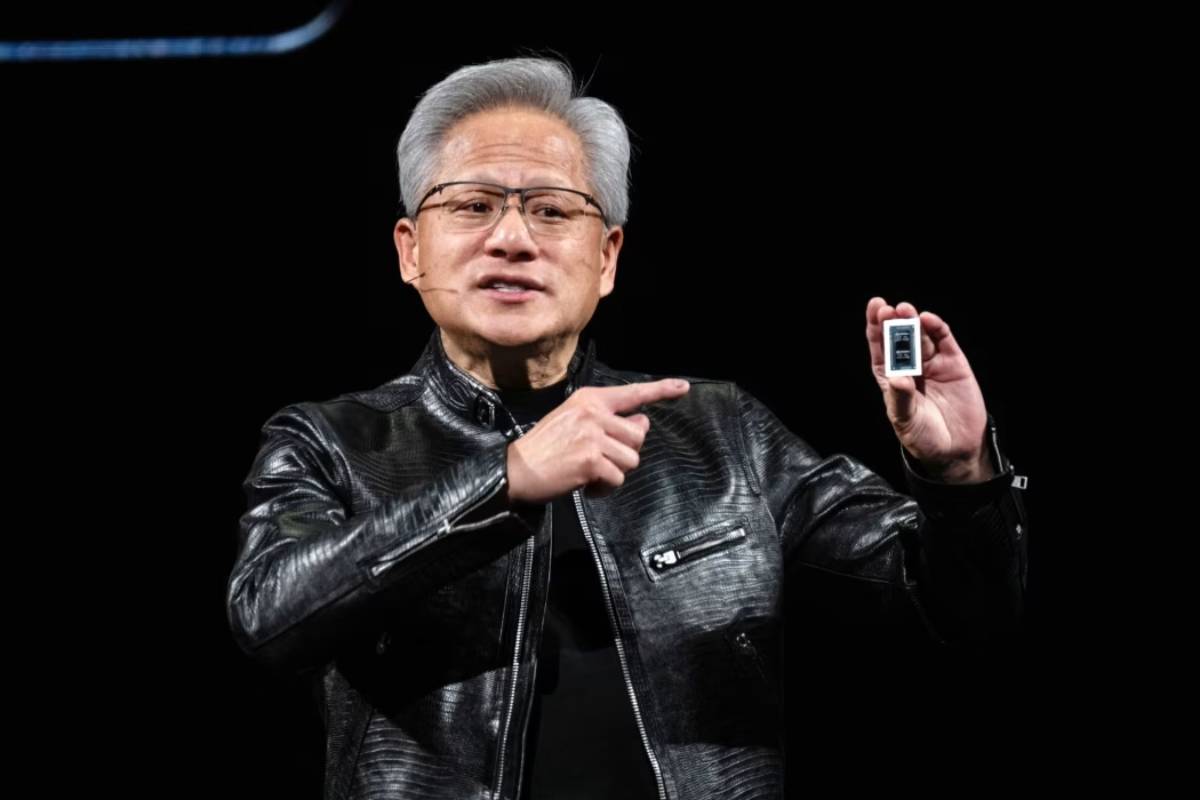
Nvidia unveiled a new category of AI-native PCs powered by its latest RTX technology, positioning the devices as platforms capable of running sophisticated AI agents locally rather than relying entirely on cloud-based processing.

June 2, 2026
|
Image Source: The Wall Street Journal

A major development in the artificial intelligence industry unfolded as Nvidia introduced its first generation of AI-focused personal computers designed to run advanced AI agents directly on devices. The launch marks a strategic shift in computing, potentially reducing reliance on cloud infrastructure while accelerating enterprise AI adoption, with significant implications for technology companies, businesses, and global digital competitiveness.

Nvidia unveiled a new category of AI-native PCs powered by its latest RTX technology, positioning the devices as platforms capable of running sophisticated AI agents locally rather than relying entirely on cloud-based processing.

The company showcased systems including the RTX Spark platform, designed to enable users and enterprises to deploy AI assistants, automation tools, and generative AI applications directly on personal devices. Nvidia executives emphasized that the machines can handle complex AI workloads while maintaining faster response times and improved privacy protections.

The launch comes amid intensifying competition among semiconductor manufacturers, cloud providers, and PC makers seeking to capitalize on surging demand for AI-enabled computing. Industry stakeholders view the move as part of a broader effort to establish AI agents as a mainstream productivity tool across businesses and consumer markets.

The announcement aligns with a broader trend across global technology markets where artificial intelligence is increasingly moving from centralized cloud environments to edge and endpoint devices.

Over the past two years, AI adoption has been driven largely by cloud-based large language models operated through data centers. However, rising computational costs, privacy concerns, network latency challenges, and growing demand for real-time processing have encouraged technology firms to explore local AI execution.

Nvidia has emerged as the dominant supplier of AI chips powering data centers worldwide, benefiting from explosive demand generated by generative AI platforms. The company’s expansion into AI-native personal computing reflects its strategy to extend leadership beyond cloud infrastructure and into enterprise desktops, laptops, and professional workstations.

The move also comes as governments worldwide prioritize AI sovereignty and domestic computing capabilities. Nations across North America, Europe, and Asia are investing heavily in AI infrastructure to reduce dependence on foreign technology ecosystems, creating favorable conditions for localized AI hardware solutions.

Historically, major computing shifts from personal computers to smartphones and cloud services have redefined market leaders. Nvidia is positioning AI agents as the next transformative platform in that evolution.

Industry analysts view Nvidia’s latest announcement as an important milestone in the commercialization of AI agents. Market observers argue that running AI models locally could significantly improve security, privacy, and operational efficiency for enterprises handling sensitive data.

Nvidia executives have framed the devices as a foundation for a future where AI agents become digital coworkers capable of performing research, workflow automation, coding assistance, customer support, and decision-support functions. The company believes enterprises will increasingly require dedicated hardware optimized for these workloads.

Technology strategists note that the success of AI PCs will depend on software ecosystem development, model optimization, and enterprise integration. While hardware capabilities have advanced rapidly, organizations still require practical business applications that deliver measurable productivity gains.

Some analysts also view the launch as a competitive challenge to traditional PC manufacturers and cloud-centric AI providers. If local AI processing becomes widely adopted, businesses may shift portions of their AI spending away from cloud subscriptions toward high-performance endpoint devices.

For global executives, Nvidia’s AI-PC strategy could redefine workplace technology investments. Organizations may increasingly evaluate whether AI tasks should be processed locally, in the cloud, or through hybrid architectures.

Investors are likely to monitor opportunities across semiconductors, enterprise software, device manufacturing, cybersecurity, and AI infrastructure. The launch may also stimulate demand for upgraded computing hardware as companies prepare for AI-driven workflows.

For consumers, AI-native PCs could offer faster and more personalized digital experiences while enhancing privacy through on-device processing. Meanwhile, policymakers may see the technology as supporting national AI resilience and reducing dependence on foreign cloud infrastructure.

Companies that adapt early to AI-agent workflows could gain productivity advantages as intelligent automation becomes more deeply embedded across industries. The next phase of competition will focus on software ecosystems, enterprise adoption rates, and the real-world effectiveness of AI agents operating on local devices. Decision-makers should watch for partnerships between Nvidia, PC manufacturers, and software developers as the market evolves.

The broader question remains whether AI-native PCs will become a mainstream computing category or remain a specialized enterprise tool. Either way, Nvidia’s latest move signals that the race to define the future of AI computing is entering a new phase.

Source: The Wall Street Journal
Date: June 2, 2026

  • Featured tools
Alli AI
Free

Alli AI is an all-in-one, AI-powered SEO automation platform that streamlines on-page optimization, site auditing, speed improvements, schema generation, internal linking, and ranking insights.

#
SEO
Learn more
Scalenut AI
Free

Scalenut AI is an all-in-one SEO content platform that combines AI-driven writing, keyword research, competitor insights, and optimization tools to help you plan, create, and rank content.

#
SEO
Learn more

Learn more about future of AI

Join 80,000+ Ai enthusiast getting weekly updates on exciting AI tools.
Thank you! Your submission has been received!
Oops! Something went wrong while submitting the form.

Nvidia Launches AI-Native PCs Frontier

June 2, 2026

Nvidia unveiled a new category of AI-native PCs powered by its latest RTX technology, positioning the devices as platforms capable of running sophisticated AI agents locally rather than relying entirely on cloud-based processing.

Image Source: The Wall Street Journal

A major development in the artificial intelligence industry unfolded as Nvidia introduced its first generation of AI-focused personal computers designed to run advanced AI agents directly on devices. The launch marks a strategic shift in computing, potentially reducing reliance on cloud infrastructure while accelerating enterprise AI adoption, with significant implications for technology companies, businesses, and global digital competitiveness.

Nvidia unveiled a new category of AI-native PCs powered by its latest RTX technology, positioning the devices as platforms capable of running sophisticated AI agents locally rather than relying entirely on cloud-based processing.

The company showcased systems including the RTX Spark platform, designed to enable users and enterprises to deploy AI assistants, automation tools, and generative AI applications directly on personal devices. Nvidia executives emphasized that the machines can handle complex AI workloads while maintaining faster response times and improved privacy protections.

The launch comes amid intensifying competition among semiconductor manufacturers, cloud providers, and PC makers seeking to capitalize on surging demand for AI-enabled computing. Industry stakeholders view the move as part of a broader effort to establish AI agents as a mainstream productivity tool across businesses and consumer markets.

The announcement aligns with a broader trend across global technology markets where artificial intelligence is increasingly moving from centralized cloud environments to edge and endpoint devices.

Over the past two years, AI adoption has been driven largely by cloud-based large language models operated through data centers. However, rising computational costs, privacy concerns, network latency challenges, and growing demand for real-time processing have encouraged technology firms to explore local AI execution.

Nvidia has emerged as the dominant supplier of AI chips powering data centers worldwide, benefiting from explosive demand generated by generative AI platforms. The company’s expansion into AI-native personal computing reflects its strategy to extend leadership beyond cloud infrastructure and into enterprise desktops, laptops, and professional workstations.

The move also comes as governments worldwide prioritize AI sovereignty and domestic computing capabilities. Nations across North America, Europe, and Asia are investing heavily in AI infrastructure to reduce dependence on foreign technology ecosystems, creating favorable conditions for localized AI hardware solutions.

Historically, major computing shifts from personal computers to smartphones and cloud services have redefined market leaders. Nvidia is positioning AI agents as the next transformative platform in that evolution.

Industry analysts view Nvidia’s latest announcement as an important milestone in the commercialization of AI agents. Market observers argue that running AI models locally could significantly improve security, privacy, and operational efficiency for enterprises handling sensitive data.

Nvidia executives have framed the devices as a foundation for a future where AI agents become digital coworkers capable of performing research, workflow automation, coding assistance, customer support, and decision-support functions. The company believes enterprises will increasingly require dedicated hardware optimized for these workloads.

Technology strategists note that the success of AI PCs will depend on software ecosystem development, model optimization, and enterprise integration. While hardware capabilities have advanced rapidly, organizations still require practical business applications that deliver measurable productivity gains.

Some analysts also view the launch as a competitive challenge to traditional PC manufacturers and cloud-centric AI providers. If local AI processing becomes widely adopted, businesses may shift portions of their AI spending away from cloud subscriptions toward high-performance endpoint devices.

For global executives, Nvidia’s AI-PC strategy could redefine workplace technology investments. Organizations may increasingly evaluate whether AI tasks should be processed locally, in the cloud, or through hybrid architectures.

Investors are likely to monitor opportunities across semiconductors, enterprise software, device manufacturing, cybersecurity, and AI infrastructure. The launch may also stimulate demand for upgraded computing hardware as companies prepare for AI-driven workflows.

For consumers, AI-native PCs could offer faster and more personalized digital experiences while enhancing privacy through on-device processing. Meanwhile, policymakers may see the technology as supporting national AI resilience and reducing dependence on foreign cloud infrastructure.

Companies that adapt early to AI-agent workflows could gain productivity advantages as intelligent automation becomes more deeply embedded across industries. The next phase of competition will focus on software ecosystems, enterprise adoption rates, and the real-world effectiveness of AI agents operating on local devices. Decision-makers should watch for partnerships between Nvidia, PC manufacturers, and software developers as the market evolves.

The broader question remains whether AI-native PCs will become a mainstream computing category or remain a specialized enterprise tool. Either way, Nvidia’s latest move signals that the race to define the future of AI computing is entering a new phase.

Source: The Wall Street Journal
Date: June 2, 2026

Promote Your Tool

Copy Embed Code

Similar Blogs

June 22, 2026
|

Switzerland Tests Digital Sovereignty Limits

The analysis examines Switzerland’s dependence on major global technology providers across cloud computing, productivity software, search infrastructure, and digital communications.
Read more
June 22, 2026
|

Switzerland Faces Larger Emissions Gap

The report indicates that Switzerland’s actual emissions gap defined as the difference between current emission levels and targeted climate reduction pathways may be significantly larger than previously disclosed in official assessments.
Read more
June 22, 2026
|

Switzerland AI Jobs Surge Amid Digital Demand

A new labor market analysis indicates a record level of AI-related job postings and employment growth in Switzerland. Demand spans roles in machine learning engineering, data science.
Read more
June 22, 2026
|

Global Leaders Scrutinize AI Risks

The Geneva counter-summit brought together policymakers, academics, and technology governance experts to evaluate the risks associated with rapidly advancing artificial intelligence systems.
Read more
June 22, 2026
|

AI Reliability Crisis Deepens Amid Errors

The KPMG report, intended to analyze the benefits and risks of artificial intelligence adoption, reportedly included factual inconsistencies attributed to AI-generated content.
Read more
June 22, 2026
|

Skene Raises €800K for Agents

Skene has raised €800,000 in pre-seed funding to advance its AI-driven “code-reading agents” designed to help software products automatically teach users how to use them.
Read more